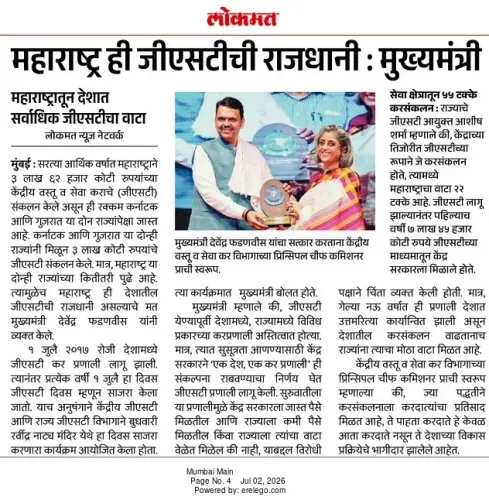
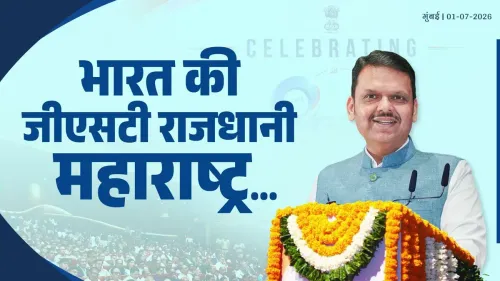
CM Fadnavis calls Maharashtra 'GST Capital of India'
Synopsis
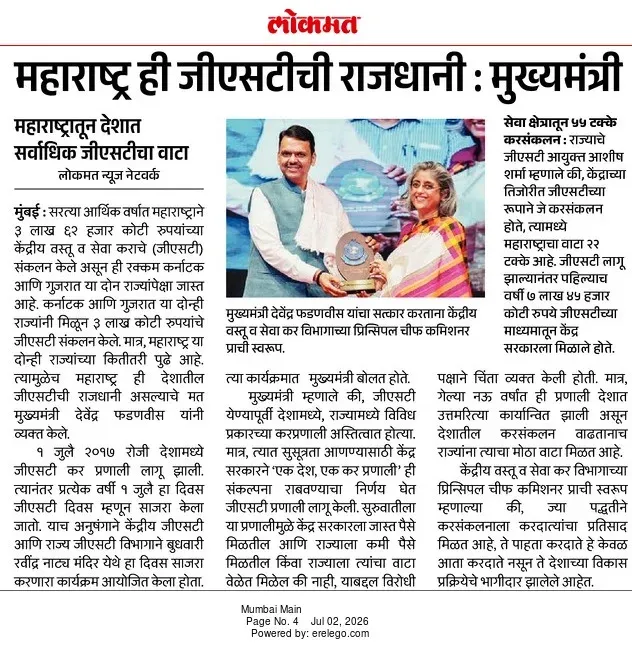
Chief Minister Devendra Fadnavis declared Maharashtra the 'GST capital of India' on GST Day 2026, underscoring the state's position as the country's top contributor to indirect tax collections since the unified tax regime launched in 2017.
Key Takeaways
The Chief Minister's Office of Maharashtra shared a statement by CM Devendra Fadnavis on 2 July 2026 calling Maharashtra the 'GST capital of India.' GST Day is observed on 1 July each year, marking the launch of the Goods and Services Tax on 1 July 2017 .
Maharashtra has consistently ranked among the top two or three states in monthly national GST collections since 2017.
The state's dominance is driven by Mumbai 's role as the financial capital and the state's large manufacturing, services, and trading base.
The claim reflects competitive federalism, with high-revenue states using collection data to assert influence in GST Council deliberations on revenue-sharing formulas.
The next GST Council meeting and state budget statements will be key moments to watch for Maharashtra's formal policy positions on tax-sharing.
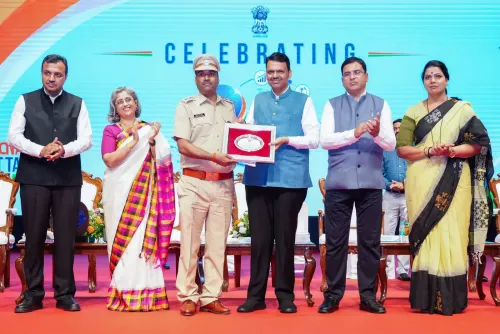
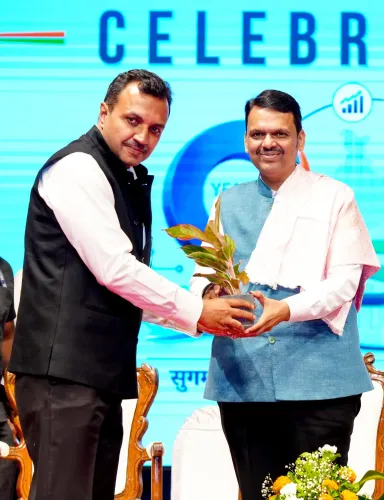
The Chief Minister's Office of Maharashtra on Thursday, 2 July 2026 shared a statement by Chief Minister Devendra Fadnavis declaring Maharashtra the 'GST capital of India,' marking the occasion of GST Day, observed annually on 1 July to commemorate the launch of the Goods and Services Tax in 2017.
Context
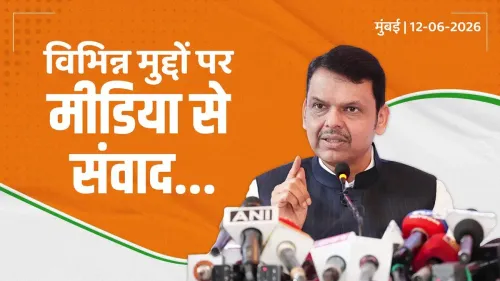
The post, shared from the official @CMOMaharashtra handle, quotes Chief Minister Devendra Fadnavis in Marathi: 'महाराष्ट्र ही जीएसटीची राजधानी' — translated as 'Maharashtra is the GST capital.' The statement was made in the context of GST Day 2026, nine years after the unified indirect tax regime came into force across India on 1 July 2017.
GST replaced a web of central and state levies — including excise duty, value-added tax, and service tax — with a single destination-based tax structure designed to unify the national market and eliminate cascading taxation.
Policy Backdrop
Maharashtra is India's most industrialised state and houses Mumbai, the country's financial capital. Since the rollout of GST in 2017, the state has consistently ranked among the top two or three contributors to monthly national GST collections, driven by its dense concentration of manufacturing units, services firms, and trading hubs.
Successive state governments have leveraged these rankings in the GST Council to assert Maharashtra's outsized contribution to the national exchequer and to influence revenue-sharing and compensation formulas. CM Fadnavis, who has served multiple terms as Chief Minister with a focus on economic development and infrastructure, has continued this tradition of highlighting the state's fiscal weight.
Stakeholders and Impact
The declaration carries significance for Maharashtra's large taxpayer base — spanning small traders, mid-size manufacturers, and large corporations — who collectively drive the state's dominant position in indirect tax collections. It also signals the state government's intent to keep Maharashtra's revenue contribution at the centre of federal tax policy conversations.
The framing of Maharashtra as the 'GST capital' reflects a pattern of competitive federalism, where high-revenue states seek greater visibility and bargaining power within the GST Council, particularly on matters such as revenue-sharing ratios and compensation for any shortfalls.
What's Next
Attention will now turn to the next GST Council meeting, where agenda items on revenue-sharing formulas and state compensation mechanisms are expected to feature prominently. Maharashtra's rhetorical claim to being the nation's GST capital is likely to inform the state's negotiating posture in those deliberations.
As GST enters its tenth year of implementation, states like Maharashtra that anchor national collections will increasingly shape the political economy of indirect taxation in India — making statements like CM Fadnavis's as much a policy signal as a celebratory one.
Point of View
Who has consistently positioned Maharashtra as an engine of national growth, the statement reinforces a governance identity built around economic output rather than welfare optics. The timing on GST Day amplifies the message to both a domestic business audience and the central government simultaneously.
NationPress
2 Jul 2026
Frequently Asked Questions
Why did CM Fadnavis call Maharashtra the GST capital of India?
CM Devendra Fadnavis made the statement on GST Day, 2 July 2026, to highlight Maharashtra's position as one of the top contributors to national Goods and Services Tax collections, a rank the state has held consistently since GST was launched in 2017.
What is GST Day and why is it celebrated on 1 July?
GST Day is observed on 1 July each year to mark the anniversary of the Goods and Services Tax coming into force across India on 1 July 2017, replacing multiple central and state levies with a single unified indirect tax.
How much does Maharashtra contribute to India's GST collections?
Maharashtra has consistently ranked among the top two or three states in monthly national GST collections, driven by Mumbai's financial hub status and the state's large manufacturing and services sectors. Exact 2026 figures are yet to be officially published.
What is the GST Council and what role does Maharashtra play in it?
The GST Council is the constitutional body that decides GST rates, exemptions, and revenue-sharing between the Centre and states. Maharashtra, as a top revenue contributor, uses its fiscal weight to influence discussions on compensation and sharing formulas within the Council.
Who is Devendra Fadnavis and what is his role in Maharashtra?
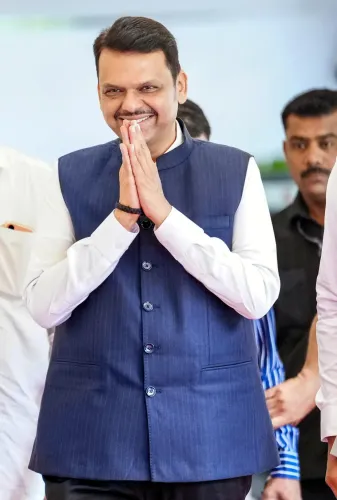
Devendra Fadnavis is the Chief Minister of Maharashtra and a senior leader who has served multiple terms in the role, focusing on economic development, infrastructure, and positioning the state as a leading contributor to India's national economy.