CM Fadnavis Calls Opposition 'Cowards' for Dodging Parliament Debate

Synopsis
Maharashtra CM Devendra Fadnavis publicly branded the opposition 'cowards' on 13 August 2026, accusing them in both Marathi and Hindi of lacking the courage to face parliamentary debate — a sharp escalation in the ruling-versus-opposition war of words.
Key Takeaways
Devendra Fadnavis , Maharashtra Chief Minister, posted a bilingual attack on the opposition on 13 August 2026 from Mumbai .
He accused the opposition of lacking the courage to face debate in Parliament, calling them 'cowards' ( palpute log / kayar ).
The post was written in both Marathi and Hindi , signalling a message aimed at both Maharashtra's base and a national audience.
Fadnavis is a senior BJP leader whose statements carry weight beyond Maharashtra's state politics.
The charge fits a broader pattern of ruling-party accusations that opposition benches disrupt rather than engage in substantive legislative debate.
When a sitting Chief Minister publicly brands the opposition 'cowards' for avoiding parliamentary debate, the floor of politics shifts from the legislature to the street. Maharashtra Chief Minister Devendra Fadnavis fired that charge on Thursday, 13 August 2026, in a pointed post from Mumbai that drew a sharp line between his party's willingness to engage and what he called the opposition's flight from accountability.
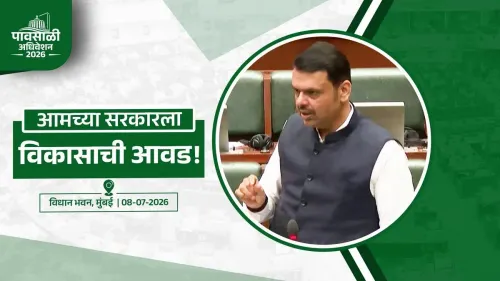
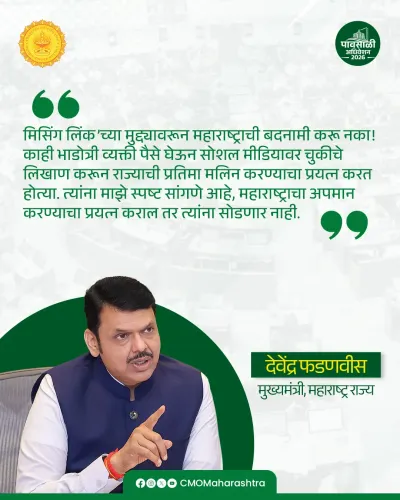
Posting in both Marathi and Hindi for maximum reach, Fadnavis wrote: 'विरोधी पक्षात संसदेत चर्चेला सामोरे जाण्याची हिंमत नाही, ते पळपुटे लोक आहेत!' — 'The opposition does not have the courage to face debate in Parliament; these people are cowards!' The bilingual framing was deliberate: a message aimed simultaneously at Maharashtra's Marathi-speaking base and the broader Hindi-belt national audience.
The Charge: Running from the Floor
The accusation is pointed and specific — not a general criticism of the opposition's politics, but a direct challenge to their conduct inside Parliament. Fadnavis's language, 'पळपुटे' (fugitives, those who flee), carries a particular sting in Marathi political culture, implying not just weakness but a deliberate abdication of democratic duty.
Indian parliamentary sessions have a long history of such exchanges, with the ruling side accusing opposition benches of disrupting the House rather than engaging in substantive debate. Fadnavis's post fits that pattern — but the bluntness of the language, and its simultaneous broadcast in two languages, signals this is more than routine sparring.
Fadnavis's Standing and the Stakes Behind the Words
Devendra Fadnavis is one of the BJP's most prominent national spokespersons, a leader whose political capital stretches well beyond Maharashtra's borders. As Chief Minister, his statements carry institutional weight — and when he uses the language of cowardice against parliamentary opponents, it is both a local political play and a national signal about how the ruling alliance intends to frame the opposition's legislative behaviour.
The question the opposition must now answer is not just political but procedural: if they are absent or disruptive when debate is called, Fadnavis's charge writes itself into the record. If they return to the floor and engage, they hand him a different kind of victory.
The next move belongs to the benches across the aisle — and Parliament is watching.
Point of View
Shifting the burden of legitimacy onto those who walk out or stay silent. For a leader of Fadnavis's stature, such language also serves as a loyalty signal to the party's national leadership — demonstrating he is willing to be the sharp edge of the political argument. The real test is whether the opposition responds on the floor of Parliament or on social media, because each choice plays into a different narrative Fadnavis is already building.
NationPress
13 Aug 2026
Frequently Asked Questions
Why did Devendra Fadnavis call the opposition cowards?
Fadnavis accused the opposition of refusing to face debate in Parliament, saying they lack the courage for substantive discussion — a charge he made in both Marathi and Hindi on 13 August 2026.
What does 'palpute' mean in Fadnavis's post?
'Palpute' is a Marathi word meaning 'those who flee' or 'fugitives,' used by Fadnavis to describe opposition leaders he says are avoiding parliamentary debate.
Is Devendra Fadnavis the Chief Minister of Maharashtra?
Yes, Devendra Fadnavis is the Chief Minister of Maharashtra and a senior leader of the BJP, known as one of the party's prominent national spokespersons.
What is the context of Fadnavis's attack on the opposition?
The post reflects a recurring pattern in Indian parliamentary politics where the ruling side accuses the opposition of disrupting or boycotting debate rather than engaging on legislative matters.
What language did Fadnavis use in his post?
Fadnavis posted in both Marathi and Hindi, a deliberate choice to reach Maharashtra's regional audience and a broader national Hindi-speaking audience simultaneously.