CM Fadnavis Champions Drug-Free Mumbai at Community Campaign
Synopsis
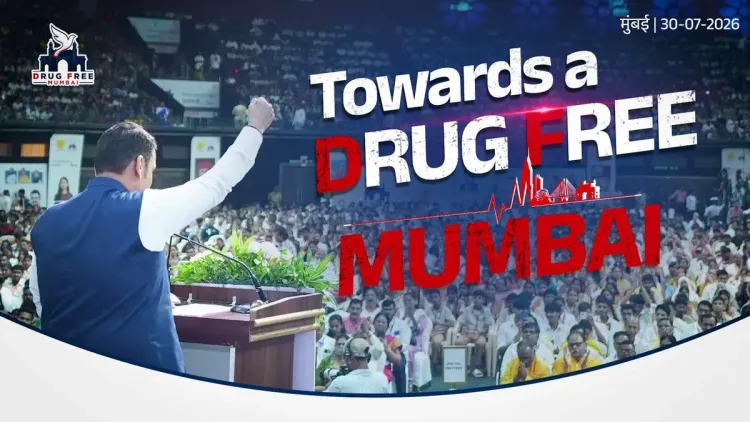
Maharashtra CM Devendra Fadnavis attended the Drug-Free Mumbai campaign on 31 July 2026, where students, parents, teachers, and counsellors pledged to fight substance abuse — extending the national Nasha Mukt Bharat Abhiyan to Mumbai's grassroots communities.
Key Takeaways
Maharashtra CM Devendra Fadnavis participated in the Drug-Free Mumbai campaign on 31 July 2026 .
The campaign engaged students, parents, teachers, and counsellors in community pledges against substance abuse.
The initiative aligns with the Nasha Mukt Bharat Abhiyan , launched by the Government of India in 2020 .
Fadnavis called for building a drug-free Mumbai and a drug-free Maharashtra , framing community voices as the foundation of the movement.
Potential expansion of similar campaigns to other parts of Maharashtra remains a key development to watch.
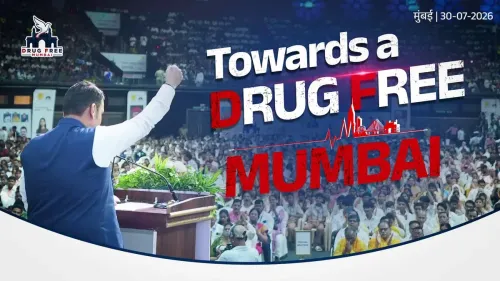
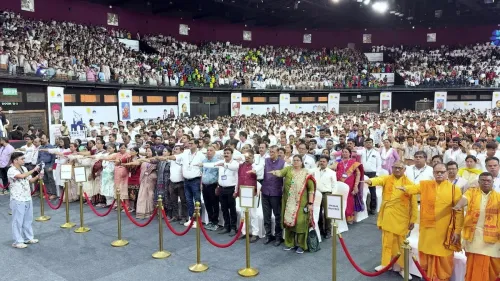
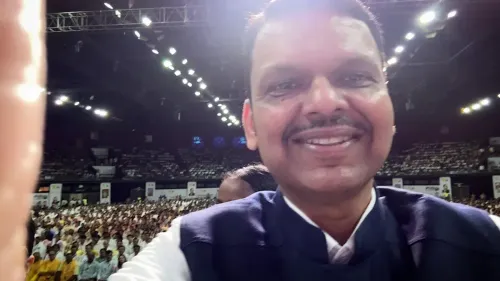
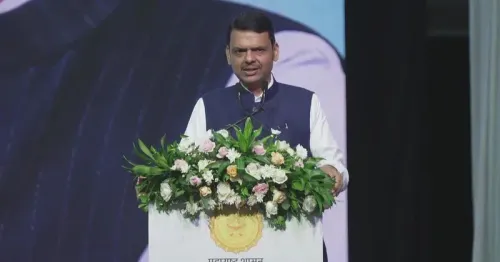
Students stepped up to the microphone. Parents made pledges. Teachers and counsellors shared their fears — and their hopes. At the Drug-Free Mumbai campaign, Maharashtra Chief Minister Devendra Fadnavis witnessed what he called the beginning of a movement, one powered not by policy papers but by people speaking from the heart on Friday, 31 July 2026.
Voices from the ground: what the campaign looked like
The event brought together a cross-section of Mumbai's communities — students, parents, teachers, and counsellors — each pledging to build a future defined by aspiration rather than addiction. Fadnavis framed the gathering as proof that the strongest movements begin with the strongest voices, directly quoting the campaign's own energy back at its participants. The @drugfreemumbai_ initiative positions community participation — not just enforcement — as the core of its strategy.
From Nasha Mukt Bharat to Mumbai's streets
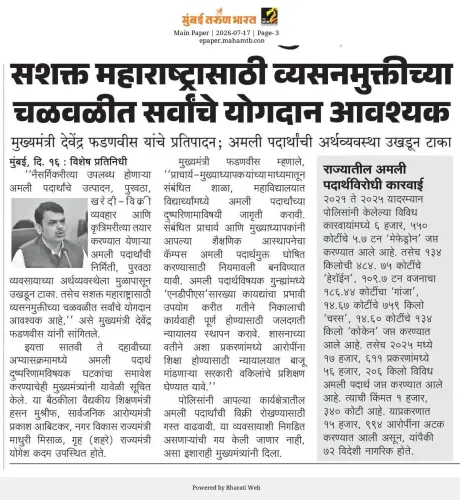
The campaign draws its philosophical spine from the Nasha Mukt Bharat Abhiyan, launched by the Government of India in 2020, which set the template for community-led, multi-stakeholder anti-drug drives across the country. Maharashtra has layered that national framework with a city-specific focus on Mumbai — India's financial capital and a metropolis where substance abuse among youth has long been a documented public health concern. The approach combines awareness drives, public pledges, and grassroots counselling to push for behavioural change that outlasts any single event.
Youth at the centre, expansion on the horizon
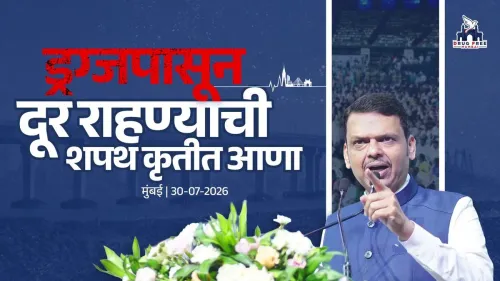
Every voice matters. Every pledge counts — those were Fadnavis's own words, and they signal where the political weight of this initiative sits: squarely on youth and education ecosystems. The model, if it gains traction in Mumbai, is the kind that state governments have used to justify rolling out similar campaigns to smaller cities and districts. Whether Maharashtra's state budget will follow with dedicated funding for expansion remains the next real test of this movement's depth.
A pledge made in a school auditorium is only as powerful as the infrastructure built around it — and that infrastructure is still being constructed.
Point of View
Championing youth welfare through grassroots mobilisation serves a dual purpose: it reinforces the party's social-policy credentials while building soft capital with parents and educators ahead of future electoral cycles. The community-pledge model is low-cost and high-visibility, but its durability depends on whether the state follows with sustained funding and institutional support rather than a one-day headline.
NationPress
31 Jul 2026
Frequently Asked Questions
What is the Drug-Free Mumbai campaign?
The Drug-Free Mumbai campaign is a community awareness initiative in Mumbai that engages students, parents, teachers, and counsellors to combat substance abuse through pledges and grassroots participation.
What did CM Devendra Fadnavis say at the Drug-Free Mumbai event?
Fadnavis said 'the strongest movements begin with the strongest voices' and called on communities to build a drug-free Mumbai and a drug-free Maharashtra, emphasising that every voice and every pledge counts.
What is Nasha Mukt Bharat Abhiyan?
Nasha Mukt Bharat Abhiyan is a nationwide anti-drug awareness programme launched by the Government of India in 2020, focusing on community participation to address substance abuse, particularly among youth.
How does Maharashtra's Drug-Free Mumbai campaign relate to national anti-drug policy?
The Drug-Free Mumbai campaign is a state-level extension of the Centre's Nasha Mukt Bharat Abhiyan, adapting the national framework to Mumbai's urban context with a focus on multi-stakeholder community engagement.
Will the Drug-Free Mumbai campaign expand to other parts of Maharashtra?
Expansion of similar campaigns to other districts and cities in Maharashtra is being watched as a potential next step, though specific announcements or budget allocations have not yet been confirmed.