CM Fadnavis: Disaster Dept Monitoring Mumbai Floods
Synopsis
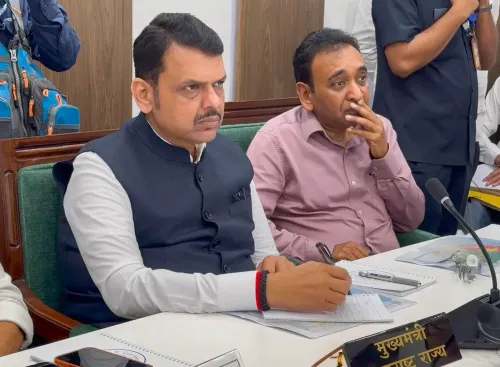
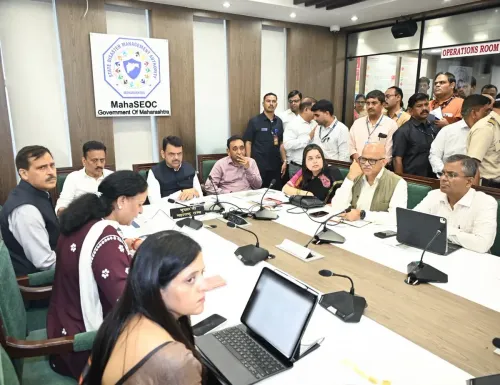
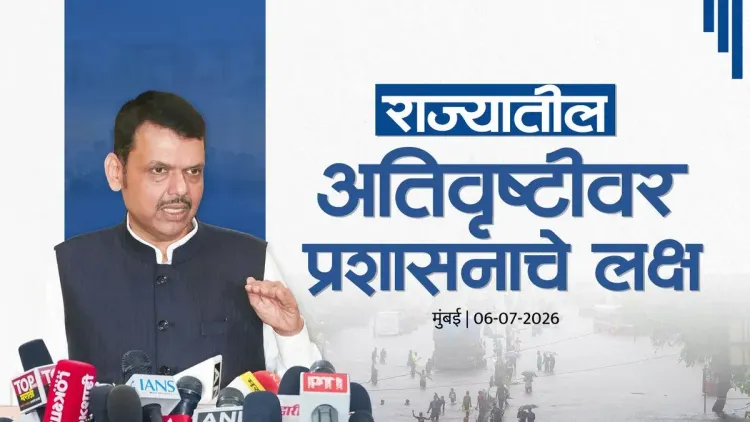
Maharashtra Chief Minister Devendra Fadnavis on 6 July 2026 confirmed that the state Disaster Management Department is continuously monitoring heavy rainfall and flood-like conditions in Mumbai and across Maharashtra during the active southwest monsoon season.
Key Takeaways
CM Devendra Fadnavis confirmed on 6 July 2026 that Maharashtra's Disaster Management Department is actively monitoring the monsoon situation.
Heavy rainfall and flood-like conditions are reported in Mumbai and multiple other regions of Maharashtra .
The announcement was made bilingually in Marathi and Hindi, signalling broad public outreach.
Maharashtra's disaster response framework is rooted in the National Disaster Management Act of 2005 , strengthened after the catastrophic Mumbai floods of July 2005 .
The state's monitoring posture involves coordination between the Disaster Management Department, district administrations, and the India Meteorological Department .
Further relief or operational announcements are expected if rainfall intensity escalates across vulnerable districts.
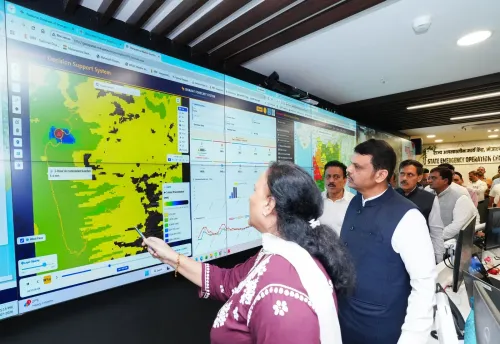
Maharashtra Chief Minister Devendra Fadnavis on Monday, 6 July 2026, confirmed that the state's Disaster Management Department is continuously monitoring heavy rainfall and flood-like conditions affecting Mumbai and several other parts of Maharashtra. The announcement came amid an active southwest monsoon that has brought intense precipitation to the state's coastal and urban regions.
Context
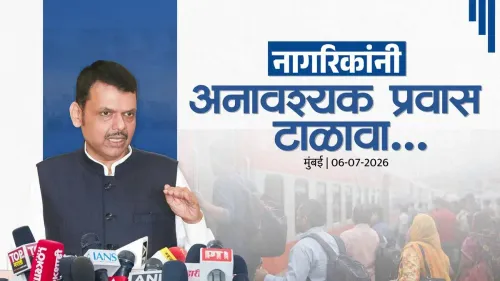
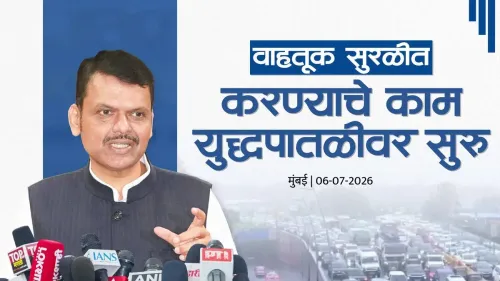
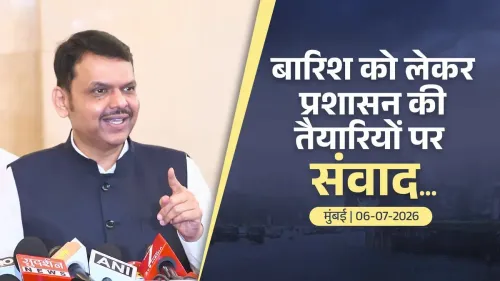
In a post shared on X, CM Fadnavis stated — in both Marathi and Hindi — that the Disaster Management Department is keeping a constant watch on the situation. The Marathi text reads: 'मुंबईसह राज्यातील विविध भागांत सुरू असलेल्या अतिवृष्टी व पूरसदृश्य परिस्थितीवर आपत्ती व्यवस्थापन विभागाकडून सातत्याने लक्ष ठेवण्यात येत आहे' — meaning, 'The Disaster Management Department is continuously monitoring the heavy rainfall and flood-like conditions occurring in Mumbai and various parts of the state.' The bilingual post underscores the administration's intent to communicate with both Marathi- and Hindi-speaking residents across the state.
Policy Backdrop
Maharashtra's disaster response framework draws from the National Disaster Management Act of 2005, which mandated coordinated state-level mechanisms for flood monitoring and emergency response. The legislation was enacted in the wake of catastrophic flooding events that exposed gaps in India's disaster preparedness infrastructure. Mumbai's devastating floods of July 2005 — which claimed hundreds of lives and paralysed the city for days — served as a turning point, prompting the state to invest in upgraded drainage systems and early-warning protocols that continue to be refined each monsoon season.
The southwest monsoon, which typically arrives over Maharashtra between June and September, consistently tests urban infrastructure in Mumbai, where low-lying areas, storm drains, and the Mithi River corridor are historically vulnerable to inundation. State governments have routinely activated disaster management protocols during this period to monitor water levels, issue public alerts, and coordinate relief.
Stakeholders and Impact
The most immediate stakeholders are residents of Mumbai's flood-prone localities — particularly those in low-lying wards, informal settlements near nullahs, and areas adjacent to the city's creek network. Beyond the financial capital, communities in other parts of Maharashtra facing heavy rainfall are also under the department's watch, reflecting the geographic breadth of this year's monsoon impact. Disruption to road and rail connectivity, waterlogging in residential and commercial zones, and risks to public health are among the key concerns during such high-rainfall episodes.
The Disaster Management Department's active monitoring role is critical for coordinating with the Brihanmumbai Municipal Corporation (BMC), district administrations, and the India Meteorological Department (IMD) to ensure timely deployment of rescue teams and relief resources wherever conditions deteriorate.
What's Next
Close attention will be paid to updates from the India Meteorological Department regarding the monsoon's trajectory and any red or orange alerts issued for Mumbai or other vulnerable districts. Should conditions worsen, the state administration is expected to announce specific relief measures, emergency helpline activations, or infrastructure interventions. CM Fadnavis's public communication signals that the government is in active monitoring mode — a posture that typically precedes more targeted operational announcements if rainfall intensity escalates.
Point of View
Widening the audience beyond Maharashtra's dominant linguistic group during an emergency. This fits a broader pattern of BJP-led state governments using social media as a real-time crisis-communication tool to pre-empt criticism of slow response. The critical test, as in past monsoon seasons, will be whether active monitoring translates into visible ground-level relief if flooding intensifies.
NationPress
7 Jul 2026
Frequently Asked Questions
What did CM Devendra Fadnavis say about Mumbai floods on 6 July 2026?
CM Fadnavis confirmed that Maharashtra's Disaster Management Department is continuously monitoring heavy rainfall and flood-like conditions in Mumbai and across the state, posting the update bilingually in Marathi and Hindi on 6 July 2026.
Which department is monitoring the Maharashtra flood situation in 2026?
The Maharashtra Disaster Management Department is the state-level body responsible for monitoring the heavy rainfall and flood-like conditions reported in Mumbai and other parts of the state during the 2026 monsoon season.
Why does Mumbai flood every monsoon season?
Mumbai is vulnerable to monsoon flooding due to its low-lying geography, dense urban infrastructure, limited drainage capacity, and proximity to the Arabian Sea and tidal creeks. The city has faced recurring inundation since at least the catastrophic floods of July 2005.
What is the National Disaster Management Act and how does it apply to Maharashtra?
The National Disaster Management Act of 2005 established coordinated frameworks for disaster response across Indian states. Maharashtra's Disaster Management Department operates within this framework to monitor floods, issue alerts, and coordinate relief during the monsoon season.
What should Mumbai residents do during heavy rainfall alerts?
Residents should follow advisories issued by the Maharashtra Disaster Management Department and the Brihanmumbai Municipal Corporation, avoid low-lying and flood-prone areas, and stay updated through official government channels during heavy rainfall events.