CM Fadnavis: Farm Loan Waiver Not a Political Issue for Us
Synopsis
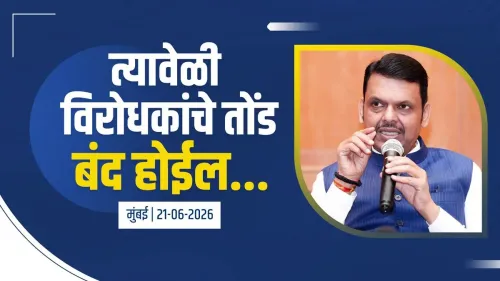
Maharashtra Chief Minister Devendra Fadnavis, at a Mumbai press conference on June 21, 2026, declared that farm loan waivers are a governance matter and not a political subject — positioning the state government's approach to agricultural debt relief above electoral calculations.
Key Takeaways
CM Devendra Fadnavis stated on June 21, 2026 that farm loan waivers are 'not a political subject' for his government.
The statement was made in both Marathi and Hindi at a press conference in Mumbai .
Maharashtra previously implemented a major farm loan waiver in 2017 under Fadnavis's first term as Chief Minister.
A central government Agricultural Debt Waiver Scheme in 2008 covered over 30 million farmers across India.
The declaration signals the state government may be preparing a formal agricultural debt relief policy decision in the near term.
Farmers across Vidarbha , western Maharashtra, and Nashik remain key stakeholders in any debt relief outcome.
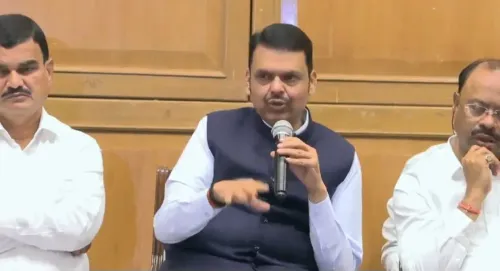
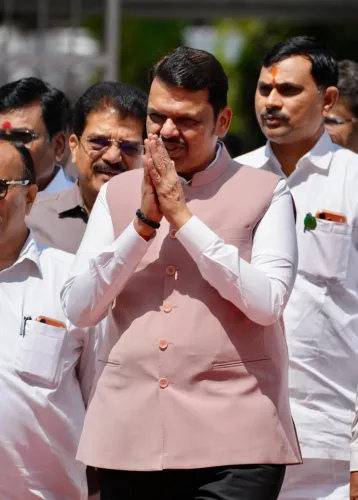
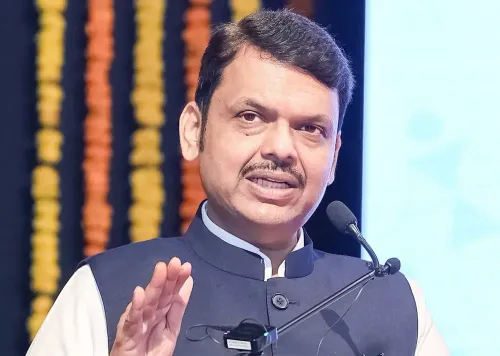
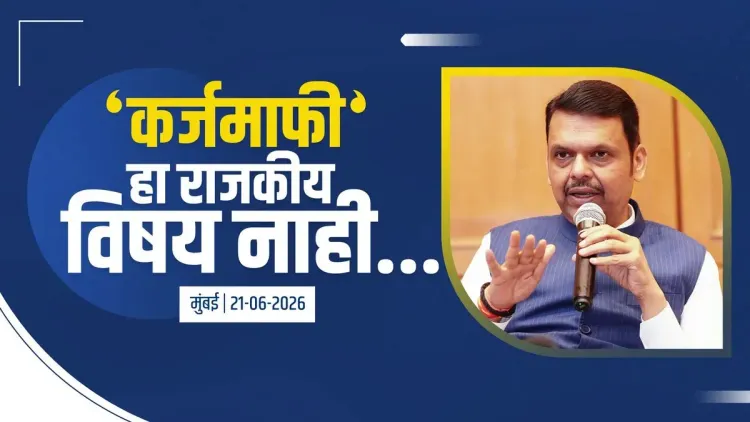
Maharashtra Chief Minister Devendra Fadnavis on Sunday, June 21, 2026, declared at a press conference in Mumbai that farm loan waivers are a matter of governance and not political opportunism, signalling the state government's intent to treat agricultural debt relief as a welfare priority rather than electoral currency.
Speaking to reporters, Fadnavis said in Marathi and Hindi: 'आमच्यासाठी कर्जमाफी हा राजकीय विषय नाही' ('For us, farm loan waiver is not a political subject'). The bilingual statement, delivered in both Marathi and Hindi, was a pointed rebuttal to criticism that such relief measures are deployed selectively ahead of elections.
Context
Farm loan waivers have long been a flashpoint in Maharashtra politics. The state has one of India's largest agricultural sectors, with millions of smallholder farmers vulnerable to debt cycles driven by erratic monsoons, volatile crop prices, and high input costs. Fadnavis himself had overseen a major farm loan waiver package in 2017 during his first term as Chief Minister, a move that came under sustained political scrutiny over its implementation and coverage.
The June 2026 statement arrives amid renewed debate over rural distress in the state, with opposition parties frequently accusing the ruling dispensation of using debt relief as a pre-election tool rather than a structural policy response.
Policy Backdrop
India has a long history of agricultural debt relief at both the central and state levels. A landmark Agricultural Debt Waiver and Debt Relief Scheme was rolled out by the central government in 2008, covering over 30 million farmers nationwide. Since then, multiple states — including Maharashtra, Uttar Pradesh, Punjab, and Rajasthan — have announced their own waiver packages, each sparking debate about fiscal sustainability versus immediate relief.
Critics of loan waivers argue they distort rural credit markets and create moral hazard, discouraging timely repayment. Proponents counter that they provide essential breathing room for farmers trapped in debt spirals, particularly after crop failures. Fadnavis's framing — that the issue is 'not political' — is a direct attempt to position the Maharashtra government above this recurring debate, casting debt relief as routine administrative duty.
State-level schemes often run alongside central programmes such as PM-KISAN, which provides direct income support of Rs 6,000 per year to eligible farmer families, and interest subvention schemes that reduce the cost of short-term agricultural credit.
Stakeholders and Impact
Maharashtra's farming community — spanning sugarcane growers in the west, cotton and soybean farmers in Vidarbha, and onion cultivators in Nashik — stands as the primary stakeholder in any debt relief decision. Vidarbha in particular has historically recorded high rates of farmer distress and has been at the centre of policy attention for over two decades.
Lenders, including cooperative banks and regional rural banks, are secondary stakeholders, as waivers affect their balance sheets and recovery ratios. The state exchequer bears the direct fiscal cost of any waiver, making the finance department a key actor in determining the scope and timing of any formal announcement.
What's Next
The CM's statement is likely to be read as a precursor to a formal policy announcement, possibly tied to upcoming state budget deliberations or a cabinet decision on agricultural credit relief. Observers will watch whether Maharashtra links any new waiver package to central government schemes or structures it as a standalone state intervention. The framing of debt relief as a welfare imperative — rather than a political concession — also sets the rhetorical stage for the government to control the narrative around any future announcement's timing and scale.
Point of View
Distancing them from the transactional optics that have dogged state-level waivers across party lines. The statement also quietly acknowledges the political sensitivity of the issue: you do not publicly deny something is political unless the charge is already in the air. Watchers should treat this as a signal flare ahead of a formal policy move, not merely a press conference aside.
NationPress
22 Jun 2026
Frequently Asked Questions
What did CM Devendra Fadnavis say about farm loan waivers in June 2026?
At a press conference in Mumbai on June 21, 2026, CM Fadnavis declared that farm loan waivers are not a political subject for his government, framing them as a welfare and governance priority.
Has Maharashtra given farm loan waivers before?
Yes. Maharashtra announced a major farm loan waiver package in 2017 during Fadnavis's first term as Chief Minister, and the state has seen multiple cycles of agricultural debt relief over the years.
What is the history of farm loan waivers in India?
India's most significant central-level waiver was the Agricultural Debt Waiver and Debt Relief Scheme of 2008, which covered over 30 million farmers. Since then, several states including Maharashtra have announced their own packages.
Which farmers in Maharashtra benefit from loan waivers?
Smallholder farmers across Maharashtra — including cotton and soybean growers in Vidarbha, sugarcane farmers in western Maharashtra, and onion cultivators in Nashik — are the primary beneficiaries of state debt relief measures.
What happens after Fadnavis's statement on farm loan waivers?
The statement is widely seen as signalling a forthcoming formal policy decision. Observers are watching upcoming state cabinet meetings and budget sessions for a concrete announcement on agricultural debt relief.