CM Fadnavis flags Mumbai model office, Class-I conversions
Synopsis
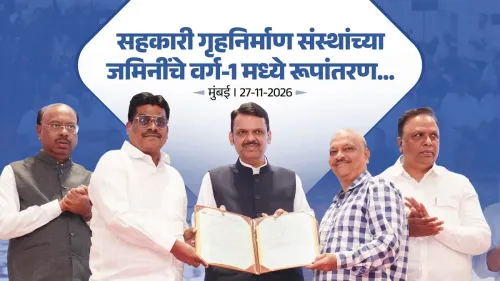
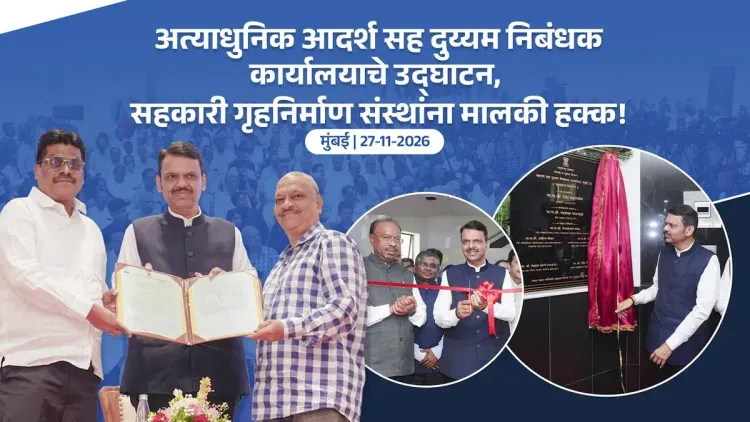
Maharashtra Chief Minister Devendra Fadnavis highlighted a 27 November 2026 push in Mumbai: a Model Joint Sub-Registrar Office to ease registration and Class-I conversion orders under the Nagari Nivara Parishad to unlock redevelopment for cooperative housing societies on government land.
Key Takeaways
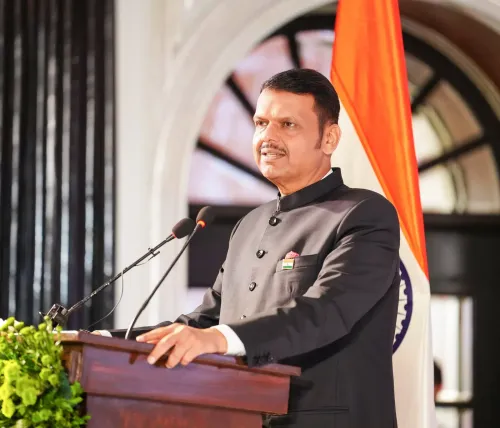
Maharashtra Chief Minister Devendra Fadnavis on 27 November 2026 highlighted a Model Joint Sub-Registrar Office and Class-I conversion orders in Mumbai .
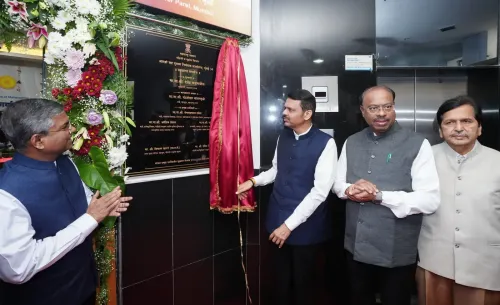
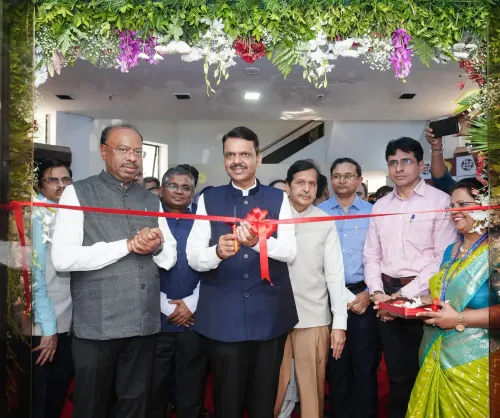
He said the day focused on making registration services more accessible through the model office.
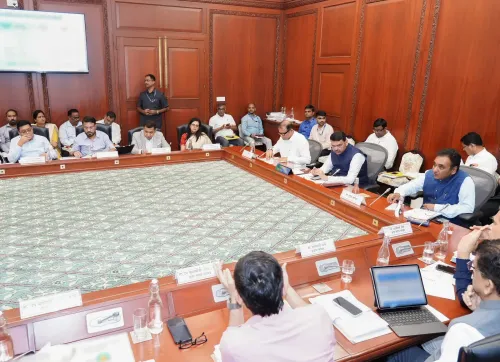
Class-I conversion orders to cooperative housing societies under the Nagari Nivara Parishad are meant to enable redevelopment via ownership rights on government land.
Maharashtra has pursued digitisation of land registration and model offices since the 2010s .
Cooperative housing societies and Mumbai residents are the immediate stakeholders of the conversion track.
Further model sub-registrar offices and additional conversion orders are the practical next markers.
Two files moved in Mumbai on 27 November 2026, and Maharashtra Chief Minister Devendra Fadnavis wanted the city to see both: a Model Joint Sub-Registrar Office built to make registration less of a maze, and Class-I conversion orders that give cooperative housing societies on government land a path to redevelopment.
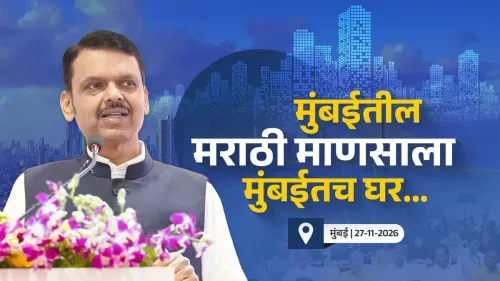
Sharing what he called 'special moments' from the day, Fadnavis said the focus was on making registration services more accessible and on facilitating housing redevelopment under the Nagari Nivara Parishad. In Marathi he described the same dual push: easier registration through an aadarsh sah duyam nibandhak (model joint sub-registrar) office, and ownership rights that open a redevelopment chance for cooperative societies sitting on government land.
Model Joint Sub-Registrar Office in Mumbai
Land and property registration has long been one of the most high-friction civic services in Maharashtra's cities. State governments have, since the 2010s, tried to digitise records and upgrade offices so that citizens spend less time chasing stamps, queues and missing files.
The Model Joint Sub-Registrar Office sits in that lineage — a citizen-facing upgrade rather than a new statute. Fadnavis framed the inauguration as a day spent making registration services more accessible, not as ceremony for its own sake.
Class-I conversion under Nagari Nivara Parishad
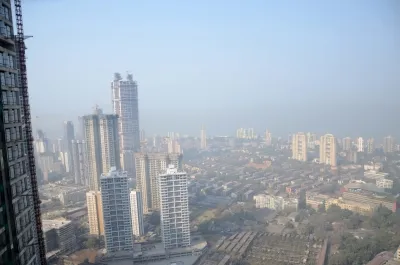
The second track is more structural. Large parts of Mumbai live in cooperative housing societies on government or leased land. Without a clear conversion of tenure — often called Class-I conversion — societies struggle to claim the ownership rights that lenders, planners and developers treat as the starting point for redevelopment.
The conversion orders to cooperative housing societies under the Nagari Nivara Parishad, the state body that handles urban housing and redevelopment for such societies, are meant to close that gap. Ownership on paper is the lever. Denser, safer buildings on the same plot are the intended outcome in a city where land is scarce and stock is ageing.
Cooperative societies and ordinary Mumbai residents are the immediate stakeholders. The pattern is familiar: streamline the registration counter, and convert tenure so redevelopment can actually start.
Additional model offices and conversion orders
The practical marker now is scale: more model sub-registrar offices, and further Class-I conversion orders or redevelopment projects under similar frameworks. For a city built on cooperative societies and leased plots, the test is whether files move — and whether cranes follow.
Point of View
And Class-I conversion for societies that cannot redevelop until tenure is cleaned up. That pairing fits a decade of attempts to digitise land records and to treat ownership conversion as a redevelopment trigger rather than a legal afterthought. The political test is delivery: more offices, more orders, and visible projects under the Nagari Nivara Parishad.
NationPress
28 Nov 2026
Frequently Asked Questions
What did CM Devendra Fadnavis highlight in Mumbai on 27 November 2026?
He highlighted the inauguration of a Model Joint Sub-Registrar Office to ease registration and Class-I conversion orders for cooperative housing societies under the Nagari Nivara Parishad. The orders are meant to unlock redevelopment through ownership rights on government land.
What is a Model Joint Sub-Registrar Office in Maharashtra?
It is an upgraded citizen-facing registration office intended to make property and document registration more accessible. Maharashtra has pursued digitisation of land registration and model offices since the 2010s.
What is Class-I conversion for cooperative housing societies?
Class-I conversion orders grant ownership-related rights to cooperative housing societies on government land, which can unlock housing redevelopment. Fadnavis said such orders were issued under the Nagari Nivara Parishad.
What does Nagari Nivara Parishad do?
Nagari Nivara Parishad is a Maharashtra government body that handles urban housing matters, including redevelopment for cooperative societies. It is the framework under which the Class-I conversion orders cited by the Chief Minister were placed.
Why do Mumbai cooperative societies seek conversion orders?
Many cooperative housing societies in Mumbai stand on government or leased land. Without conversion of tenure, societies often cannot secure the ownership rights needed to redevelop ageing buildings in a dense city.