Dilip Ghosh backs 50% Lok Sabha seat hike, cites 30 lakh voters
Synopsis
Dilip Ghosh says one MP simply cannot serve 30 lakh voters, and he is backing the Cabinet's 50% Lok Sabha expansion. The plan raises seats uniformly across all states and freezes allocation until 2051. Ghosh also endorsed a UP-style free hand for police as Bengal logged its sixth encounter.
Key Takeaways
Dilip Ghosh welcomed the proposed 50 per cent increase in Lok Sabha seats on 28 November 2026 in Newtown .
The Union Cabinet approved the uniform expansion across all states on 27 November 2026 , with seat allocation frozen until 2051 .
Ghosh said each Lok Sabha constituency has around 30 lakh voters , too many for one MP to reach.
The Centre is pushing to pass the Delimitation Bill in Parliament next week, and the NCP (SP) has backed it.
Ghosh called for a Uttar Pradesh -style free hand for police after Bengal's sixth encounter was reported in Asansol .
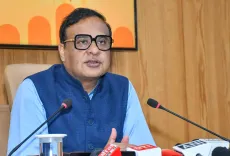
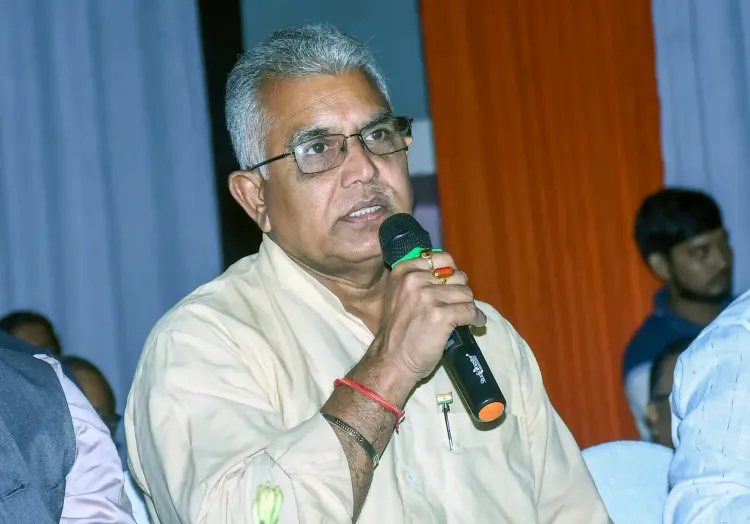
West Bengal Minister Dilip Ghosh on Saturday, 28 November 2026, welcomed the proposed 50 per cent increase in Lok Sabha seats. Speaking in Newtown, he said that India's growing population has made it nearly impossible for a single Member of Parliament (MP) to reach every voter in a constituency. He called the expansion a positive reform that should have happened much earlier.
His remarks come a day after the Union Cabinet cleared the proposal. The Centre is now pushing to get the Delimitation Bill passed in Parliament next week.
Key Developments on the Delimitation Bill
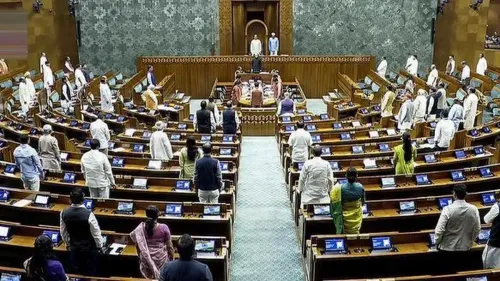
On Friday, 27 November 2026, the Union Cabinet approved a proposal to raise the strength of the Lok Sabha by 50 per cent. The increase will apply uniformly across all states, which addresses a major demand raised by southern states.
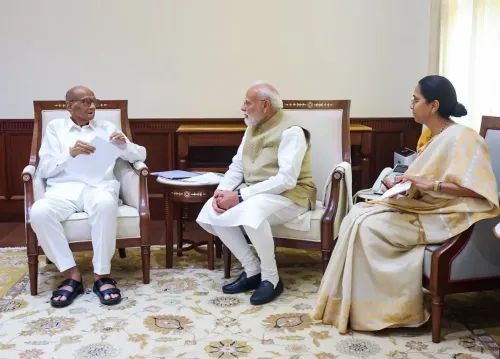
Under the proposed amendments, seat allocation will remain frozen for the next 25 years, until 2051. The Nationalist Congress Party (Sharadchandra Pawar), or NCP (SP), has also extended its support to the Bill.
What Dilip Ghosh Said
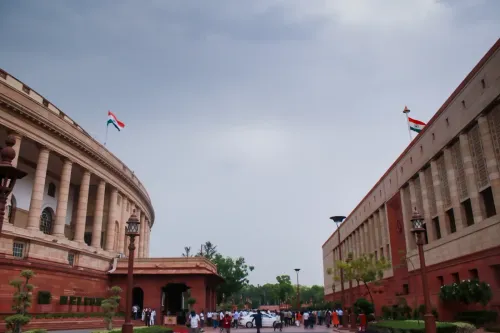
Speaking to reporters, Ghosh linked the expansion to India's demographic growth and to the seating capacity of the new Parliament building.
“The country's population has increased significantly, and decisions need to be taken keeping the current situation in mind. In the new Parliament building that has been constructed, the number of seats has been increased one-and-a-half times. Naturally, that process is moving forward,” he said.
He then pointed to the size of an average constituency. “In every Lok Sabha constituency, there are around 30 lakh voters. It is not possible for a single MP to visit every place, connect with people, listen to their problems and address their concerns. It is a good thing that the number of seats is increasing,” Ghosh added.
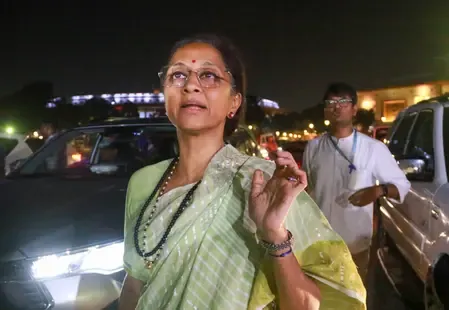
Reacting to the NCP (SP)'s support, he urged all political parties to back the proposal. “Everyone should support it. Those who have no existence, whether they have four or 40 seats, what difference does it make to them? This should have happened much earlier. Our government has taken the initiative, and it should happen. These people never want reforms,” he said.
The Bengal Angle
Ghosh also cited what he described as uneven representation within West Bengal. According to him, the state has 42 Lok Sabha seats and 23 districts. “One district has five Lok Sabha constituencies, while another has only one Assembly constituency,” he said.
Remarks on Police Encounters and Law and Order
The minister also commented on the recent string of police encounters in the state. He said the incidents showed a deteriorating law-and-order situation and growing confidence among criminals.
“These incidents make it clear where Bengal's law-and-order situation has reached and how much the morale of criminals and anti-social elements has increased. Those who challenge the police and open fire at them leave the police with no option but to take necessary action to improve law and order and bring them to justice,” he said.
Ghosh held up Uttar Pradesh and Bihar as models and called for similar police reforms in Bengal. “We want to build Uttar Pradesh here. We have visited Uttar Pradesh and seen its law-and-order situation. We have also seen Bihar. Mafia members and criminals who once moved around with convoys of 50 vehicles no longer have the courage to do so. If the effective measures are implemented here, they will work in Bengal too. Reforms are necessary, and the police must be given a free hand,” he added.
Sixth Encounter Reported From Asansol
Notably, the state's sixth police encounter was reported on Friday from Asansol in Paschim Bardhaman district. The accused, Pratap Das alias Paaun, was shot in his left leg. Police say he was allegedly trying to open fire at personnel during a combing operation in Ismail, a residential locality in the Heerapur area. He was reportedly hiding there.
The Delimitation Bill is expected to come up in Parliament next week. Attention will now turn to how opposition parties position themselves on the 50 per cent expansion and the freeze on seat allocation until 2051.
Point of View
And the freeze until 2051 effectively postpones the real fight over proportional representation by a generation. Ghosh's 30-lakh-voters argument is sound, but a bigger House does not automatically mean better representation without stronger constituency-level accountability. More troubling is his open endorsement of an encounter-led 'UP model' for Bengal. Six encounters in quick succession should prompt scrutiny of due process, not applause.
NationPress
28 Nov 2026
Frequently Asked Questions
What is the proposed increase in Lok Sabha seats?
The Union Cabinet on 27 November 2026 approved a proposal to raise the strength of the Lok Sabha by 50 per cent, applied uniformly across all states. Seat allocation will remain frozen for 25 years, until 2051.
Why did Dilip Ghosh support the increase in Lok Sabha seats?
Ghosh said each Lok Sabha constituency now has around 30 lakh voters, making it impossible for one MP to connect with every voter. He added that the new Parliament building already has one-and-a-half times more seats.
When will the Delimitation Bill be taken up in Parliament?
The Centre is pushing to get the Delimitation Bill passed in Parliament next week. The NCP (SP) has already extended its support to the Bill.
Why does the uniform 50% increase matter to southern states?
A uniform increase across all states was a major demand of southern states. They feared that a population-based reallocation would reduce their relative representation in the Lok Sabha.
What happened in the Asansol police encounter?
In West Bengal's sixth police encounter, accused Pratap Das alias Paaun was shot in the left leg in Asansol on Friday. Police say he was allegedly trying to open fire at them during a combing operation in the Heerapur area.