CM Fadnavis: Gadchiroli's Future Lies in Development, Not Maoism

Synopsis
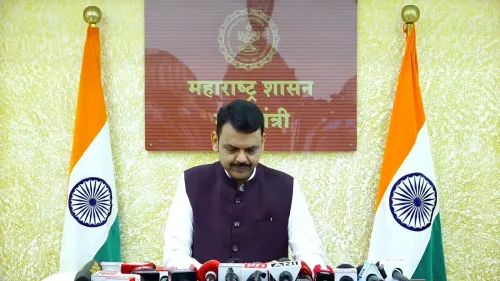
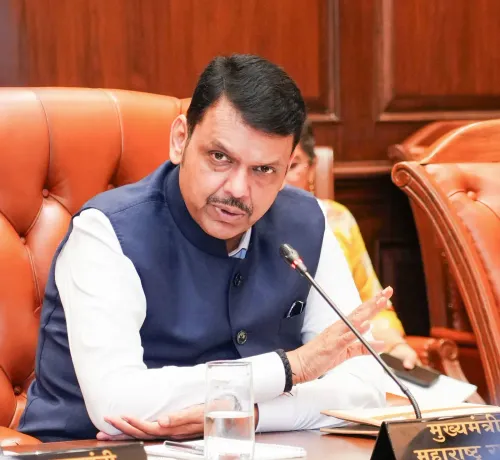
At the Republic Summit in Mumbai on September 29, 2026, Maharashtra CM Devendra Fadnavis declared that the people of Gadchiroli now see development — not Maoism — as the route to their welfare, framing the district's trajectory within India's broader Left Wing Extremism decline.
Key Takeaways
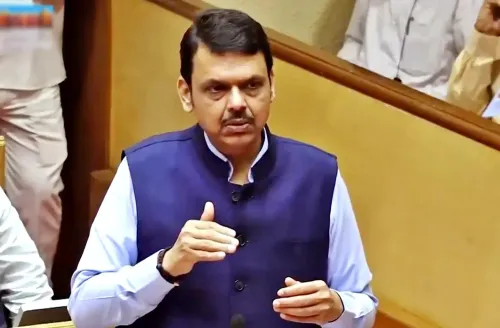
Maharashtra CM Devendra Fadnavis spoke at a fireside chat at the Republic Summit, Mumbai, on September 29, 2026 .
He stated that the people of Gadchiroli now recognise development — not Maoism — as the path to their welfare.
Gadchiroli is an eastern Maharashtra district with a long history of Maoist insurgency and a large tribal population.
India's Integrated Action Plan for LWE districts , running since 2009 , combines security operations with roads, schools, and welfare delivery.
Maharashtra governments from 2014 onward expanded road connectivity and surrender-rehabilitation packages in Gadchiroli.
Declining Maoist incidents in Gadchiroli mirror a national pattern across Chhattisgarh, Jharkhand, and Odisha .
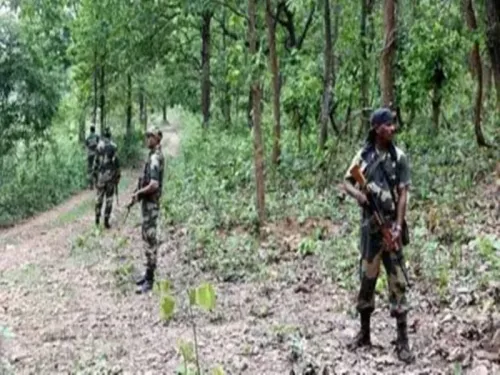
A district once defined by ambushes and displacement is now, according to Maharashtra Chief Minister Devendra Fadnavis, finding its identity in roads, schools, and welfare — not in the shadow of the gun. Speaking at a fireside chat at the Republic Summit in Mumbai on September 29, 2026, Fadnavis made a pointed declaration about the turning tide in Gadchiroli, the easternmost district of Maharashtra and long one of India's most volatile Maoist strongholds.
Fadnavis said, in both Marathi and Hindi: 'Gadchirolītīl lokānnā āta samajale āhe kī, Māovādātūna nhave, tar vikāsātūnach tyānce hit sādhale jāū śakate' — 'The people of Gadchiroli now understand that their welfare can be achieved not through Maoism, but through development.' The parallel Hindi rendering underscored the message's reach beyond Maharashtra alone.
From Red Corridor to Road Connectivity
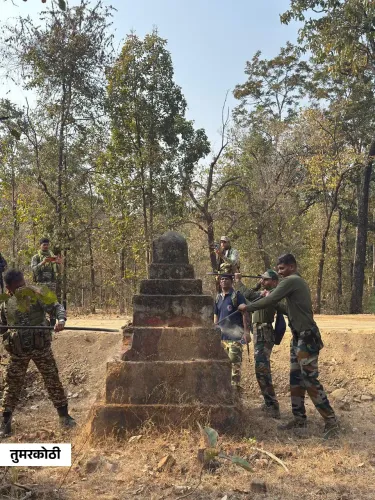
Gadchiroli sits at the intersection of Maharashtra, Chhattisgarh, and Telangana — a forested tribal belt that formed a critical node in the so-called Red Corridor for decades. Maoist violence, forced recruitment from tribal communities, and a near-total absence of state infrastructure long kept the district isolated. The human cost was borne overwhelmingly by the district's tribal residents.
The shift Fadnavis described has roots in a deliberate dual-track policy. Since 2009, the central government's Integrated Action Plan for Left Wing Extremism districts has funnelled funding into roads, schools, health centres, and welfare delivery alongside sustained security operations. Maharashtra governments from 2014 onward expanded that framework with surrender-and-rehabilitation packages and a push on road and mobile connectivity — projects that physically broke the isolation that Maoist cadres had relied on.
A Pattern Playing Out Across the Corridor
Gadchiroli is not alone. Across Chhattisgarh, Jharkhand, and Odisha — the other major LWE-affected states — the same pattern has emerged: as infrastructure reached previously inaccessible forest blocks and welfare schemes began to deliver, Maoist incident counts declined. Fadnavis's remarks at the Republic Summit placed Maharashtra's experience inside that national arc.
The argument is both political and empirical. Development is not merely a softer alternative to security operations — it is, in the government's reading, the more durable one. When a tribal family in Gadchiroli gains a paved road to a hospital, a ration card that actually works, and a phone signal, the ideological pitch of insurgency loses its edge.
What the Summit Statement Signals
The choice of the Republic Summit — a high-profile national policy forum in Mumbai — as the venue for this declaration was deliberate. Fadnavis was not briefing a local audience; he was framing Maharashtra's LWE record for a national and business-facing crowd. That framing matters: Gadchiroli holds significant mineral and forest resources, and investor confidence in the region is directly tied to perceptions of stability.
Pending road and mobile connectivity projects in Gadchiroli, along with any new surrender or rehabilitation announcements from the state government, will be the hard test of whether the momentum Fadnavis described translates into lasting change for the district's tribal communities.
The gun, in Gadchiroli, may finally be losing its argument — replaced, brick by brick, by the state it once rejected.
Point of View
A thesis it has advanced in Jammu and Kashmir and the Northeast as well. By asserting that the local population itself has internalised this shift, Fadnavis moves the discourse from a state-imposed solution to one with claimed community consent — a politically significant distinction. The durability of that claim will depend on how quickly pending infrastructure and rehabilitation commitments in Gadchiroli are actually delivered.
NationPress
30 Sept 2026
Frequently Asked Questions
What did CM Devendra Fadnavis say about Gadchiroli at the Republic Summit?
At the Republic Summit in Mumbai on September 29, 2026, CM Fadnavis said the people of Gadchiroli now understand that their welfare comes from development, not from Maoism — marking a significant shift in the district's trajectory.
Why is Gadchiroli considered a Maoist-affected district?
Gadchiroli is an eastern Maharashtra district bordering Chhattisgarh and Telangana, part of India's Red Corridor. Its remote forests, tribal population, and historical absence of state infrastructure made it a major Maoist stronghold for decades.
What government schemes have been used to reduce Maoist influence in Gadchiroli?
Since 2009, the central government's Integrated Action Plan for Left Wing Extremism districts has funded roads, schools, and welfare delivery in Gadchiroli. Maharashtra governments from 2014 onward also expanded surrender-rehabilitation packages and road connectivity.
Is Maoist violence declining in Gadchiroli?
Available evidence points to declining Maoist incidents in Gadchiroli, consistent with a broader national pattern across Chhattisgarh, Jharkhand, and Odisha where infrastructure investment and welfare delivery have accompanied security operations.
What is the Republic Summit where Fadnavis spoke?
The Republic Summit is an annual high-profile policy discussion forum held in Mumbai, featuring sessions on governance, security, and development attended by political leaders, policymakers, and business figures.