CM Fadnavis receives ₹5 lakh cheque for drought-hit farmers
Synopsis
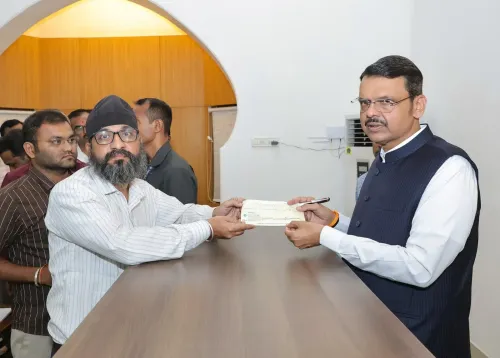
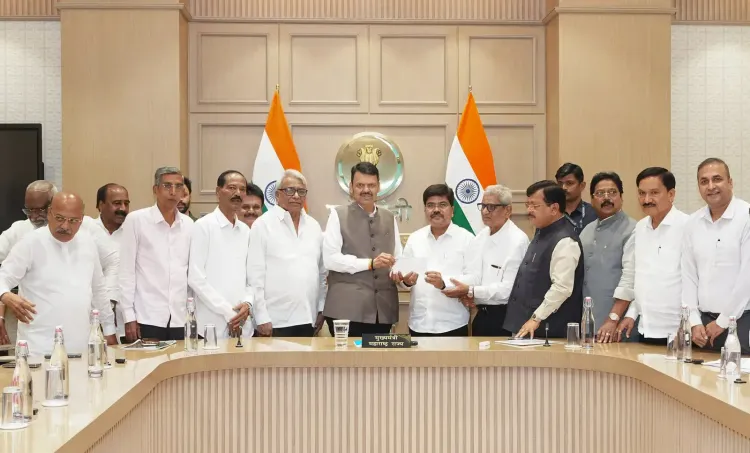
The Mumbai District Co-operative Housing Federation donated ₹5 lakh to Maharashtra's Chief Minister's Relief Fund for drought-affected farmers. MLAs Pravin Darekar and Prakash Darekar handed the cheque to CM Devendra Fadnavis in Mumbai on 7 November 2026.
Key Takeaways
₹5,00,000 donated to the Chief Minister's Relief Fund for drought-affected farmers in Maharashtra.
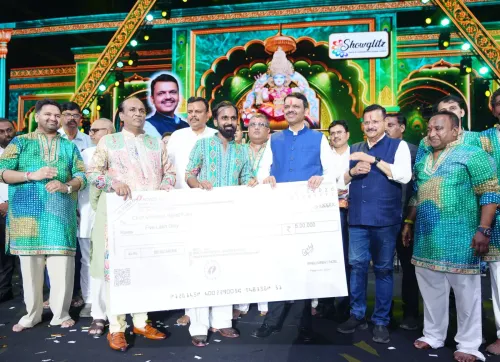
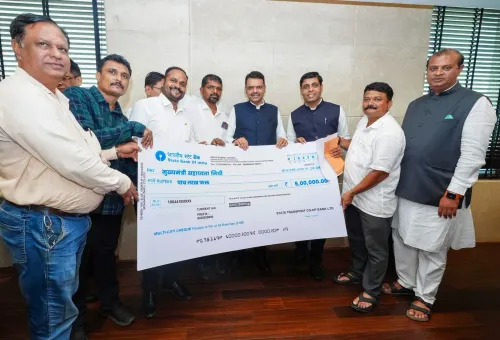
Cheque presented by MLA Pravin Darekar and MLA Prakash Darekar on behalf of the Mumbai District Co-operative Housing Federation .
Handover ceremony took place in Mumbai on 7 November 2026 .
CM Devendra Fadnavis personally received the cheque and thanked the federation.
The CM Relief Fund is Maharashtra's primary channel for fast-disbursing aid to natural calamity victims, including drought-hit farmers.
Cooperative organisations have historically been a recurring source of supplementary donations to this fund during drought seasons.
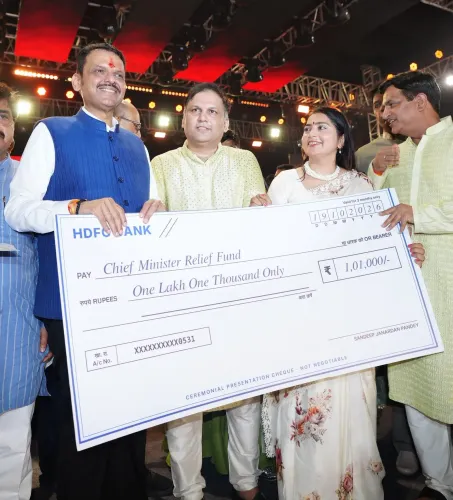
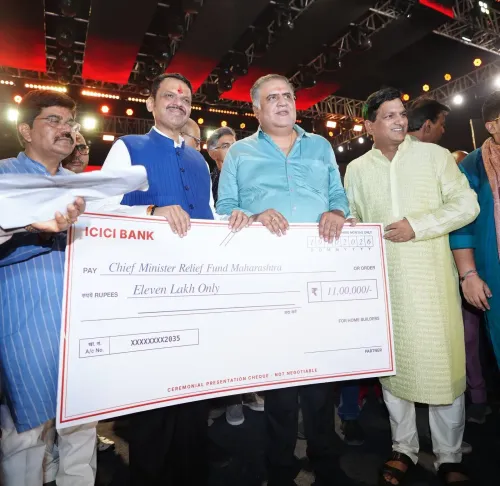
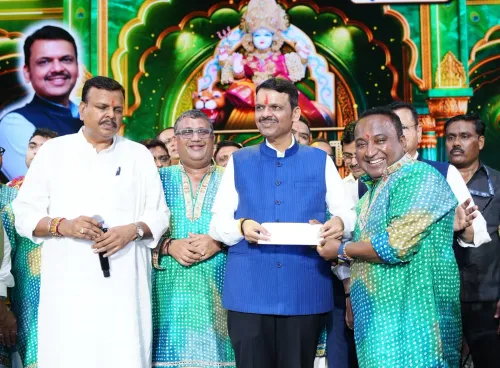
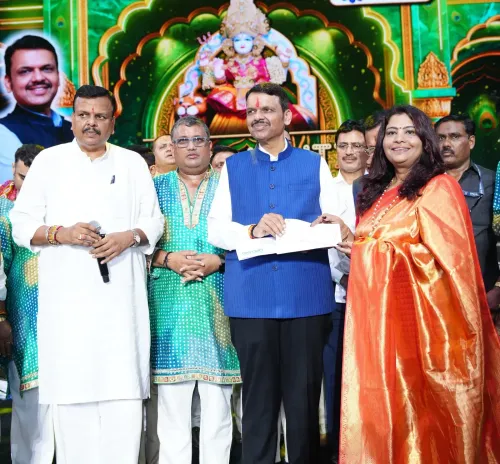
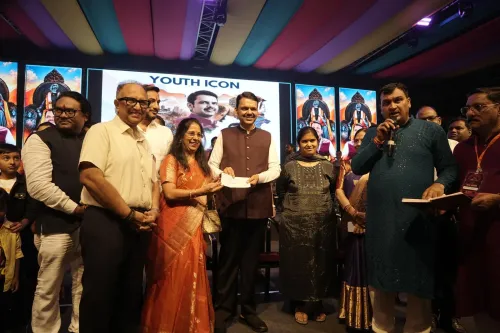
When a cooperative housing federation writes a cheque for drought-stricken farmers, it signals something beyond charity — it shows how Maharashtra's relief machinery draws on civil society to reach the most distressed corners of its agricultural heartland. Chief Minister Devendra Fadnavis received a donation of ₹5,00,000 for the Chief Minister's Relief Fund at Mumbai on 7 November 2026, handed over by MLA Pravin Darekar and MLA Prakash Darekar on behalf of the Mumbai District Co-operative Housing Federation.
The post from the Chief Minister's Office reads: 'मुख्यमंत्री देवेंद्र फडणवीस यांना... दुष्काळग्रस्त शेतकऱ्यांच्या मदतीसाठी 'मुख्यमंत्री सहाय्यता निधी'मध्ये ₹5,00,000 देणगीचा धनादेश सुपूर्द केला' — 'A donation cheque of ₹5,00,000 was presented to Chief Minister Devendra Fadnavis for the Chief Minister's Relief Fund to assist drought-affected farmers.' CM Fadnavis thanked the federation for the contribution.
Who is behind the cheque — and why a housing federation?
The Mumbai District Co-operative Housing Federation is a cooperative body, and in Maharashtra's political economy, cooperative organisations have long functioned as connective tissue between urban economic activity and rural relief. The two MLAs who presented the cheque — Pravin Darekar and Prakash Darekar — are associated with cooperative sector networks, making this a characteristic example of how elected representatives channel institutional resources toward the state's relief infrastructure.
The CM Relief Fund's role in Maharashtra's drought response
The Chief Minister's Relief Fund is Maharashtra's primary vehicle for fast-disbursing aid to victims of natural calamities, including agricultural drought. The state has a documented history of activating large-scale collections into this fund during drought seasons — a pattern that stretches back through several governments and acquired particular urgency during the severe water-scarcity episodes of the late 2010s. Contributions from cooperative bodies represent one consistent channel supplementing direct government allocations. Every cheque deposited expands the fund's capacity to reach farmers whose crops have failed before a formal budget package is assembled.
Point of View
With elected representatives acting as the visible bridge. For CM Fadnavis, every such public handover reinforces the administration's responsiveness to agrarian stress without waiting for a formal budget cycle. It also reflects the cooperative sector's enduring role in Maharashtra's political economy — a leverage point that successive governments have cultivated. Watch whether this triggers a broader donor mobilisation ahead of any formal drought declaration or supplementary relief package.
NationPress
7 Nov 2026
Frequently Asked Questions
What is the Chief Minister's Relief Fund in Maharashtra?
The Chief Minister's Relief Fund is a state-level fund used to provide quick financial assistance to victims of natural calamities such as droughts, floods, and other disasters in Maharashtra.
Who donated ₹5 lakh to the CM Relief Fund for drought farmers?
The Mumbai District Co-operative Housing Federation donated ₹5,00,000. The cheque was presented to CM Devendra Fadnavis by MLAs Pravin Darekar and Prakash Darekar on 7 November 2026.
What is the Mumbai District Co-operative Housing Federation?
It is a cooperative housing body based in Mumbai that, in this instance, contributed to drought relief efforts by donating to Maharashtra's Chief Minister's Relief Fund.
How does the CM Relief Fund help drought-affected farmers in Maharashtra?
The fund pools donations from organisations, individuals, and institutional sources to provide rapid financial relief to farmers and other calamity victims before formal government budget packages are finalized.
Who are Pravin Darekar and Prakash Darekar?
Pravin Darekar and Prakash Darekar are Maharashtra MLAs associated with the cooperative sector who presented the donation cheque to CM Fadnavis on behalf of the Mumbai District Co-operative Housing Federation.