CM Fadnavis Honours Sachin Tendulkar at Gateway of India
Synopsis
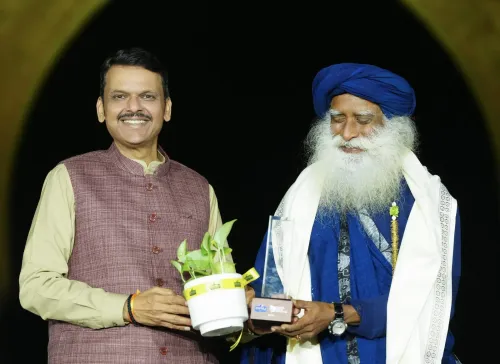
Maharashtra CM Devendra Fadnavis honoured Bharat Ratna Sachin Tendulkar with the 'Global Peace Honours 2026' at the Gateway of India, Mumbai, recognising the Sachin Tendulkar Foundation's work in bringing sport to tribal and underprivileged children, with special focus on girls.
Key Takeaways
CM Devendra Fadnavis presented the 'Global Peace Honours 2026' to Sachin Tendulkar at the Gateway of India, Mumbai on 22 November 2026 .
The honour recognises the Sachin Tendulkar Foundation (STF) 's work in giving tribal and underprivileged children access to football, basketball, wrestling, boxing and athletics.
The STF places particular emphasis on girls' participation in sport , addressing barriers in Maharashtra's rural and tribal communities.
Sachin Tendulkar was conferred the Bharat Ratna in 2014 , making him the first sportsperson to receive India's highest civilian honour.
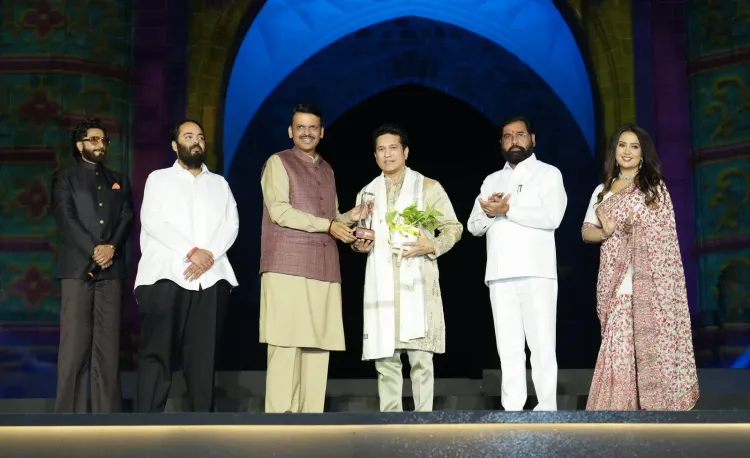
Senior officials present included DCM Eknath Shinde , DCM Sunetra Ajit Pawar , Anant Ambani of Reliance Industries, Amruta Fadnavis and actor Ranveer Singh .
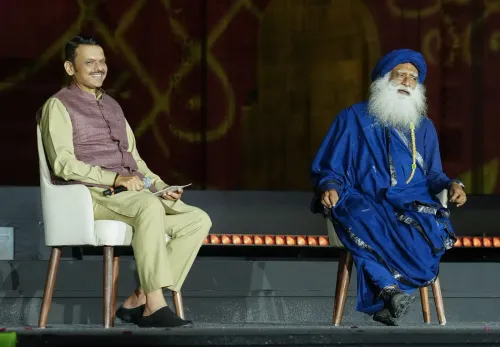
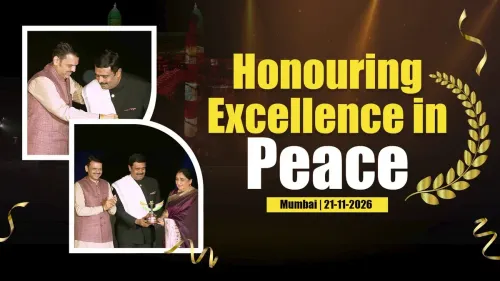
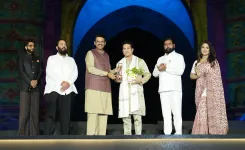
At the iconic Gateway of India in Mumbai, Maharashtra Chief Minister Devendra Fadnavis on Sunday, 22 November 2026 presented cricket legend and Bharat Ratna awardee Sachin Tendulkar with the 'Global Peace Honours 2026' — a recognition anchored not in his record-shattering batting career, but in what he has quietly built since hanging up his bat.
The honour, conferred through a state ceremony, spotlights Tendulkar's work via the Sachin Tendulkar Foundation (STF), which has opened pathways into competitive sport — football, basketball, wrestling, boxing and athletics — for children from tribal and underprivileged communities. The Foundation has placed particular emphasis on getting girls onto the field, an intervention that cuts against deeply entrenched barriers in many of Maharashtra's rural and tribal belts.
Who was in the room at the Gateway
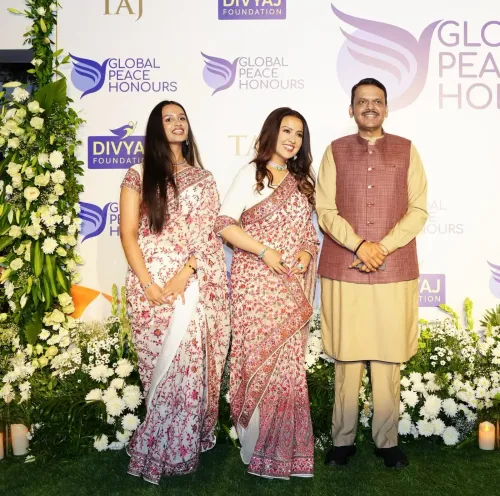
The ceremony drew a cross-section of Maharashtra's political and corporate establishment. Deputy Chief Minister Eknath Shinde and Deputy Chief Minister Sunetra Ajit Pawar attended alongside Amruta Fadnavis and actor Ranveer Singh. Anant Ambani, Executive Director of Reliance Industries Limited, was also present — a signal of the private sector's visibility in state-backed philanthropic moments of this scale.
The Gateway of India, Mumbai's waterfront colonial-era arch, is a deliberate stage choice. Maharashtra governments have long used the landmark for public honours of national icons, lending an open-air civic grandeur to ceremonies that would otherwise be confined to a Mantralaya hall.
What the Sachin Tendulkar Foundation actually does
The STF, operational since the mid-2010s, works in a space where India's sports development record has historically been uneven: reaching children in tribal districts and low-income urban pockets who have no access to coaching, equipment or competitive ladders. The Foundation's deliberate push on girls' participation echoes the broader national discourse on gender equity in sport — a conversation that has gained urgency in Maharashtra following the state's own sports infrastructure drives.
Tendulkar was conferred the Bharat Ratna in 2014, becoming the first sportsperson to receive India's highest civilian honour. More than a decade on, the Global Peace Honours gesture frames that legacy in a new register — not the century-scorer, but the foundation-builder.
Maharashtra's pattern of honouring sport's social architects
Chief Minister Fadnavis's government has made sports welfare a consistent thread in its public calendar, linking grassroots programmes to larger welfare and youth-development priorities. Felicitating a figure like Tendulkar for his philanthropic work — rather than simply his cricketing records — signals an intent to anchor the state's sporting identity around inclusion, not just elite achievement. Whether the ceremony translates into new STF-government partnerships or expanded district-level programming is the question Maharashtra's tribal communities will be watching closely.
The 'God of Cricket' has never really left the pitch. He just moved the boundary ropes to include everyone.
Point of View
The Fadnavis government is deliberately broadening Maharashtra's sporting identity toward social inclusion — a move that has political as well as developmental resonance ahead of ongoing welfare programme reviews. The involvement of Reliance's Anant Ambani signals growing convergence between state-backed initiatives and corporate CSR in the sports development space. The STF's focus on tribal girls in sport also aligns with central government pushes on gender equity in athletics, giving the Maharashtra government a useful national narrative to amplify. How much of this ceremony translates into concrete, funded programming — rather than symbolic felicitation — will determine its long-term impact on marginalised communities.
NationPress
22 Nov 2026
Frequently Asked Questions
What is the Global Peace Honours 2026?
The Global Peace Honours 2026 is an award presented to Sachin Tendulkar by Maharashtra CM Devendra Fadnavis at the Gateway of India on 22 November 2026 , recognising his philanthropic work through the Sachin Tendulkar Foundation for tribal and underprivileged children in sport.
What does the Sachin Tendulkar Foundation do?
The Sachin Tendulkar Foundation (STF) provides access to sports such as football, basketball, wrestling, boxing and athletics for children from tribal and underprivileged communities, with a particular focus on encouraging girls to participate in sport.
When was Sachin Tendulkar awarded the Bharat Ratna?
Sachin Tendulkar was conferred the Bharat Ratna in 2014 , becoming the first sportsperson in India to receive the country's highest civilian honour.
Who attended the Global Peace Honours 2026 ceremony in Mumbai?
The ceremony at the Gateway of India was attended by CM Devendra Fadnavis , DCM Eknath Shinde , DCM Sunetra Ajit Pawar , Anant Ambani of Reliance Industries, Amruta Fadnavis and actor Ranveer Singh .
Why was the Gateway of India chosen for the Sachin Tendulkar honour?
The Gateway of India in Mumbai is an iconic civic landmark that Maharashtra governments have traditionally used for high-profile public honours of national figures, lending ceremonial weight and visibility to the event.