CM Fadnavis Hosts Akie Abe at Mumbai's Varsha, Celebrates India-Japan Bonds
Synopsis
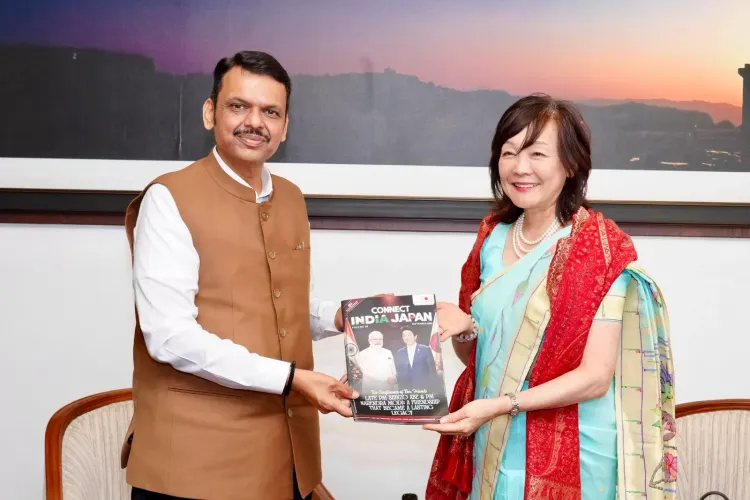
Maharashtra CM Devendra Fadnavis welcomed Akie Abe, widow of former Japanese PM Shinzo Abe, at Mumbai's 'Varsha' residence on October 11, 2026. Mrs. Abe shared reflections on Varanasi's spiritual parallels with Japan, while Fadnavis reaffirmed Maharashtra's commitment to deepening India-Japan cultural and people-to-people ties.
Key Takeaways
Akie Abe , widow of former Japanese PM Shinzo Abe , met Maharashtra CM Devendra Fadnavis at his official Mumbai residence 'Varsha' on October 11, 2026 .
Abe shared experiences from her visit to Varanasi , noting similarities between Indian and Japanese spiritual and religious traditions.
The Abe Memorial Corridor at Varanasi's Rudraksha International Convention Centre was highlighted as a tribute to India-Japan friendship and the Modi-Abe bond.
CM Fadnavis reaffirmed that Maharashtra and Japan share a growing relationship spanning cultural exchanges, education, tourism, and people-to-people ties.
The meeting underscores the continuing personal and civilisational dimensions of the India-Japan bilateral relationship beyond formal state-level diplomacy.
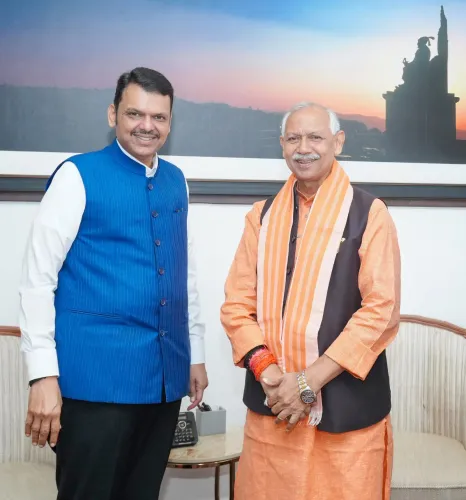
A quiet but symbolically charged meeting unfolded at Mumbai's official Chief Ministerial residence 'Varsha' on Sunday, October 11, 2026, when Maharashtra Chief Minister Devendra Fadnavis welcomed Mrs. Akie Abe, widow of assassinated former Japanese Prime Minister Shinzo Abe, reinforcing a friendship between two nations that runs far deeper than diplomacy.
From Varanasi's Ghats to Mumbai's Varsha
Mrs. Abe arrived at the meeting carrying fresh impressions from a visit to Varanasi, India's ancient spiritual capital on the banks of the Ganga. She shared her experiences with CM Fadnavis, drawing attention to what she described as striking parallels between India's ancient spiritual traditions and Japan's own religious practices — two civilisations, separated by thousands of kilometres, that have long found common ground in ritual, reverence, and the sacred.
The conversation naturally turned to the Abe Memorial Corridor at Varanasi's Rudraksha International Convention Centre, a tribute built to honour the late Prime Minister's deep personal and political connection with India. The corridor stands as a permanent marker of the extraordinary bond between Prime Minister Narendra Modi and Shinzo Abe — two leaders whose personal chemistry helped elevate India-Japan ties into one of Asia's most consequential strategic partnerships.
Maharashtra's Longstanding Japan Connection
The meeting was not purely ceremonial. CM Fadnavis underscored that Maharashtra and Japan share a longstanding and growing relationship — built on cultural exchanges, educational partnerships, tourism, and people-to-people connections. Maharashtra, as India's economic powerhouse and home to Mumbai, has historically been a preferred destination for Japanese investment and industrial collaboration, particularly in the automotive and manufacturing sectors.
By hosting Mrs. Abe at his official residence, Fadnavis signalled Maharashtra's intent to keep that relationship personal, not just transactional — a reminder that state-level diplomacy can carry its own quiet weight in shaping bilateral ties.
Shinzo Abe's India Legacy, Kept Alive
Shinzo Abe, who was assassinated in July 2022, remains one of the most consequential figures in modern India-Japan relations. His friendship with PM Modi — forged over multiple bilateral summits, the Quad's revival, and landmark defence and infrastructure agreements — reshaped how the two democracies see each other in the Indo-Pacific. The Abe Memorial Corridor in Varanasi is among the most visible Indian tributes to his legacy.
Mrs. Akie Abe's continued engagement with India, years after her husband's passing, speaks to the durability of that personal and civilisational connection — one that CM Fadnavis now pledges Maharashtra will actively nurture.
The flags may be different, but the intent is unmistakable: India and Japan are building a relationship meant to outlast any single leader.
Point of View
CM Fadnavis is positioning Maharashtra as an active participant in India's broader Indo-Pacific diplomatic architecture, not merely a passive beneficiary of central government foreign policy. It also reinforces the BJP's long-standing strategy of keeping the Shinzo Abe legacy visible — the late PM's friendship with Modi remains a powerful narrative asset for the ruling party. At the state level, Fadnavis is likely signalling to Japanese industry and investors that Maharashtra remains the preferred gateway for Japan-linked economic partnerships. The Varanasi-Japan civilisational thread Mrs. Abe chose to highlight suggests that people-to-people and spiritual diplomacy are increasingly being woven into the India-Japan relationship as durable connective tissue.
NationPress
11 Oct 2026
Frequently Asked Questions
Who is Akie Abe and why did she visit India?
Akie Abe is the widow of former Japanese Prime Minister Shinzo Abe, who was assassinated in July 2022. She visited India and met Maharashtra CM Devendra Fadnavis in Mumbai on October 11, 2026, continuing her personal engagement with India following her husband's close ties with PM Modi.
What is the Abe Memorial Corridor in Varanasi?
The Abe Memorial Corridor is a tribute to former Japanese PM Shinzo Abe located at the Rudraksha International Convention Centre in Varanasi. It commemorates his deep friendship with PM Narendra Modi and the broader India-Japan bilateral relationship.
Where did CM Fadnavis meet Akie Abe?
The meeting took place at 'Varsha', the official residence of the Maharashtra Chief Minister in Mumbai, on October 11, 2026.
What are the key areas of Maharashtra-Japan ties?
Maharashtra and Japan share ties across cultural exchanges, educational partnerships, tourism, and people-to-people connections, in addition to significant economic and industrial collaboration, particularly in manufacturing.
What did Akie Abe say about Varanasi?
Mrs. Akie Abe shared her experiences from a visit to Varanasi, highlighting striking similarities between India's ancient spiritual traditions and Japan's religious practices, reflecting the deep civilisational bonds between the two nations.