CM Fadnavis Joins Wari Palkhi Procession in Solapur on Birthday
Synopsis
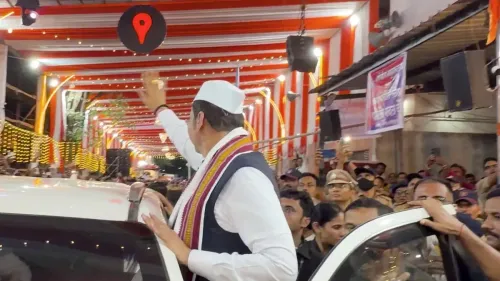
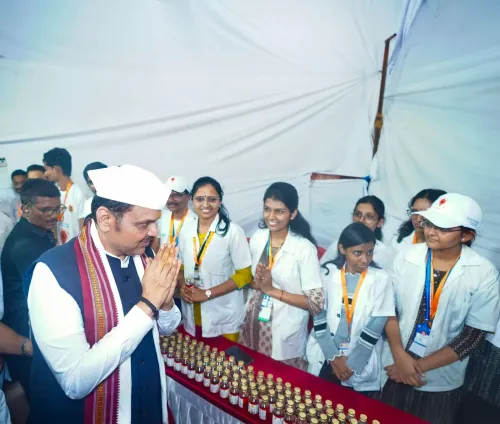
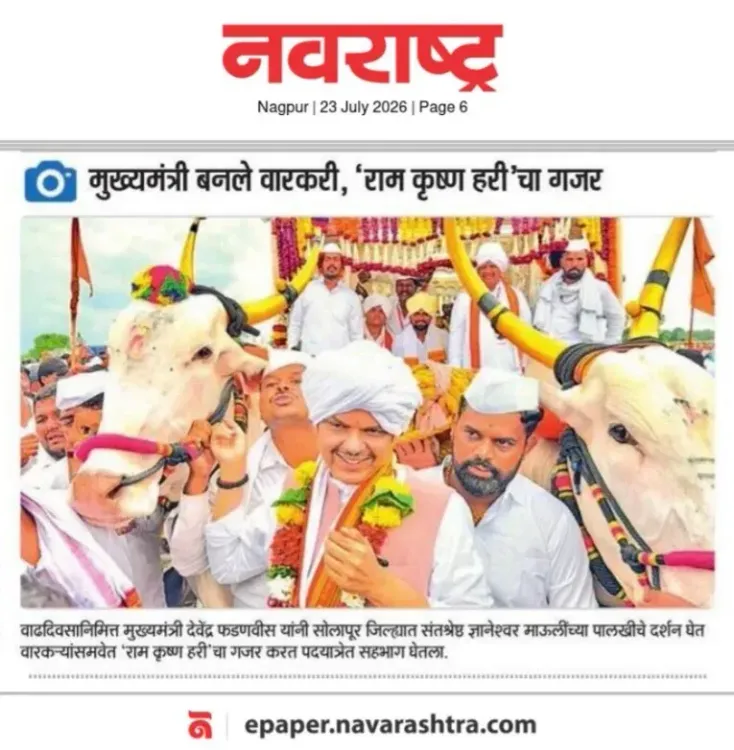
Chief Minister Devendra Fadnavis joined the Wari foot procession in Solapur district on his birthday, seeking darshan of Sant Dnyaneshwar Maharaj's palkhi and chanting 'Ram Krishna Hari' alongside warkaris during the 2026 annual pilgrimage to Pandharpur.
Key Takeaways
Devendra Fadnavis participated in the annual Wari padayatra in Solapur district on 23 July 2026 , his birthday.
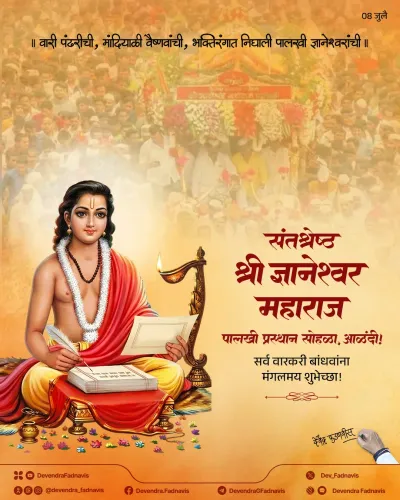
He sought darshan of the palkhi of Sant Dnyaneshwar Maharaj , the 13th-century Varkari saint-poet.
Fadnavis chanted 'Ram Krishna Hari' alongside warkaris during the foot march.
The Wari is a centuries-old annual pilgrimage in which lakhs of devotees march to Pandharpur .
The CMO of Maharashtra shared the news officially on X, tagging @Dev_Fadnavis .
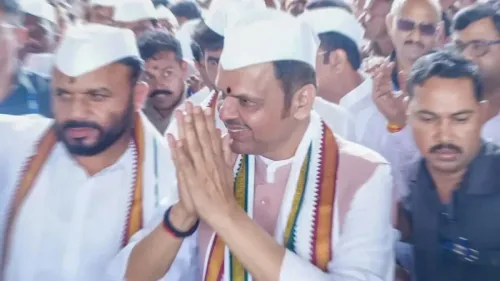
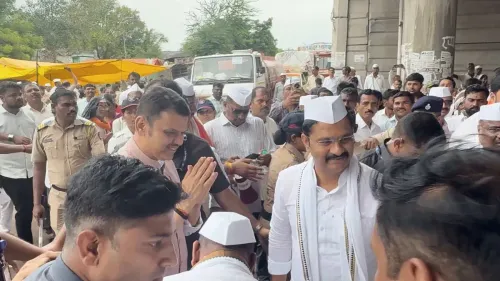
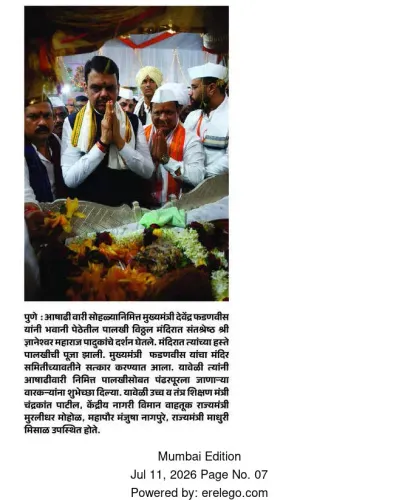
The Chief Minister's Office of Maharashtra announced on Thursday, 23 July 2026 that Chief Minister Devendra Fadnavis participated in the annual Wari pilgrimage procession in Solapur district, joining warkaris for a padayatra (foot march) alongside the palkhi of Sant Dnyaneshwar Maharaj — and doing so on the occasion of his own birthday.
The CMO's post noted that Fadnavis sought the blessings of Santashreshtha Shri Dnyaneshwar Maharaj yanchya palkhiche darshan gheta (the palkhi of the supreme saint Dnyaneshwar Maharaj) and chanted 'Ram Krishna Hari' alongside the pilgrims, joining the collective devotional call that defines the Wari tradition.
Context
The Wari is a centuries-old annual pilgrimage in Maharashtra in which lakhs of devotees — known as warkaris — walk hundreds of kilometres to the temple town of Pandharpur, accompanying the ceremonial palanquins (palkhis) of revered saints. The palkhi of Sant Dnyaneshwar Maharaj, the 13th-century saint-poet from Alandi near Pune, is among the most prominent in the procession and passes through Solapur district on its route to Pandharpur.
The chant 'Ram Krishna Hari' is the defining refrain of the Varkari movement, echoing through the procession as warkaris march in devotion. Participation in this march carries deep spiritual and cultural significance for Maharashtra's Hindu communities.
Policy Backdrop
Maharashtra's state government has historically coordinated logistics, crowd management, and civic amenities along the Wari route to facilitate the safe passage of millions of pilgrims each year. The administration of Solapur district plays a key role in managing the palkhi's passage through the region, coordinating with local bodies and security agencies.
Political leaders across party lines in Maharashtra have periodically joined segments of the Wari, reflecting the pilgrimage's broad social reach and its importance to the state's cultural identity. Such participation blends personal religious observance with public community outreach.
Stakeholders and Impact
The primary stakeholders are the warkaris — the lakhs of devotees who undertake the foot pilgrimage each year — along with local communities along the Wari route in districts including Solapur. For them, the Wari is not merely a religious event but a living tradition of Maharashtra's Bhakti heritage.
The Chief Minister's visible participation alongside ordinary pilgrims carries symbolic weight, signalling state-level recognition of the Varkari movement's centrality to Maharashtra's social and spiritual life. It also draws public attention to the scale and importance of the pilgrimage.
What's Next
The 2026 Wari procession is expected to continue on its route toward Pandharpur, with the Dnyaneshwar palkhi completing its journey in time for the traditional gathering. Any state announcements regarding pilgrim facilities, road management, or crowd safety measures along the remaining route will be closely watched by local administrations and devotee groups alike.
Point of View
Reinforcing his government's alignment with Maharashtra's dominant Varkari devotional tradition. The Wari draws lakhs of pilgrims and commands deep reverence across caste and class lines, making it a significant space for political visibility. Across Maharashtra's political history, participation in the Wari has served as a marker of cultural rootedness rather than mere electoral optics. The gesture also fits a broader pattern of the current state government actively engaging with religious and cultural institutions to consolidate its social base.
NationPress
21 Oct 2026
Frequently Asked Questions
Why did CM Devendra Fadnavis join the Wari in Solapur?
Fadnavis joined the Wari pilgrimage procession in Solapur on his birthday, 23 July 2026, to seek the blessings of Sant Dnyaneshwar Maharaj's palkhi and participate in the devotional tradition alongside warkaris.
What is the Wari pilgrimage in Maharashtra?
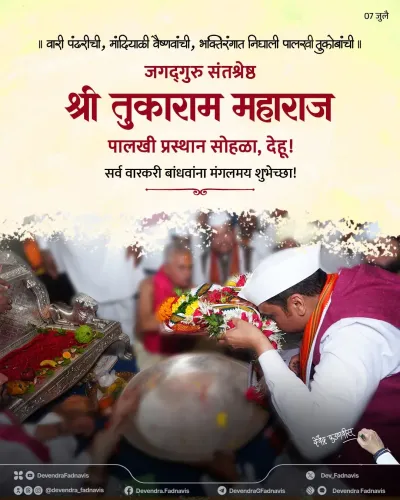
The Wari is a centuries-old annual pilgrimage in which lakhs of devotees called warkaris walk to Pandharpur, accompanying the palkhis (palanquins) of revered saints such as Dnyaneshwar Maharaj and Tukaram Maharaj.
Who is Sant Dnyaneshwar Maharaj?
Sant Dnyaneshwar Maharaj was a 13th-century saint-poet from Alandi, Maharashtra, and a foundational figure of the Varkari Bhakti movement. His palkhi is one of the most prominent in the annual Wari procession.
What does 'Ram Krishna Hari' mean in the Wari context?
'Ram Krishna Hari' is the central devotional chant of the Varkari movement, sung continuously by warkaris as they march during the Wari pilgrimage. It is an invocation of the divine and defines the spiritual atmosphere of the procession.
Which district does the Dnyaneshwar Maharaj palkhi pass through?
The palkhi of Sant Dnyaneshwar Maharaj passes through Solapur district as part of its route from Alandi toward the temple town of Pandharpur in Maharashtra.