CM Fadnavis Kicks Off Nashik-Trimbakeshwar Simhastha Kumbh 2027
Synopsis
Chief Minister Devendra Fadnavis attended the sacred flag-worship ritual at Kushavarta Tirtha, Trimbakeshwar on 31 October 2026, formally inaugurating the countdown to the Nashik-Trimbakeshwar Simhastha Maha Kumbh Mela 2027, one of the world's largest pilgrimages held every twelve years.
Key Takeaways
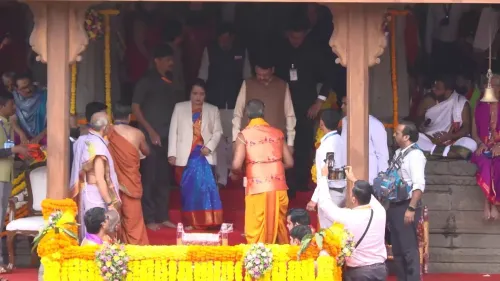
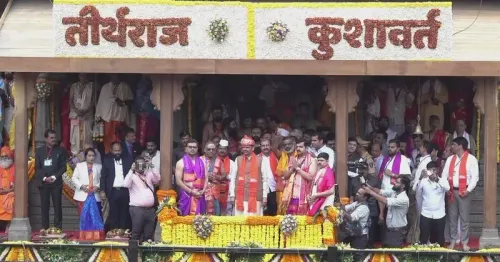
Chief Minister Devendra Fadnavis attended the dhwajastambha va pavitra dhwajpujan at Kushavarta Tirtha, Trimbakeshwar on 31 October 2026 .
The flag-worship ceremony formally marks the start of the Nashik-Trimbakeshwar Simhastha Maha Kumbh Mela 2027 cycle.
Fadnavis received blessings from assembled saints, sages, and mahants during the ritual.
The Simhastha Kumbh at Nashik-Trimbakeshwar occurs once every twelve years , timed to Jupiter's transit through Leo.
The 2015 Nashik Simhastha drew an estimated 75 million pilgrims ; the state's Nashik-Trimbak Kumbh Mela Authority (NTKMA) is coordinating preparations for 2027.
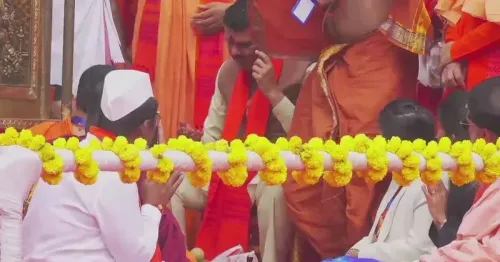
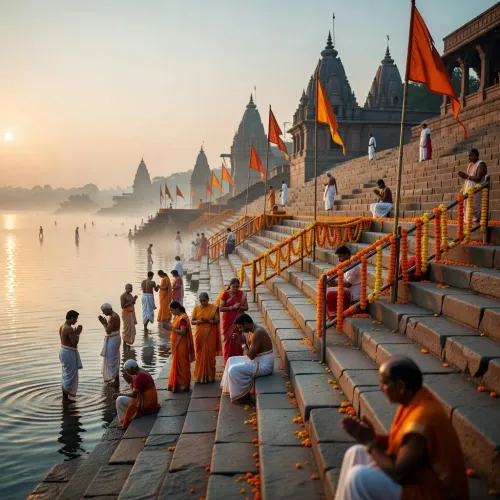
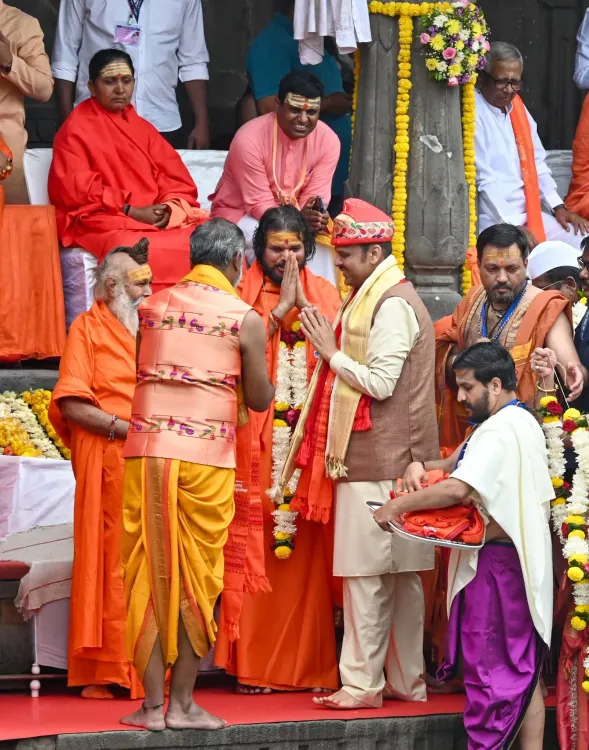
At the sacred banks of Kushavarta Tirtha in Trimbakeshwar, Maharashtra Chief Minister Devendra Fadnavis on Saturday, 31 October 2026, offered reverence to saints, sages, and mahants as the formal flag-worship ceremony — dhwajastambha va pavitra dhwajpujan — marking the launch of the Nashik-Trimbakeshwar Simhastha Maha Kumbh Mela 2027 got underway. The ritual hoisting of the sacred flag is not a formality; it is the moment a Kumbh cycle officially begins.
What the flag ceremony at Kushavarta Tirtha signifies
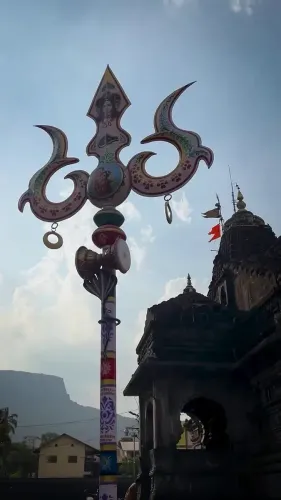
Kushavarta Tirtha is the holiest tank within the Trimbakeshwar temple complex — considered the source of the Godavari river — and is the spiritual nerve-centre of every Nashik-Trimbakeshwar Kumbh. The dhwajpujan (flag worship) is a Vedic ritual in which the ceremonial banner is consecrated in the presence of the heads of major akharas and monastic orders, signalling to the wider pilgrim community that the countdown to the full mela has formally begun.
Chief Minister Fadnavis received blessings (aashirvaad) from the assembled saints and mahants, a gesture that carries both spiritual and political weight — a sitting chief minister publicly aligning state administration with one of Hinduism's largest congregational events.
Simhastha 2027: the scale of what Maharashtra is preparing for
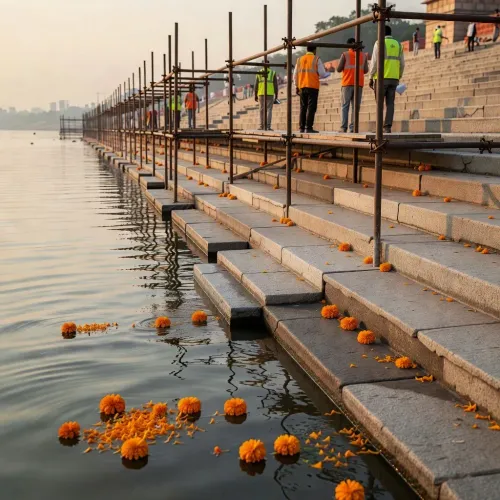
The Simhastha Kumbh at Nashik-Trimbakeshwar occurs once every twelve years, timed to the position of Jupiter (Simha rashi) in Leo. It is among the four rotating Kumbh sites — alongside Prayagraj, Haridwar, and Ujjain — and consistently draws tens of millions of pilgrims over its multi-week span. The 2015 Nashik Simhastha recorded an estimated 75 million visitors, making large-scale infrastructure and crowd-management planning a years-long undertaking. The state government, through the Nashik-Trimbak Kumbh Mela Authority (NTKMA), has already begun coordinating that effort — the flag ceremony is, in effect, the administrative starting gun.
Fadnavis, faith, and Maharashtra's governance calendar
For the Mahayuti alliance government led by Fadnavis, anchoring the Simhastha launch in person carries clear significance. Kumbh infrastructure — roads, ghats, sanitation, pilgrim shelters, security — represents one of the largest concentrated public-works bursts a state government undertakes. Being seen as the chief minister who 'opened' the Simhastha cycle positions his administration as both the spiritual facilitator and the logistical guarantor of an event the world will watch.
The hashtag #SimhasthaKumbhMela trended alongside the Chief Minister's Office's post, signalling that the digital mobilisation of the devout has already begun — more than a year before the first shahi snan (royal bath) date.
With the sacred flag now flying over Trimbakeshwar, the clock for one of humanity's largest peaceful gatherings has officially started — and Maharashtra's government has made clear it intends to own every milestone between now and the mela's opening bath.
Point of View
Not merely a religious event. With the 2015 Nashik Kumbh drawing roughly 75 million visitors, the 2027 edition will be a defining test of Maharashtra's infrastructure delivery. Fadnavis, who also holds the Home portfolio, has strong incentives to be identified as the architect of a smooth, well-managed mela. The ceremony also reinforces a broader pattern of state governments across India using Kumbh cycles to consolidate cultural legitimacy alongside administrative credibility.
NationPress
31 Oct 2026
Frequently Asked Questions
When is the Nashik Trimbakeshwar Simhastha Kumbh Mela 2027?
The Nashik-Trimbakeshwar Simhastha Kumbh Mela is scheduled for 2027. The exact dates for the key shahi snan (royal bath) rituals have not yet been officially announced, but the countdown was formally launched with a flag-worship ceremony on 31 October 2026.
What is the significance of Kushavarta Tirtha in Trimbakeshwar?
Kushavarta Tirtha is a sacred tank within the Trimbakeshwar temple complex widely regarded as the origin point of the Godavari river. It is the spiritual focal point of every Nashik Simhastha Kumbh Mela.
What is Simhastha Kumbh Mela and why does it happen every 12 years?
Simhastha refers to the position of planet Jupiter ( Brihaspati ) in the Leo zodiac sign ( Simha rashi ). This celestial alignment occurs roughly every 12 years, determining the timing of the Kumbh at Nashik-Trimbakeshwar.
What is the NTKMA in the context of Kumbh Mela?
NTKMA stands for the Nashik-Trimbak Kumbh Mela Authority, the Maharashtra government body responsible for planning, infrastructure, security, and administration of the Nashik-Trimbakeshwar Kumbh Mela.
How many people attended the last Nashik Simhastha Kumbh?
The 2015 Nashik Simhastha Kumbh Mela drew an estimated 75 million pilgrims, making it one of the largest human gatherings on the planet that year.