CM Fadnavis Launches 'Drug Free Mumbai' Anti-Addiction Drive
Synopsis
Chief Minister Devendra Fadnavis launched the 'Drug Free Mumbai' campaign on July 30, 2026, framing drug trafficking as a foreign conspiracy against India's youth and calling for a collective war spanning police, schools, parents, and citizens — with a 3-to-4-year target to achieve a drug-free Maharashtra.
Key Takeaways
Chief Minister Devendra Fadnavis launched the 'Drug Free Mumbai' anti-drug awareness campaign in Mumbai on July 30, 2026 .
Fadnavis framed drug trafficking as a covert foreign conspiracy to weaken India by trapping its youth in addiction.
The campaign extends PM Narendra Modi's national Nasha Mukt Bharat Abhiyan , first launched centrally in 2020 .
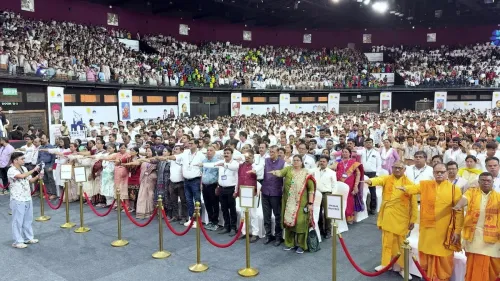
Schools, colleges, and universities are designated as the 'eyes' of the campaign; students are urged to pledge 'Say No to Drugs' .
A confidential tip-off system with future rewards is introduced for citizens who report drug sales, supply, or addiction cases.
Fadnavis set a 3-to-4-year timeline to achieve a drug-free Mumbai, Maharashtra, and India through collective action.
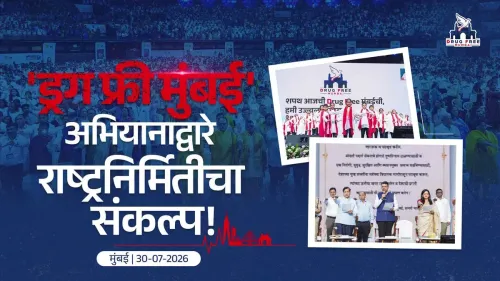
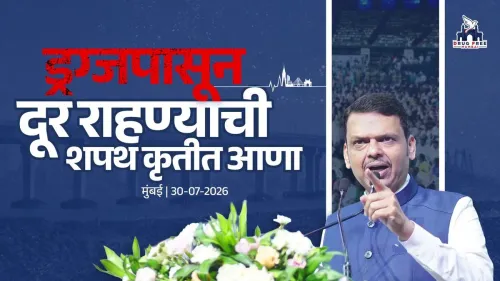
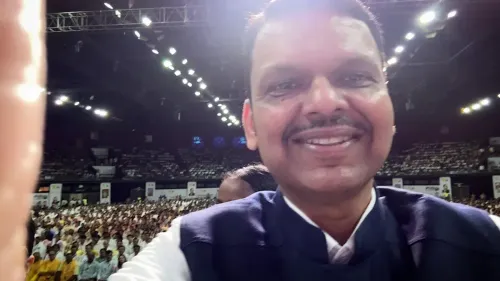
Mumbai's war on drugs got a formal battle cry on Thursday, July 30, 2026, when Chief Minister Devendra Fadnavis personally launched the 'Drug Free Mumbai' (ड्रग फ्री मुंबई) awareness campaign in the city — framing drug trafficking not merely as a law-and-order problem, but as a covert foreign conspiracy targeting India's youth.
A conspiracy to weaken India from within
Fadnavis struck a sharp geopolitical note at the launch. 'Since India cannot be defeated on the battlefield, a hidden conspiracy is being waged to trap its youth in the grip of narcotics and weaken the country from within,' he said. He added that certain elements within the country, lured by money, are also participating in these operations — making the network more entrenched. The charge was direct, and deliberate.
He anchored the campaign explicitly to Prime Minister Narendra Modi's national resolve of a 'Nasha Mukt Bharat' (drug-free India), calling on every citizen to collectively work towards a 'Drug Free Mumbai' and a 'Drug Free Maharashtra'. The state campaign is an extension of the Nasha Mukt Bharat Abhiyan, the central scheme launched in 2020 by the Ministry of Social Justice and Empowerment.
Schools and colleges as the eyes of the campaign
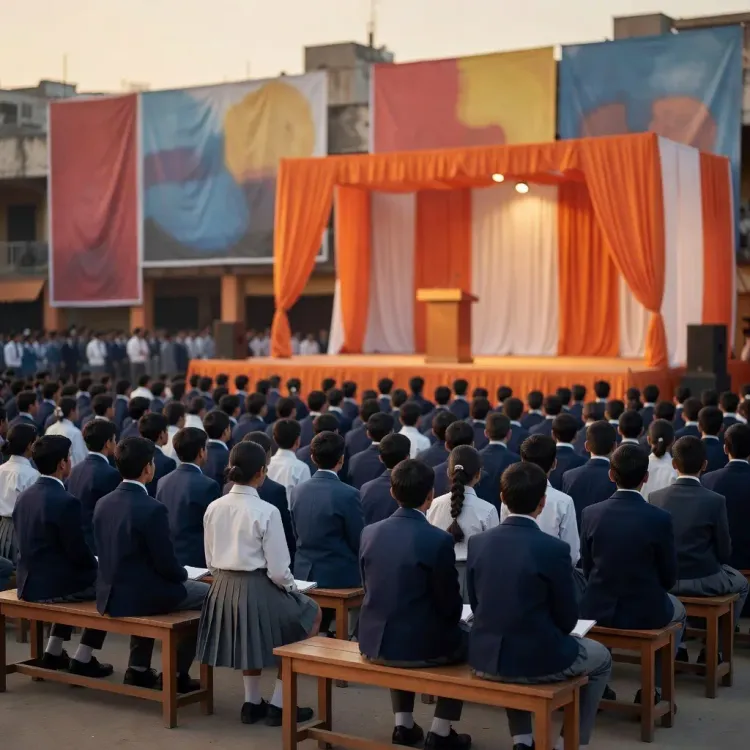
Fadnavis was unambiguous about where the frontline is: classrooms. 'Schools, colleges, and universities are the eyes of the Drug Free Mumbai campaign,' he said, urging educational institutions to drive awareness among students. He called on young people to take a personal pledge — 'Say No to Drugs' — and to resist any temptation or pressure without exception.
The campaign is designed to cut across departmental silos. Fadnavis stated that the fight against drugs is not the police's alone — it requires a collective war involving the health department, social justice department, school education department, teachers, students, and parents. Enforcement against supply, production, and trafficking will continue, but without active community participation, he said, the campaign cannot succeed.
Guerrilla tactics against drug mafias — and rewards for tipsters
In a vivid invocation, Fadnavis called for dismantling the drug mafia's entire network using the guerrilla warfare strategy (गनिमी कावा) of Chhatrapati Shivaji Maharaj, Maharashtra's revered warrior-king. The reference was pointed — a call for swift, intelligence-driven strikes rather than frontal confrontation.
Crucially, the Chief Minister announced a public tip-off mechanism: anyone who reports drug sales, supply chains, or addiction cases to the administration will have their identity kept fully confidential, and will be rewarded and honoured in the future. It is a direct attempt to activate the city's most underused anti-drug asset — ordinary citizens with ground-level knowledge.
A 3-to-4-year deadline for a drug-free state
Fadnavis set a concrete horizon: if everyone works together, a 'Drug Free Mumbai', 'Drug Free Maharashtra', and ultimately a 'Nasha Mukt Bharat' can be achieved within the next 3 to 4 years. India, he noted, has the world's largest youth population — and that demographic dividend is also its greatest vulnerability if left unguarded. 'These young people are tomorrow's doctors, engineers, and scientists,' he said. 'A firm resolve among students against drugs is essential.'
Minister Mangalprabhat Lodha and other dignitaries were present at the launch.
The clock is now running. Maharashtra has named the target, set the timeline, and handed every citizen a role. Whether the campaign's community architecture can match the scale of Mumbai's drug supply chains will be the real test — and the next few months in schools and neighbourhoods will tell that story.
Point of View
Fadnavis is doing more than launching a welfare campaign — he is politically recasting drug enforcement as a matter of national security and civilisational pride, a framing that resonates with the BJP's broader Viksit Bharat messaging. The 3-to-4-year timeline is also notable: it aligns conveniently with the electoral cycle, giving the government a measurable promise to campaign on. The community tip-off mechanism with rewards signals an intent to build a citizen-intelligence layer around enforcement — a model that, if implemented seriously, could supplement police capacity in a city as complex as Mumbai. Whether the campaign moves beyond launch-event optics into sustained institutional change across Maharashtra's education and health departments will determine its real legacy.
NationPress
30 Jul 2026
Frequently Asked Questions
What is the Drug Free Mumbai campaign?
'Drug Free Mumbai' is an anti-drug awareness campaign launched by Chief Minister Devendra Fadnavis in Mumbai on July 30, 2026 , aimed at eliminating drug use and trafficking through a combination of enforcement, community participation, and awareness drives in schools and colleges.
What is the Nasha Mukt Bharat Abhiyan?
The Nasha Mukt Bharat Abhiyan is a central government scheme launched in 2020 by the Ministry of Social Justice and Empowerment to reduce drug abuse across India through awareness, rehabilitation, and community outreach. Maharashtra's Drug Free Mumbai campaign aligns with this national framework.
How can citizens report drug activity under the Drug Free Mumbai campaign?
Chief Minister Fadnavis announced that citizens can report drug sales, supply, or addiction cases directly to the administration. The identity of informants will be kept fully confidential , and they will be rewarded and honoured in the future.
What is Devendra Fadnavis's timeline for a drug-free Maharashtra?
Fadnavis stated that with collective effort from all sections of society, a Drug Free Mumbai, Drug Free Maharashtra , and Nasha Mukt Bharat can be achieved within the next 3 to 4 years .
Who was present at the Drug Free Mumbai launch event?
Chief Minister Devendra Fadnavis launched the campaign, with Minister Mangalprabhat Lodha and other dignitaries present at the event in Mumbai.