CM Fadnavis launches farmer debt-relief scheme booklet, two other publications
Synopsis
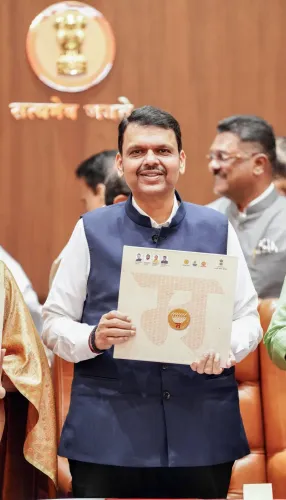
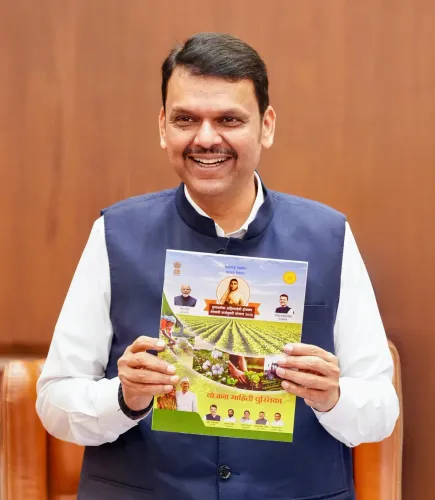
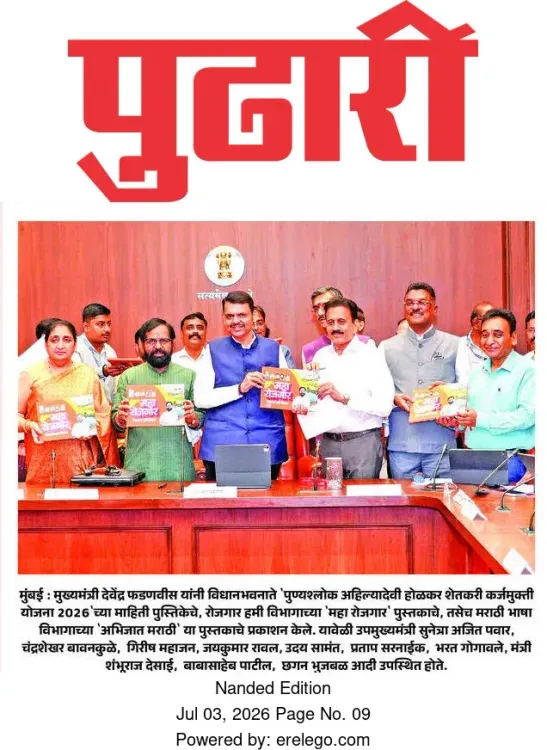
Chief Minister Devendra Fadnavis released three official publications at Vidhan Bhavan, Mumbai on 3 July 2026 — the information booklet for the Punyashlok Ahilyadevi Holkar Shetkari Karjmukti Yojana 2026, the Maha Rojgar employment book, and the Abhijat Marathi language volume.
Key Takeaways
Chief Minister Devendra Fadnavis released three official publications at Vidhan Bhavan, Mumbai on 3 July 2026 .
The information booklet for the Punyashlok Ahilyadevi Holkar Shetkari Karjmukti Yojana 2026 — a state farmer loan-waiver scheme — was among the releases.
The Rozgar Hami Vibhag (Employment Guarantee Department) released Maha Rojgar , a book on employment guarantee programmes.
The Marathi Bhasha Vibhag released Abhijat Marathi , a publication promoting the Marathi language.
Maharashtra's Employment Guarantee Scheme has been operational since 1972 , predating the national MGNREGA framework.
Eligibility criteria and fund allocation for the 2026 farmer debt-relief scheme are yet to be officially announced.
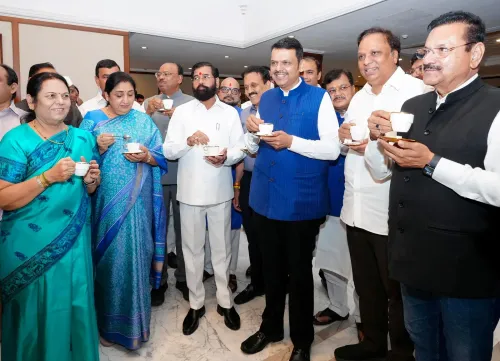
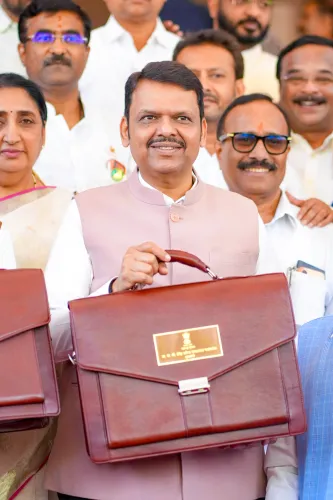
Chief Minister Devendra Fadnavis, at Vidhan Bhavan, Mumbai, on 3 July 2026, released the information booklet for the 'Punyashlok Ahilyadevi Holkar Shetkari Karjmukti Yojana 2026' — a state farmer debt-relief scheme — along with two other official publications, the Chief Minister's Office of Maharashtra announced on X.
Context
The CMO post states that Fadnavis launched three publications at the state legislature complex: the information booklet for the farmer loan-waiver scheme named after the 18th-century Holkar ruler Ahilyadevi Holkar; 'Maha Rojgar' ('Maha Employment'), a book from the Rozgar Hami Vibhag (Employment Guarantee Department); and 'Abhijat Marathi' ('Classical Marathi'), a publication from the Marathi Bhasha Vibhag (Marathi Language Department). The three releases took place in a single sitting at Vidhan Bhavan.
Policy Backdrop
The farmer debt-relief scheme continues a recurring pattern of agricultural loan-waiver measures in Maharashtra. The Fadnavis government had similarly approved a large-scale farmer loan waiver in 2017, covering dues owed to cooperative and nationalised banks. Naming the 2026 scheme after Punyashlok Ahilyadevi Holkar carries symbolic weight, invoking the 18th-century queen widely regarded as a patron of farmers and public welfare in the Marathi-speaking region.
The Maha Rojgar publication falls under the ambit of Maharashtra's Employment Guarantee Scheme, which has operated continuously since 1972 — predating the national MGNREGA framework by more than three decades. The Abhijat Marathi book reflects the state government's ongoing efforts to document and promote the Marathi language, which received classical language status from the central government.
Stakeholders and Impact
The primary beneficiaries of the Punyashlok Ahilyadevi Holkar Shetkari Karjmukti Yojana 2026 are expected to be small and marginal farmers across Maharashtra burdened by agricultural loans. The information booklet is intended to publicise eligibility and application processes ahead of wider rollout. Such publications at Vidhan Bhavan typically precede the dissemination of operational guidelines and budgetary allocation phases.
Rural workers and employment-guarantee beneficiaries stand to gain from the Maha Rojgar initiative, while Marathi language advocates and educational institutions are the target audience for the Abhijat Marathi publication. Taken together, the three releases signal the state government's intent to consolidate welfare and cultural messaging through official documentation.
What's Next
Specific eligibility criteria, fund allocation, and implementation timelines for the 2026 farmer debt-relief scheme are yet to be made public. Observers will watch for operational guidelines in the upcoming monsoon or winter assembly sessions. The rollout of the Maha Rojgar and Abhijat Marathi initiatives will similarly depend on the publication of detailed guidelines by the respective departments.
Point of View
Rural employment, and language promotion — at Vidhan Bhavan is a deliberate act of policy signalling by the Fadnavis administration ahead of what could be a legislative or budgetary push. Naming the farmer scheme after Ahilyadevi Holkar taps into a powerful cultural symbol in Maharashtra, lending the debt-relief initiative a populist framing that resonates with rural voters. The pairing with Abhijat Marathi reflects the government's dual strategy of economic welfare and identity politics, both of which have been central to the ruling coalition's electoral calculus. Whether these publications translate into concrete, time-bound implementation will be the real test of intent.
NationPress
3 Jul 2026
Frequently Asked Questions
What is the Punyashlok Ahilyadevi Holkar Shetkari Karjmukti Yojana 2026?
It is a Maharashtra state government farmer debt-relief scheme named after the 18th-century Holkar ruler Ahilyadevi Holkar. Chief Minister Devendra Fadnavis released its information booklet at Vidhan Bhavan on 3 July 2026. Specific eligibility criteria and fund allocation are yet to be publicly announced.
What is the Maha Rojgar book released by CM Fadnavis?
'Maha Rojgar' is a publication from Maharashtra's Rozgar Hami Vibhag (Employment Guarantee Department), released at Vidhan Bhavan on 3 July 2026. It documents the state's employment guarantee programmes, which have been operational since 1972.
What is Abhijat Marathi and why was it released?
'Abhijat Marathi' is a publication from the Maharashtra government's Marathi Bhasha Vibhag (Marathi Language Department), aimed at promoting and documenting the Marathi language. It was released by CM Devendra Fadnavis at Vidhan Bhavan, Mumbai on 3 July 2026.
Who is Ahilyadevi Holkar and why is a farmer scheme named after her?
Ahilyadevi Holkar was an 18th-century Holkar dynasty ruler widely regarded as a patron of farmers and public welfare in the Marathi-speaking region. The Maharashtra government named its 2026 farmer debt-relief scheme after her as a mark of cultural and historical honour.
When will the Maharashtra farmer debt relief scheme 2026 be implemented?
The implementation timeline, eligibility criteria, and budgetary outlay for the Punyashlok Ahilyadevi Holkar Shetkari Karjmukti Yojana 2026 have not yet been officially announced. Operational guidelines are expected to emerge in upcoming assembly sessions.