CM Fadnavis Launches Six Tech Projects for Mumbai Police
Synopsis
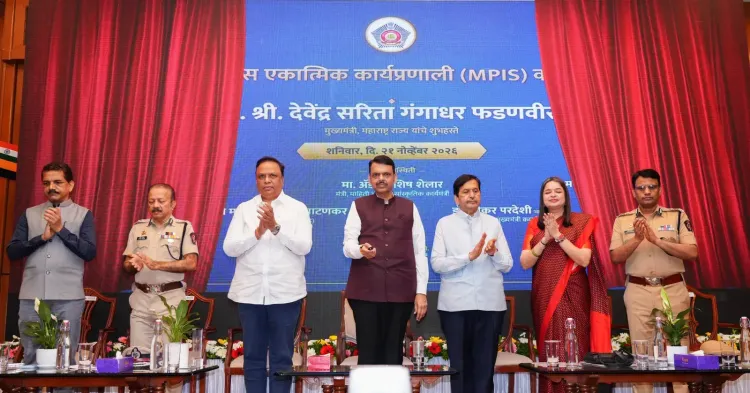
Chief Minister Devendra Fadnavis launched six technology projects for the Brihanmumbai Police Commissionerate on 21 November 2026, including a Citizen App, Digi ID Smart Card, Smart Tablets, MPIS, Samvaad App, Pratyancha Fusion Centre, and an Anti-Narcotics Forensic Van — a sweeping digital push for India's largest city police force.
Key Takeaways
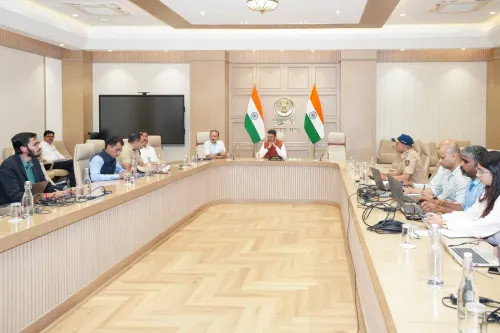
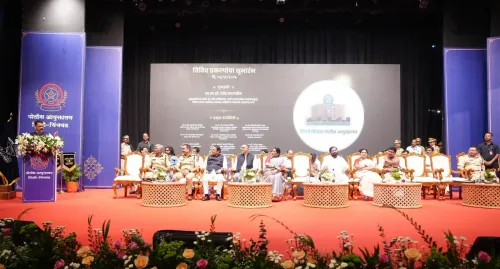
Six projects launched simultaneously for the Brihanmumbai Police Commissionerate at Sahyadri Guest House, Mumbai on 21 November 2026 .
The Mumbai Police Citizen App and Digi ID Smart Card create new digital touchpoints between residents and the force.
Pratyancha — Mumbai Police Fusion Centre integrates intelligence streams across units, building on India's national CCTNS framework dating to 2009 .
An Anti-Narcotics Investigation and Forensic Van brings laboratory-grade forensic capability directly to crime scenes.
Ministers Mangal Prabhat Lodha and Adv.
Ashish Shelar attended, signalling cabinet-level political commitment to the initiative.
Real-world impact will hinge on user adoption of the Citizen App and MPIS, and on measurable improvements in narcotics investigation timelines.
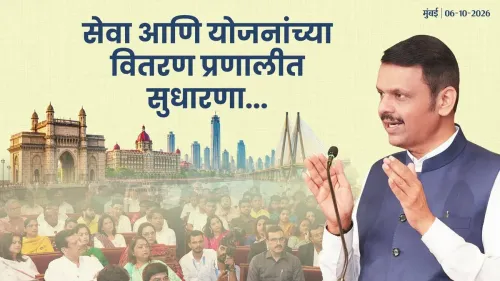
Six technology-enabled initiatives that could reshape how Mumbai's 12-million-strong metropolis interacts with its police force were launched in a single sweep on 21 November 2026 — and the man at the podium was Chief Minister Devendra Fadnavis, a leader who has consistently tied his governance identity to digital infrastructure. The Chief Minister's Office of Maharashtra confirmed the rollout at Sahyadri Guest House, Mumbai, covering everything from a citizen-facing smartphone app to a dedicated anti-narcotics forensic van.
Six tools, one afternoon: what was actually launched
The Brihanmumbai Police Commissionerate unveiled six distinct projects in one ceremony. The Mumbai Police Citizen App is designed to give residents a direct digital channel to the force. The Digi ID Smart Card aims to modernise officer identification and verification. Smart Tablets will equip field personnel with real-time data access on patrol.
The Mumbai Police Information System (MPIS) and the Samvaad App together form the backbone of internal communication and data management. Most ambitiously, Pratyancha — the Mumbai Police Fusion Centre — is built to integrate intelligence streams across units. Rounding out the package, an Anti-Narcotics Investigation and Forensic Van brings laboratory-grade capability directly to crime scenes.
Pratyancha and the Fusion Centre model
The Fusion Centre concept — aggregating feeds from surveillance, crime records, and field units into a single analytical hub — represents the sharpest edge of this package. India's national Crime and Criminal Tracking Network and Systems (CCTNS) framework, approved as far back as 2009, laid the policy groundwork for exactly this kind of data integration across state police forces. Maharashtra is now operationalising that vision at the city level through Pratyancha.
The forensic van addresses a chronic bottleneck in narcotics enforcement: the gap between seizure and laboratory analysis. By bringing forensic capability to the field, investigators can accelerate case-building at the point of arrest — a change that defence lawyers and prosecutors alike will feel in court timelines.
Cabinet presence and political weight behind the push
Minister Mangal Prabhat Lodha and Minister Adv. Ashish Shelar were present alongside senior police officials, signalling that this is a cabinet-level priority rather than a departmental exercise. Fadnavis, who served as Chief Minister from 2014 to 2019 before returning to the role, has consistently positioned technology adoption as a marker of his administration's governance philosophy. The choice of Sahyadri Guest House — the state's official venue for high-profile government functions — underlined the ceremony's institutional weight.
What adoption will actually look like on the ground
Launches make headlines; rollouts make the difference. The real test for the Mumbai Police Citizen App will be download numbers and active usage among a city population that already navigates dozens of government apps with mixed results. For MPIS, the question is data quality and inter-unit cooperation — systems are only as powerful as the officers trained to use them.
For the Fusion Centre, measurable impact will show up — or fail to — in cross-unit coordination on high-profile cases. Mumbai's anti-narcotics units, under sustained pressure from trafficking networks that exploit the city's port and financial infrastructure, stand to gain the most immediately from both the forensic van and the intelligence integration that Pratyancha promises.
Maharashtra has set the bar. The stopwatch starts now.
Point of View
But the gap between launch ceremony and operational effectiveness has historically been wide in Indian public-sector tech deployments. The CCTNS framework has been in motion since 2009, meaning Maharashtra is catching up rather than pioneering — the question is whether execution speed and training investment will be any different this time. Citizens and civil-liberties observers will watch Pratyancha closely: fusion centres that aggregate surveillance data raise legitimate questions about oversight mechanisms that the government has not yet publicly addressed.
NationPress
21 Nov 2026
Frequently Asked Questions
What is the Mumbai Police Citizen App?
The Mumbai Police Citizen App is a new smartphone application launched on 21 November 2026 to give Mumbai residents a direct digital channel to access police services and information.
What is Pratyancha, the Mumbai Police Fusion Centre?
Pratyancha is a newly launched intelligence integration hub for the Brihanmumbai Police Commissionerate that aggregates data streams across police units to improve coordination and situational awareness.
What is the Anti-Narcotics Forensic Van launched by CM Fadnavis?
It is a mobile forensic unit assigned to Mumbai Police's anti-narcotics teams, designed to conduct on-site scientific analysis at the point of seizure, speeding up the investigation and prosecution process.
Who launched the Mumbai Police tech projects in 2026?
Chief Minister Devendra Fadnavis launched all six projects at Sahyadri Guest House, Mumbai, on 21 November 2026, with Ministers Mangal Prabhat Lodha and Adv. Ashish Shelar also present.
What is the Mumbai Police Information System (MPIS)?
MPIS is a newly launched data management and information system for the Brihanmumbai Police Commissionerate, complemented by the Samvaad App for internal communication among police personnel.