CM Fadnavis leads Chhath Mahaparv at Juhu Chowpatty
Synopsis
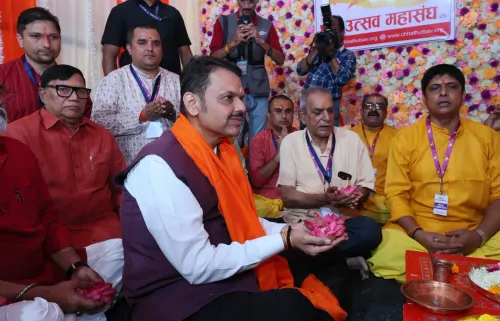
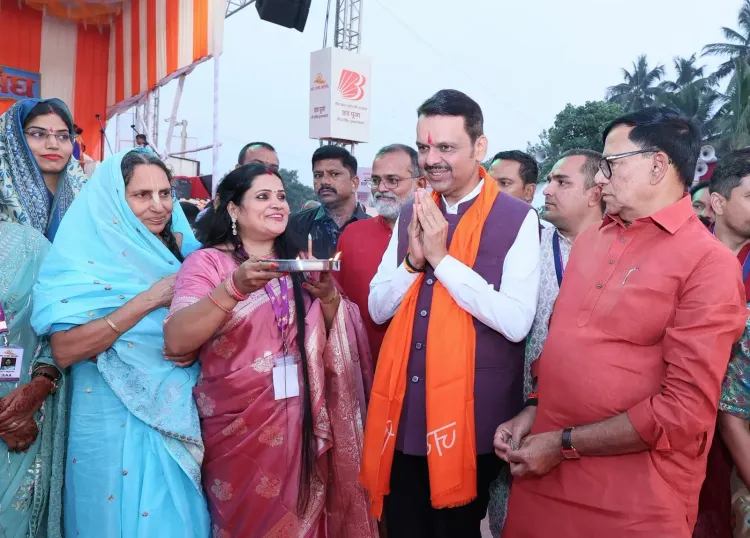
Chief Minister Devendra Fadnavis led the Chhath Mahaparv at Juhu Chowpatty on 15 November 2026, calling the festival a symbol of national unity that transcends caste and religion. He highlighted permanent state facilities for women devotees in place since 2014.
Key Takeaways
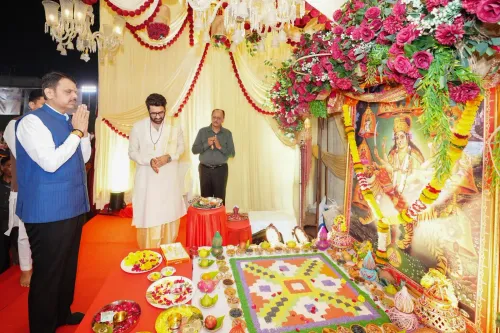
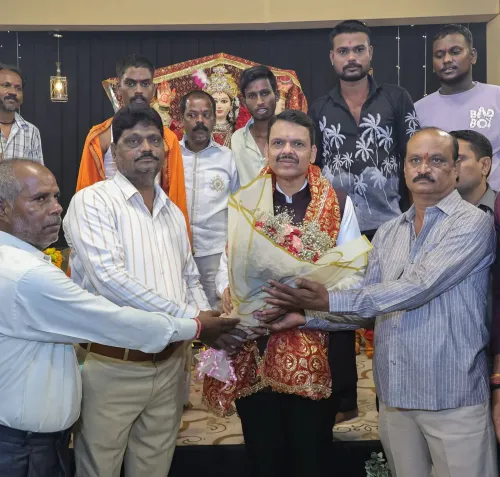
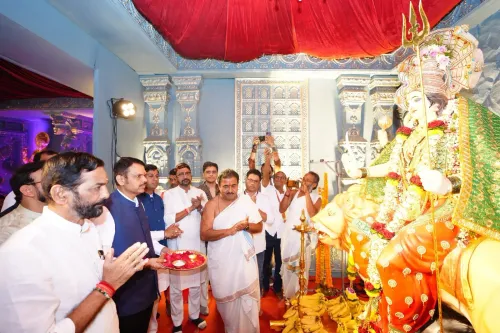
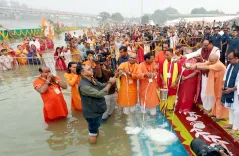
Chief Minister Devendra Fadnavis presided over the Chhath Mahaparv organised by Chhath Utsav Mahasangh at Juhu Chowpatty, Mumbai on 15 November 2026 .
Fadnavis described the festival as a confluence of gratitude and national unity, saying Surya Narayan and Chhathi Maiya bless all devotees regardless of caste, language, or economic status.
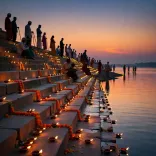
Both the setting sun and the rising sun receive arghya offerings during Chhath, a ritual the CM highlighted as central to the festival's theology.
Since 2014 , the Maharashtra government has maintained permanent safety and convenience infrastructure for women observing the nirjala vrat at beaches overnight.
MLA Amit Satam and other dignitaries attended alongside the Chief Minister.
The event underscores the state's deliberate recognition of Bihar and eastern UP migrant communities' cultural practices as part of Maharashtra's mainstream identity.
Two oceans converged at Juhu Chowpatty on Sunday, 15 November 2026 — one of water, one of faith. Thousands of devotees gathered at Mumbai's iconic shoreline for Chhath Mahaparvv, as Chief Minister Devendra Fadnavis led the celebrations organised by the Chhath Utsav Mahasangh, lending the full weight of the Maharashtra government to one of India's most demanding acts of devotion.
What CM Fadnavis said at the ghats
Speaking to devotees gathered at the beach, Fadnavis framed the festival in expansive terms: 'Indian festivals and celebrations are a manifestation of our ancient and eternal culture. They perform the vital task of bringing together all sections of society and strengthening national unity.' He pointed to the rare sight before him — the endless sea of water and an equally vast sea of believers — as a living argument for India's civilisational continuity.
The Chief Minister underlined the festival's core theology: 'The Sun is the primary source of energy; it is because of its light that life on earth and plant life become possible. Chhath Puja is an important festival to express gratitude to Surya Narayan for human life, agriculture, and family welfare.' He also noted that both the setting and the rising sun receive offerings — a rare ritual acknowledgement of twilight as well as dawn.
His sharpest message was about equality: 'Surya Narayan, water, and Chhathi Maiya make no distinctions. Regardless of caste, religion, language, region, or economic condition, everyone who offers arghya with faith receives blessings. This is the broad teaching of this festival.'
Permanent facilities for Chhath women devotees since 2014
Beyond the symbolism, Fadnavis pointed to concrete state action. Since 2014, the Maharashtra government has established permanent safety and convenience arrangements specifically for women observing the Chhath vrata at beaches. Because devotees performing the strict nirjala vrat (a waterless fast) are present at the chowpatty well into the night, dedicated infrastructure — lighting, security, sanitation — has been made a fixture rather than an annual scramble.
MLA Amit Satam and other dignitaries were present at the event alongside the Chief Minister.
Chhath in Mumbai: a migrant community's festival goes mainstream
Chhath Puja is traditionally observed by communities from Bihar and eastern Uttar Pradesh, and Mumbai's vast migrant population has carried the festival to the city's shoreline for decades. The scale of the Juhu gathering reflects how thoroughly the festival has taken root in Maharashtra's cultural calendar. Official participation by the state's highest office signals a deliberate policy of recognising migrant communities' cultural life as integral to Maharashtra's identity — not parallel to it.
The Chhath Utsav Mahasangh's role as organiser also illustrates how community-led institutions and state machinery have learned to co-produce major urban festivals, pooling logistical reach with cultural legitimacy.
When the sun rises over the Arabian Sea tomorrow morning and devotees offer their final arghya, the infrastructure the state put in place will either hold or reveal its gaps — and that test, year after year, is what turns a political gesture into genuine governance.
Point of View
A vote bloc that has grown politically consequential across Maharashtra's urban seats. By anchoring the state's participation since 2014, the CM also claims institutional continuity — framing the festival's infrastructure as governance, not mere optics. The equality-of-faith rhetoric threads Chhath into the ruling party's cultural nationalism narrative, presenting a Hindutva that is pan-regional rather than regionally exclusive. Whether the permanent-facilities promise holds up to scrutiny during the overnight vigil will determine whether this political investment pays real dividends.
NationPress
15 Nov 2026
Frequently Asked Questions
Where was Chhath Puja celebrated in Mumbai in 2026?
The Chhath Mahaparv in Mumbai was held at Juhu Chowpatty , where thousands of devotees gathered to offer arghya to the Sun God on 15 November 2026 .
Who organised the Chhath Mahaparv in Maharashtra?
The event was organised by the Chhath Utsav Mahasangh , with Chief Minister Devendra Fadnavis attending as the chief guest.
What did CM Fadnavis say about Chhath Puja and national unity?
Fadnavis said Indian festivals are a manifestation of the country's ancient culture and strengthen national unity by bringing all sections of society together, adding that Chhathi Maiya blesses everyone regardless of caste, religion, or language.
What facilities has the Maharashtra government provided for Chhath devotees?
Since 2014 , the Maharashtra government has put permanent safety, lighting, and convenience arrangements in place for women performing the nirjala vrat , who remain at the beach overnight for prayers.
Why is Chhath Puja celebrated at Mumbai beaches?
Mumbai has a large migrant population from Bihar and eastern Uttar Pradesh who observe Chhath Puja traditionally at rivers or water bodies; the city's beaches, especially Juhu Chowpatty , serve as the ritual venue for the community's sunrise and sunset offerings.