CM Yogi Predicts UNESCO Recognition for Ayodhya Deepotsav
Synopsis
Chief Minister Yogi Adityanath declared on November 15, 2026, that UNESCO will one day recognise Ayodhya's Deepotsav, the annual festival of lights on the Sarayu ghats that the UP government has staged every year since 2017.
Key Takeaways
CM Yogi Adityanath publicly predicted UNESCO recognition for Ayodhya's Deepotsav on November 15, 2026 .
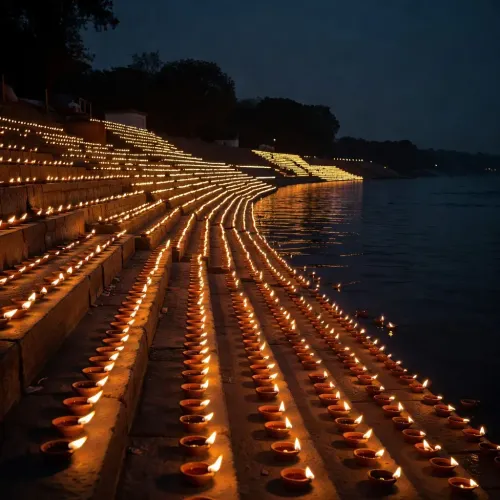
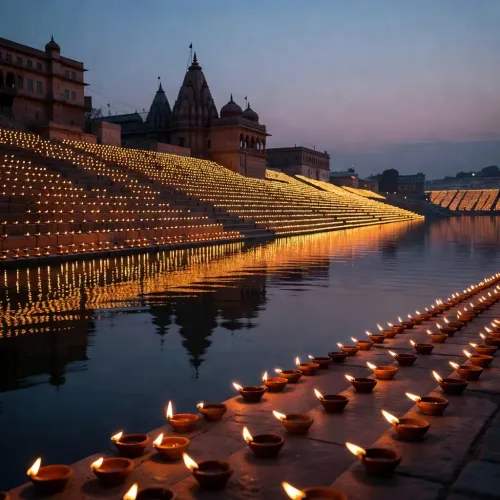
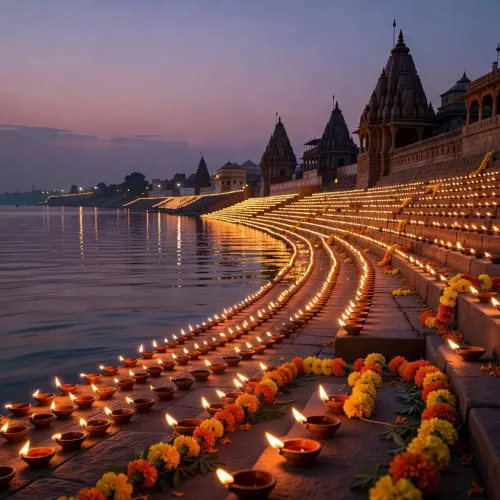
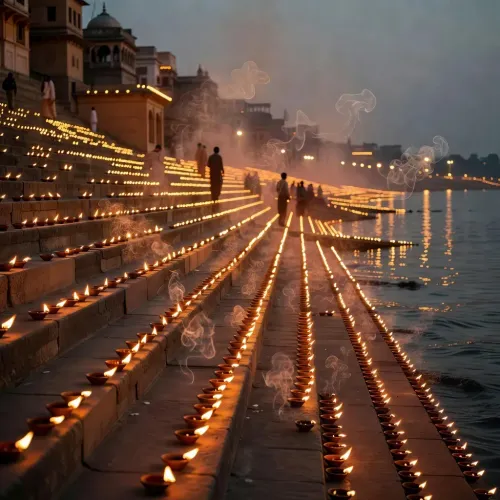
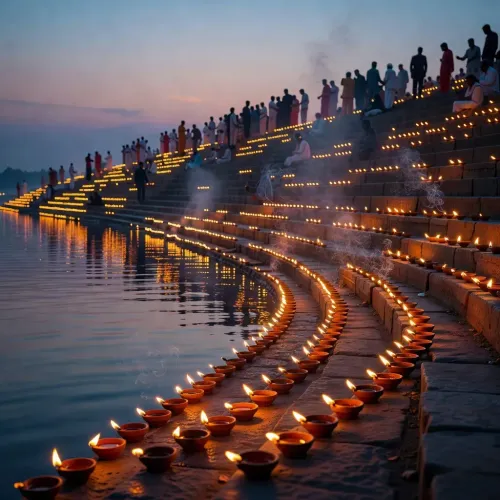
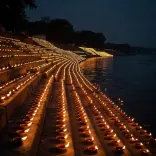
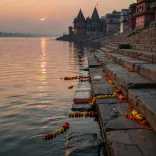
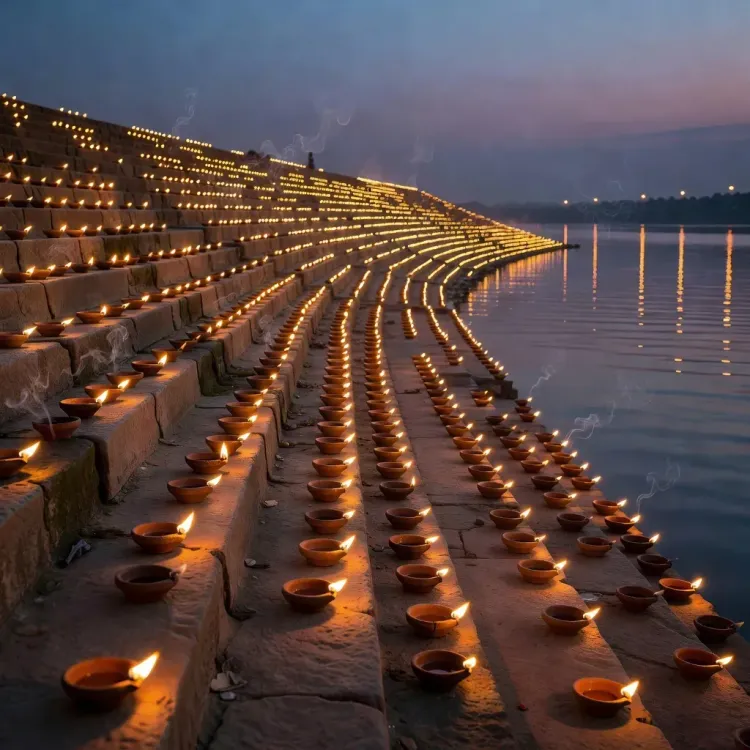
The Uttar Pradesh government has organised Deepotsav annually since 2017 , illuminating the Sarayu river ghats with hundreds of thousands of earthen lamps.
UNESCO's Intangible Cultural Heritage listing requires a formal national nomination and documented community significance — no active nomination for Deepotsav is confirmed in public records.
India already holds multiple UNESCO Intangible Cultural Heritage entries, including Kumbh Mela and Kolkata's Durga Puja (listed in 2021).
The statement signals a likely policy push to formalise a UNESCO nomination, connecting to Ayodhya's broader cultural tourism ambitions post Ram Mandir consecration.
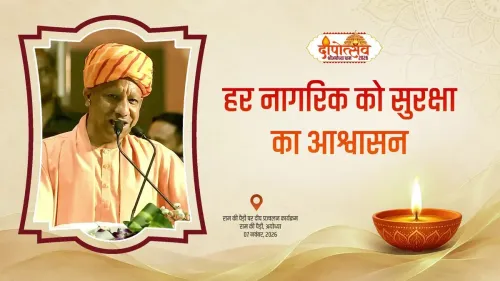
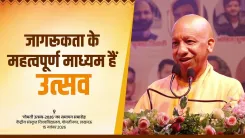
A bold declaration from the highest office in Uttar Pradesh — and a vision cast not in bureaucratic language but in straight-talking confidence. Chief Minister Yogi Adityanath told the world on Sunday, November 15, 2026, that Ayodhya's annual festival of lights will one day earn the global stamp it deserves: UNESCO recognition. The statement was shared by the Chief Minister's Office of Uttar Pradesh on X.
Translated from Hindi, the CM's words were unambiguous: 'Aap yaad rakhiye, ek din UNESCO Ayodhya ke Deepotsav ko manyata dega' — 'Remember this: one day UNESCO will recognise Ayodhya's Deepotsav.' Short. Declarative. No hedging.
What Deepotsav has become since 2017
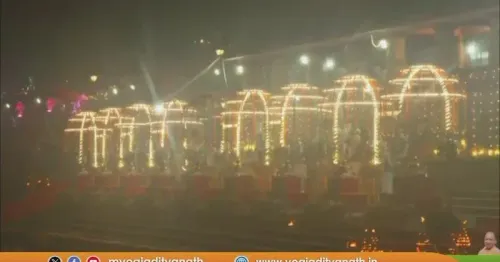
When the Uttar Pradesh government first organised Deepotsav in 2017, it was a statement of intent — a reimagining of Ayodhya as not just a pilgrimage town but a living cultural landmark. Each year since, the ghats of the Sarayu river have been lit by hundreds of thousands of earthen lamps, with the event growing in scale, spectacle, and national media attention. The festival draws its energy from the legend of Lord Rama's return to Ayodhya, and in recent years it has anchored the city's identity alongside the Ram Mandir project.
The UNESCO Intangible Cultural Heritage pathway
UNESCO's Intangible Cultural Heritage list — the route CM Yogi's statement implicitly points toward — is not a simple certification. Countries submit nominations through a formal process reviewed by an Intergovernmental Committee. India already holds several entries on the list, including Yoga, Kumbh Mela, Vedic chanting, and Kolkata's Durga Puja, admitted in 2021. Deepotsav would need a credible national-level nomination backed by documentation of the festival's community significance, historical continuity, and safeguarding measures.
As of now, no confirmed active UNESCO nomination for Deepotsav exists in public records. The CM's statement is a forward-looking aspiration — but in Indian politics, public declarations of this kind often precede formal state action on the ground.
Ayodhya's rising cultural and tourism ambitions
The push for international recognition fits a broader strategic arc. Uttar Pradesh has consistently positioned Ayodhya at the centre of its heritage tourism pitch, investing in infrastructure, river-front development, and cultural programming since the Ram Mandir consecration. State governments across India have learned that UNESCO listing — whether for a site or an intangible practice — translates directly into tourism arrivals, global media coverage, and diplomatic soft power. For Ayodhya, a UNESCO nod for Deepotsav would be a multiplier unlike any other.
CM Yogi's confidence may yet prove prescient. The watch now is on whether this verbal commitment becomes a formal submission — and how soon.
Point of View
And UP will not miss that lesson. Whether the declaration translates into a formal nomination file depends on Central government coordination, since UNESCO submissions go through the Ministry of Culture in New Delhi. The statement also lifts Deepotsav above a state-level event, projecting it as a civilisational asset — a framing that serves Ayodhya's long-term tourism economy regardless of whether recognition ever arrives.
NationPress
15 Nov 2026
Frequently Asked Questions
What is Ayodhya Deepotsav?
Deepotsav is an annual festival of lights held in Ayodhya, Uttar Pradesh, in which the ghats of the Sarayu river are illuminated with hundreds of thousands of earthen lamps to mark the return of Lord Rama. The Uttar Pradesh government has organised it every year since 2017.
Has Deepotsav been nominated for UNESCO recognition?
No confirmed active UNESCO nomination for Deepotsav exists in public records as of November 2026. CM Yogi Adityanath's statement is a forward-looking aspiration, not an announcement of a filed nomination.
How does a festival get UNESCO Intangible Cultural Heritage status?
A country submits a nomination file to UNESCO's Intergovernmental Committee, documenting the practice's community significance, historical continuity, and safeguarding measures. In India, the Ministry of Culture coordinates submissions.
Which Indian festivals already have UNESCO recognition?
India's UNESCO Intangible Cultural Heritage entries include Yoga, Vedic chanting, Kumbh Mela, and Kolkata's Durga Puja, which was listed in 2021.
Why is CM Yogi pushing for UNESCO recognition for Deepotsav?
UNESCO listing boosts international tourism, global media visibility, and diplomatic soft power. For Ayodhya, which is already a major pilgrimage hub post Ram Mandir consecration, a UNESCO nod for Deepotsav would significantly amplify its cultural and economic profile.