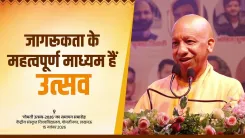
CM Yogi calls Gomti 'soul of Lucknow' at Gomti Utsav
Synopsis
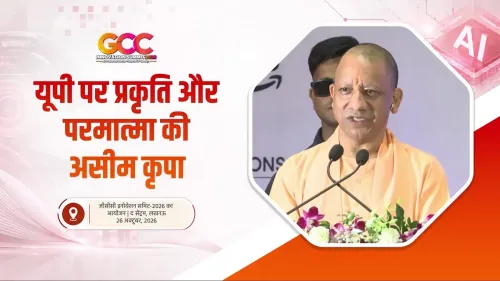
Chief Minister Yogi Adityanath addressed Gomti Utsav in Lucknow on 15 November 2026, calling the Gomti River the soul of Lucknow and invoking its sacred identity as Aadi Ganga, linking river civilisations to India's pilgrimage traditions.
Key Takeaways
CM Yogi Adityanath addressed the Gomti Utsav in Lucknow on 15 November 2026 .
He described the Gomti River as 'the soul of Lucknow' and recognised it as Aadi Ganga .
He stated that all world civilisations developed on the banks of rivers, and that India's major pilgrimage sites are riverbank-based.
Gomti Utsav is an annual cultural festival in Lucknow celebrating the river's heritage.
The Namami Gange programme, launched in 2014 , includes conservation components for tributaries such as the Gomti.
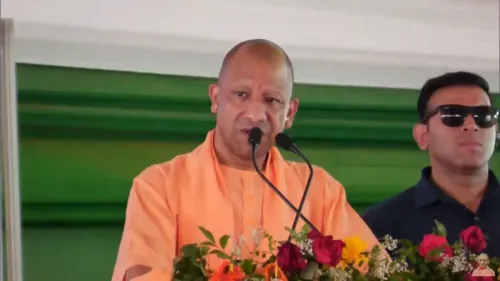
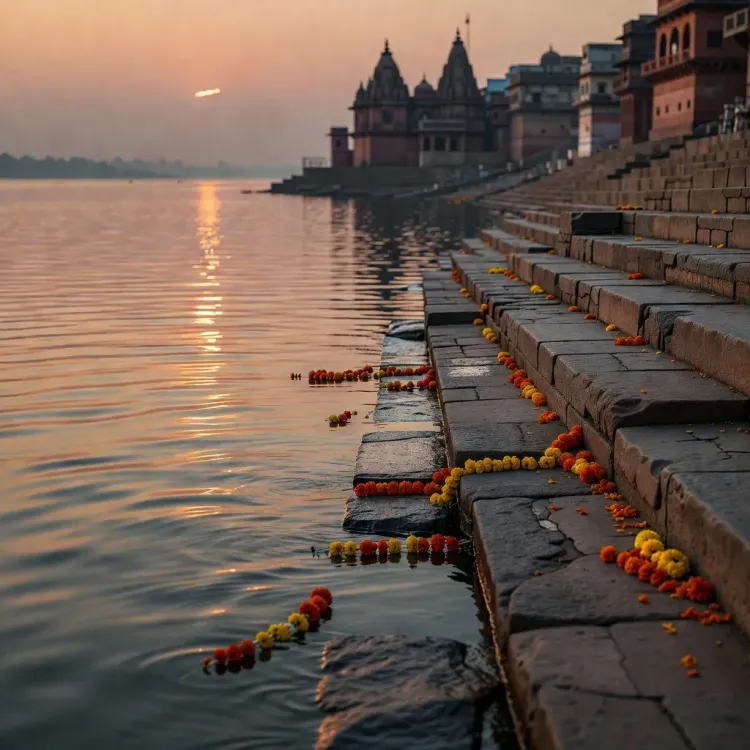
A river. A city. And a civilisation argument that stretches back to antiquity. On Sunday, 15 November 2026, Chief Minister Yogi Adityanath addressed the Gomti Utsav in Lucknow, calling the Gomti River the very soul of the city and invoking its ancient identity as Aadi Ganga — a name that places it in the same sacred lineage as the Ganga itself.
Speaking at the annual cultural festival, CM Yogi Adityanath anchored his remarks in a sweeping civilisational frame: 'All civilisations and cultures that have developed in the world have done so on the banks of one river or another. Our major pilgrimage sites, too, are located on riverbanks.' The message was clear — the Gomti is not merely a waterway; it is the living foundation of Lucknow's identity.
The river Lucknow grew up beside
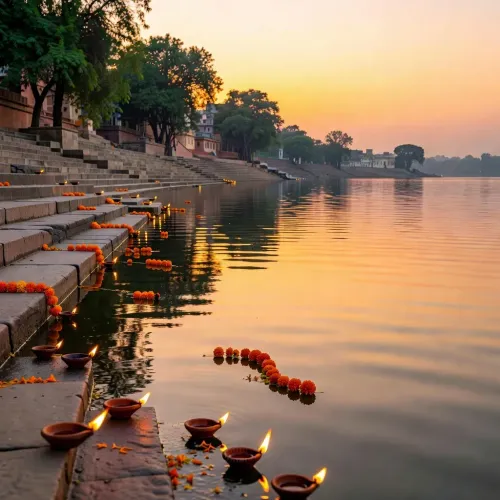
The Gomti winds through the heart of Lucknow, shaping the city's geography and, the Chief Minister argued, its very soul. Locally venerated as Aadi Ganga — the 'original' or 'primordial' Ganga — the river carries deep spiritual weight for residents of the region, sitting as a tributary within the broader Ganga basin.
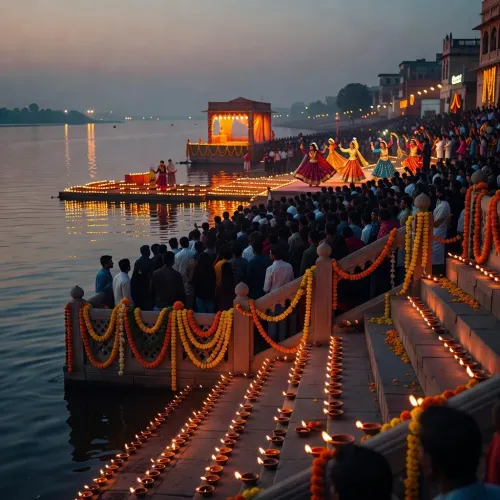
Gomti Utsav is an annual celebration designed to amplify that connection: heritage events, cultural programming, and a renewed public focus on the river that runs through the capital of Uttar Pradesh. It is precisely the kind of festival that turns a policy conversation about river health into something a family will actually attend.
Rivers, heritage, and state messaging
Uttar Pradesh under CM Yogi Adityanath has consistently woven river symbolism into its public identity — from large-scale Ganga Aarti ceremonies in Varanasi to riverfront development projects across the state. That tradition of river-centric public engagement fits squarely within the broader national Namami Gange programme, launched in 2014, which includes conservation components for tributaries like the Gomti.
The civilisational argument Yogi Adityanath reached for — that rivers are the cradles of human culture — is a recurring strand of state messaging, one that connects contemporary governance to an ancient narrative of stewardship. When a Chief Minister calls a river the city's 'soul' at a public festival, he is simultaneously making a cultural claim and a political one: that protecting and celebrating this river is a matter of identity, not just infrastructure.
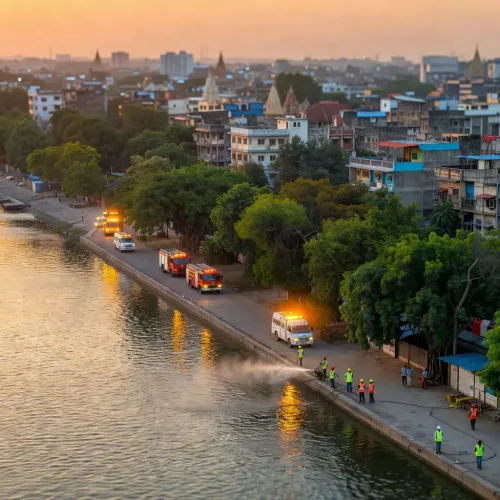
How that rhetoric translates into riverfront conservation and heritage tourism investment along the Gomti will be the story to watch as Lucknow's urban planning conversation continues.
Point of View
The administration widens its political constituency from ecologists to pilgrims and heritage enthusiasts. This messaging also keeps the Gomti's urban rehabilitation in the public eye at a moment when Lucknow's riverfront development plans remain a live agenda item. The long arc here is a state systematically recasting its rivers as cultural assets, not just water resources.
NationPress
15 Nov 2026
Frequently Asked Questions
What is Gomti Utsav in Lucknow?
Gomti Utsav is an annual cultural festival held in Lucknow, Uttar Pradesh, to celebrate the heritage and significance of the Gomti River through cultural events and public awareness programmes.
Why is the Gomti River called Aadi Ganga?
The Gomti River is locally venerated as Aadi Ganga — meaning the 'primordial' or 'original' Ganga — reflecting its ancient spiritual importance in the region and its place within the Ganga river basin.
What did CM Yogi Adityanath say about the Gomti River?
At Gomti Utsav 2026, CM Yogi Adityanath called the Gomti River 'the soul of Lucknow,' described it as Aadi Ganga, and said all major world civilisations and pilgrimage sites developed on the banks of rivers.
What is the Namami Gange programme and does it cover the Gomti?
Namami Gange is a national river conservation programme launched in 2014. It includes components for cleaning and conserving Ganga tributaries, including the Gomti River in Uttar Pradesh.
Where does the Gomti River flow?
The Gomti River flows through Lucknow, the capital of Uttar Pradesh, and is a major tributary of the Ganga river system, central to the city's geography and cultural identity.