CM Yogi eyes UNESCO tag for Ayodhya Deepotsav
Synopsis
Chief Minister Yogi Adityanath declared on 15 November 2026 that Ayodhya's Deepotsav has earned a global identity and expressed confidence it will one day receive UNESCO recognition, signalling the state's aspirations for the festival it has built since 2017.
Key Takeaways
CM Yogi Adityanath publicly stated that Ayodhya's Deepotsav has built a distinct global identity and deserves UNESCO recognition.
The Uttar Pradesh government has organised Deepotsav annually in Ayodhya since 2017 , growing it into a major cultural event.
A UNESCO Intangible Cultural Heritage listing would require a formal dossier from the Government of India — no such nomination has been announced.
India already holds UNESCO intangible heritage listings for Yoga, Kumbh Mela, and Vedic chanting , making a Deepotsav nomination plausible but multi-year in timeline.
The statement is part of UP's broader cultural diplomacy strategy spanning Varanasi, Mathura, and Ayodhya to drive international tourism.
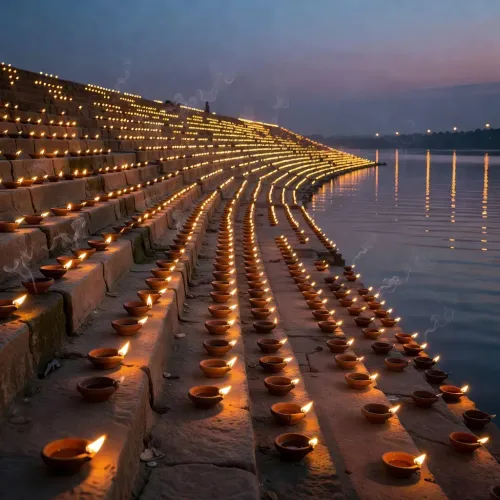
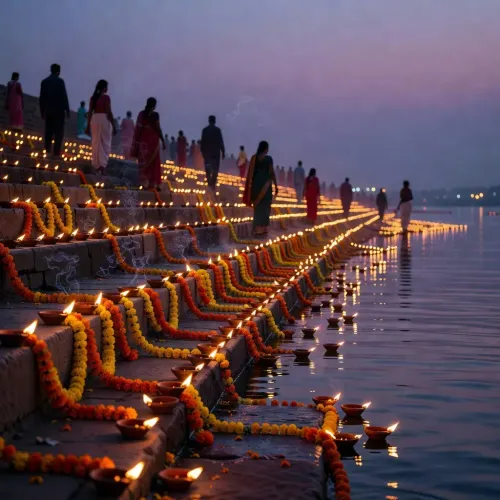
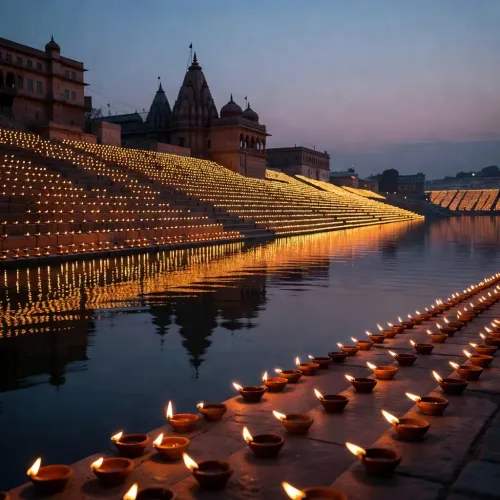
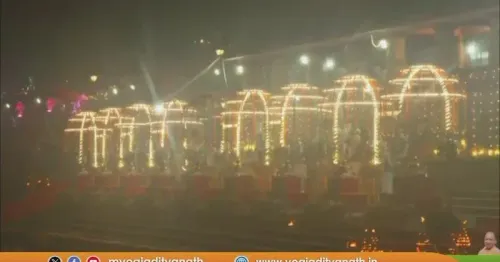
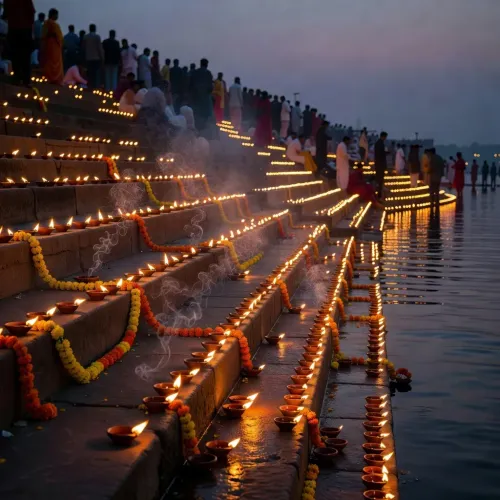
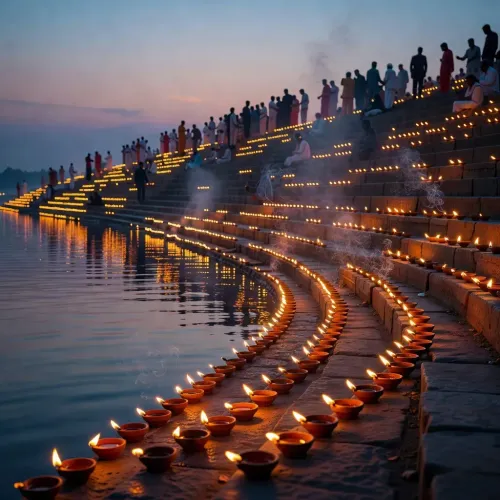
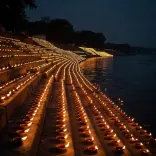
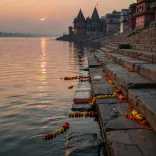
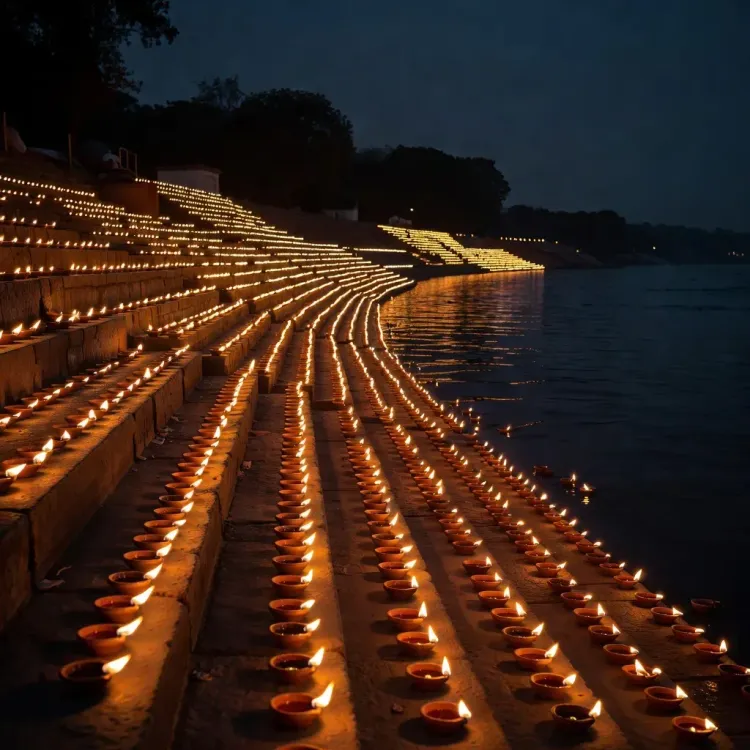
Every Kartik Purnima, the banks of the Sarayu river in Ayodhya blaze to life with millions of diyas — and Uttar Pradesh Chief Minister Yogi Adityanath now has a singular ambition to match that spectacle: a UNESCO recognition for the festival the state has built into a global cultural landmark.
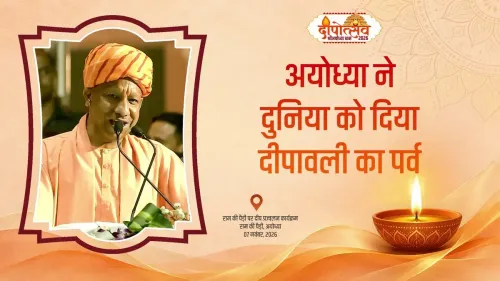
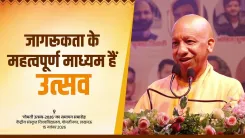
Posting on Sunday, 15 November 2026, the Chief Minister's Office of Uttar Pradesh quoted CM Yogi directly: 'Ayodhya Deepotsav ne vishwa star par apni vishisht pahchan banai hai' — 'Ayodhya's Deepotsav has carved a distinct identity for itself on the world stage. If this event continues to grow with the same grandeur, one day UNESCO too will recognise it.'
Nine editions and a city transformed
The Uttar Pradesh government launched Deepotsav in 2017 — the same year CM Yogi took office — as a state-organised celebration on the Sarayu ghats. What began as a culturally ambitious lighting ceremony has grown, edition by edition, into an event that draws pilgrims, tourists, and international attention. The 2019 Supreme Court judgment on the Ram Janmabhoomi site injected fresh momentum into Ayodhya's transformation, with the state accelerating infrastructure upgrades, widening ghats, and improving visitor facilities in quick succession.
The festival's footprint has expanded beyond Ayodhya's resident devotees. Domestic and international tourism figures for the city have trended sharply upward, and state authorities have consistently pitched Deepotsav as a showcase for India's civilisational heritage — not merely a religious observance but a living cultural spectacle of global significance.
What a UNESCO tag would actually mean
UNESCO's Convention for the Safeguarding of the Intangible Cultural Heritage provides the most likely pathway CM Yogi's statement gestures toward. Under that framework, a country can nominate living traditions — festivals, performing arts, ritual practices — for inscription on the Representative List of Intangible Cultural Heritage of Humanity. India has previously secured listings for practices including Yoga, Kumbh Mela, and Vedic chanting. A Deepotsav nomination would require a formal dossier submitted by the Government of India, documentation of community participation, and a safeguarding plan — a multi-year process rather than a unilateral state decision.
No formal nomination process has been announced or verified as of this report. The Chief Minister's statement reads as an aspirational public declaration of intent — a powerful signal to both the Centre and the heritage bureaucracy about the state's ambitions for the festival.
Ayodhya, Varanasi, Mathura — UP's cultural diplomacy playbook
Deepotsav is one plank in a broader Uttar Pradesh strategy of scaling religious and cultural events into international tourism draws. Varanasi's Dev Deepawali and Mathura-Vrindavan's Holi celebrations have received similar state-backed amplification. The pattern reflects the national government's emphasis on cultural soft power — positioning India's living Hindu traditions as heritage assets competitive on the world stage alongside globally recognised festivals elsewhere.
For Ayodhya specifically, the stakes are higher than any other city in the state. The inauguration of the Ram Mandir complex has supercharged pilgrim arrivals, and state planners have tied Deepotsav's growth directly to the city's long-term tourism economy. A UNESCO listing — however distant — would lock in international prestige and institutional protection for the tradition in ways no state government order alone can.
Ambition lit a flame in Ayodhya nine years ago. Now it is reaching for the sky.
Point of View
Raising the bar for any future government to scale it back. By placing the festival in the same conversation as Kumbh Mela's UNESCO listing, the statement subtly lobbies the Centre to initiate a formal nomination process, while simultaneously feeding the narrative of Ayodhya's reinvention as a global spiritual destination. The remark also fits a consistent UP pattern: use cultural events to anchor long-term tourism infrastructure investment and generate soft-power dividends that outlast any single election cycle.
NationPress
15 Nov 2026
Frequently Asked Questions
What is Ayodhya Deepotsav?
Deepotsav is an annual festival of lights organised by the Uttar Pradesh government in Ayodhya, featuring the illumination of millions of clay lamps along the Sarayu river ghats. It has been held every year since 2017.
What did CM Yogi say about Deepotsav and UNESCO?
On 15 November 2026, CM Yogi Adityanath stated that Deepotsav has already established a distinct global identity, and expressed confidence that if it continues with the same grandeur, UNESCO will one day recognise it.
Has Ayodhya Deepotsav been nominated for UNESCO heritage status?
No formal UNESCO nomination has been announced or verified. CM Yogi's statement is an aspirational declaration; a listing would require a dossier submitted by the Government of India through UNESCO's Intangible Cultural Heritage nomination process.
Which Indian traditions already have UNESCO Intangible Cultural Heritage status?
India holds UNESCO Intangible Cultural Heritage listings for Yoga, Kumbh Mela, Vedic chanting, and several other living traditions. A Deepotsav nomination would add to this list if pursued.
Why is the Uttar Pradesh government promoting Deepotsav so aggressively?
The state has pursued a consistent policy of scaling religious festivals in Ayodhya, Varanasi, and Mathura to boost domestic and international tourism, generate economic activity, and project India's cultural heritage on the global stage.