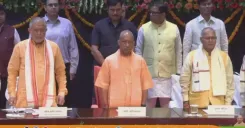
CM Fadnavis: Maha AI Model a Game-Changer for Maharashtra Governance
Synopsis
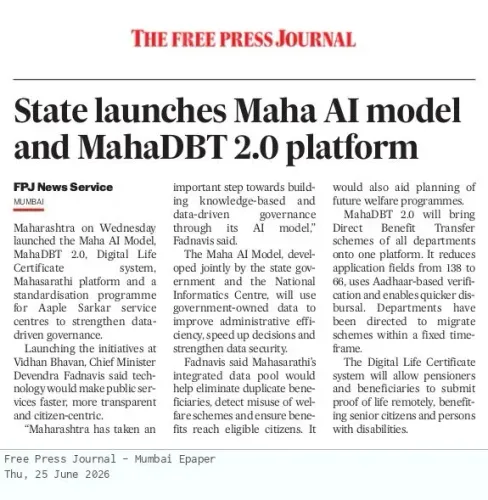
Chief Minister Devendra Fadnavis has declared Maharashtra's Maha AI Model a game-changer for state administration. The announcement, shared by the Chief Minister's Office on 25 June 2026, signals a structural shift toward AI-driven governance in one of India's largest and most consequential states.
Key Takeaways
CM Devendra Fadnavis called the Maha AI Model a 'game-changer' for Maharashtra's public administration on 25 June 2026 .
The Maha AI Model is a state-level AI framework aimed at improving administrative decision-making and citizen service delivery.
The initiative aligns with the central government's IndiaAI Mission launched in 2024 to build domestic AI capabilities across sectors.
Rollout timeline, pilot departments, and budgetary allocation for the Maha AI Model are yet to be officially announced.
Maharashtra's 36 districts and millions of citizens stand to benefit if the model is successfully deployed across state departments.
The move positions Maharashtra as a potential template for AI-driven governance among Indian states.
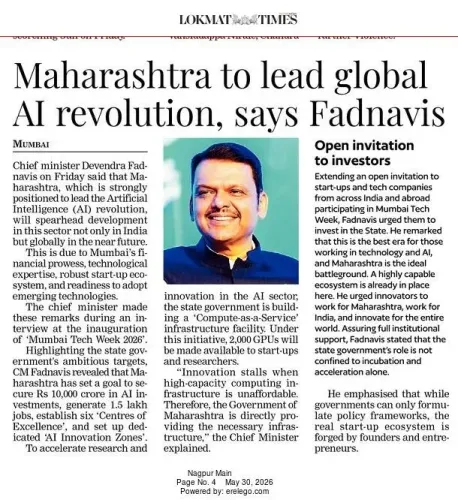
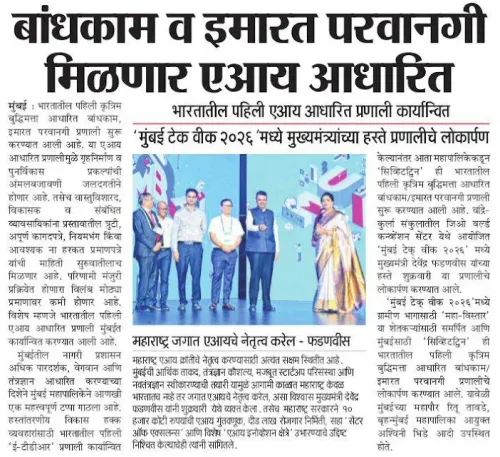
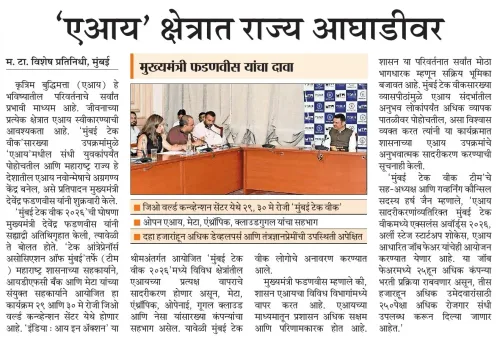
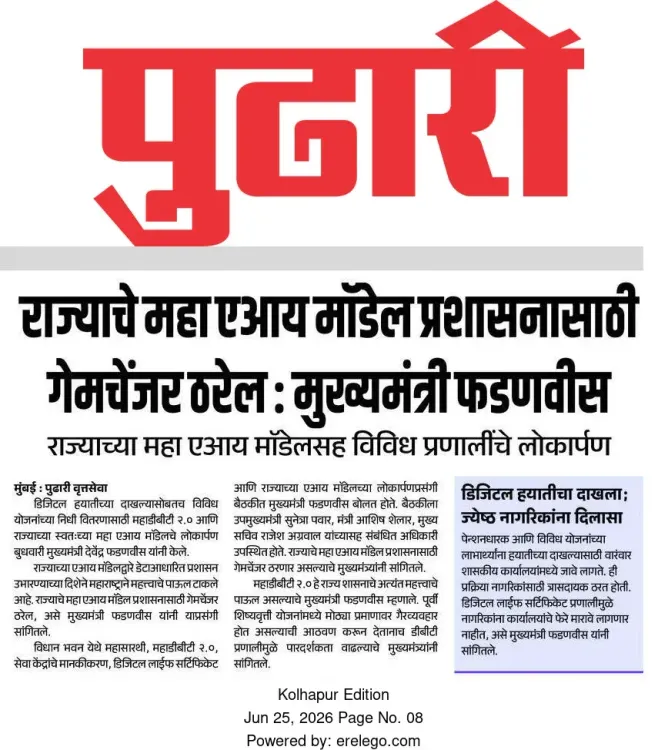
The Chief Minister's Office of Maharashtra on Thursday, 25 June 2026, shared a statement from Chief Minister Devendra Fadnavis declaring that the state's proposed Maha AI Model will be a transformative force for public administration in the state.
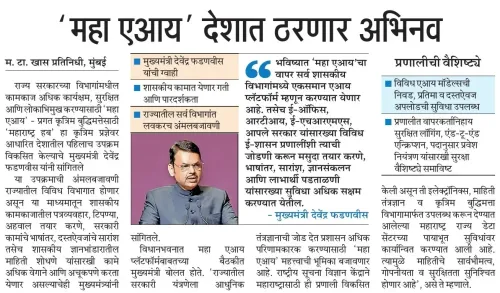
Quoting CM Fadnavis directly, the post stated: 'राज्याचे महा एआय मॉडेल प्रशासनासाठी गेमचेंजर ठरेल' — ('The state's Maha AI Model will be a game-changer for governance'). The statement signals the Maharashtra government's intent to position artificial intelligence at the centre of its administrative reform agenda.
Context
Devendra Fadnavis, currently in his second term as Chief Minister since 2023, has consistently championed digital governance as a pillar of Maharashtra's development strategy. The Maha AI Model is a state-level artificial intelligence framework designed to support administrative decision-making and improve public service delivery across Maharashtra's vast government machinery.
The announcement comes as Indian states increasingly look to technology to cut bureaucratic delays, improve data-driven policymaking, and make citizen services more accessible and efficient.
Policy Backdrop
The Maha AI Model fits within a broader national push for AI adoption in governance. The IndiaAI Mission, launched by the central government in 2024, laid the groundwork for building domestic AI capabilities and deploying them across sectors including public administration, health, and agriculture.
Maharashtra, as one of India's most economically significant states, has been at the forefront of digital public infrastructure initiatives. A state-specific AI model would allow the administration to tailor solutions to local administrative needs, regional languages, and Maharashtra-specific datasets — going beyond generic national-level tools.
The framing of the Maha AI Model as a 'game-changer' by CM Fadnavis suggests the government views it not as an incremental upgrade but as a structural shift in how the state apparatus functions — from reactive administration to predictive, data-led governance.
Stakeholders and Impact
The primary beneficiaries of the Maha AI Model, if successfully implemented, would be Maharashtra's citizens — who stand to gain faster, more accurate, and more transparent access to government services. State administrators and departments would be equipped with AI-assisted tools for decision support, resource allocation, and policy monitoring.
For frontline government officials across Maharashtra's 36 districts, an AI-integrated administrative system could reduce manual workloads, minimise errors in record-keeping, and enable real-time tracking of scheme delivery. Civil society groups and policy observers will be watching closely to ensure the model is deployed with adequate data privacy safeguards and equitable access across rural and urban populations.
What's Next
Key details about the Maha AI Model — including its rollout timeline, the pilot departments that will first adopt it, and its budgetary allocation — remain to be officially announced. Upcoming state cabinet meetings and the Maharashtra budget cycle will be closely watched for concrete commitments on funding and phased deployment.
As Indian states compete to demonstrate technology leadership, Maharashtra's move to brand its own AI model signals an ambition to set a replicable template for AI-driven governance that other states may follow. The credibility of that ambition will depend on the specifics that emerge in the months ahead.
Point of View
The announcement's impact will ultimately be judged on implementation specifics — pilot outcomes, data governance frameworks, and whether benefits reach citizens in Maharashtra's rural hinterland, not just its urban centres.
NationPress
25 Jun 2026
Frequently Asked Questions
What is the Maha AI Model in Maharashtra?
The Maha AI Model is a state-level artificial intelligence framework proposed by the Maharashtra government to support administrative decision-making and improve public service delivery across the state's departments and districts.
What did CM Devendra Fadnavis say about the Maha AI Model?
CM Devendra Fadnavis stated that the Maha AI Model will be a 'game-changer' for governance in Maharashtra, as shared by the Chief Minister's Office on 25 June 2026.
How does the Maha AI Model relate to the IndiaAI Mission?
The Maha AI Model builds on the foundation laid by the central government's IndiaAI Mission, launched in 2024, which aims to develop domestic AI capabilities and deploy them in sectors including public administration.
When will the Maha AI Model be launched in Maharashtra?
An official launch date has not yet been announced. Key details including the rollout timeline, pilot departments, and budget allocation are expected to emerge through upcoming cabinet decisions and the state budget cycle.
Who will benefit from Maharashtra's Maha AI Model?
The primary beneficiaries are Maharashtra's citizens, who could gain faster and more transparent access to government services, along with state administrators who would have AI-assisted tools for decision-making and policy monitoring.