CM Fadnavis, Maharashtra Gear Up for Monsoon Session 2026
Synopsis
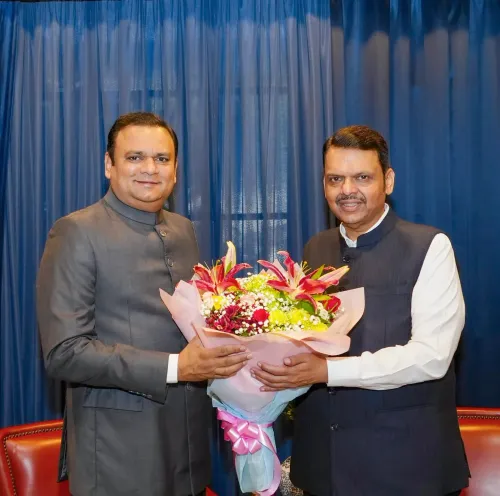
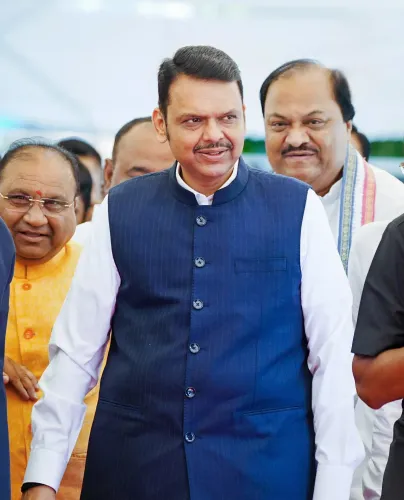
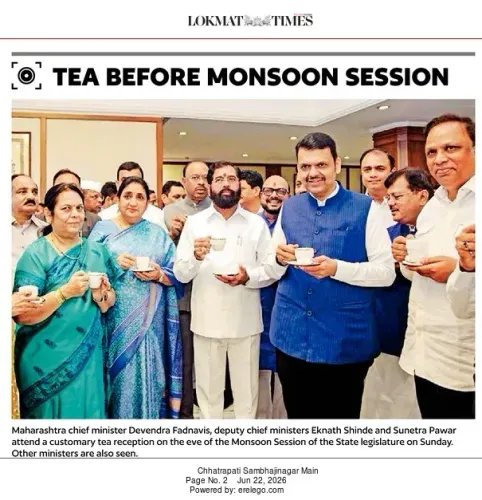
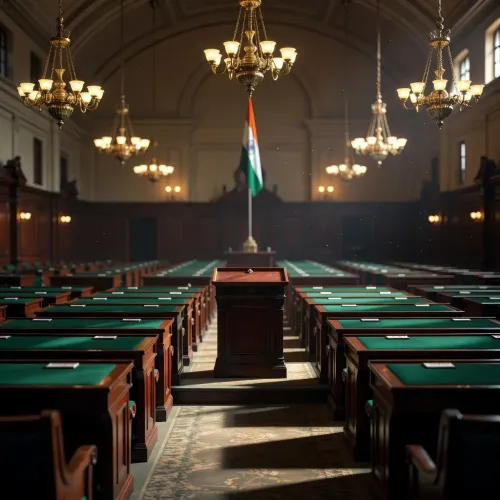
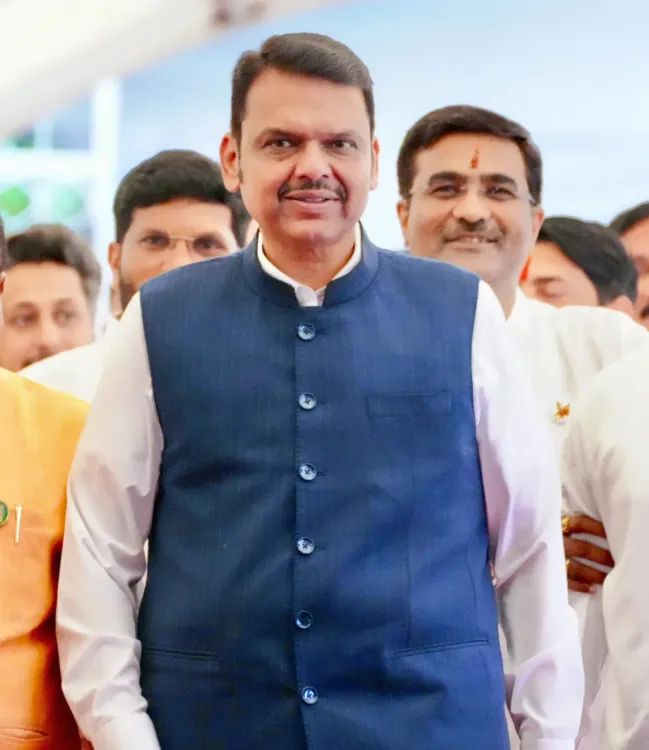
The Chief Minister's Office of Maharashtra posted on X signalling the Monsoon Session 2026 of the Maharashtra Legislative Assembly, with Chief Minister Devendra Fadnavis set to steer the government's legislative agenda during one of the three annual sittings of the state house.
Key Takeaways
The Chief Minister's Office of Maharashtra announced the Monsoon Session 2026 of the Maharashtra Legislative Assembly via an X post on 22 June 2026 .
Chief Minister Devendra Fadnavis is the head of the current Maharashtra state government and will lead the treasury benches during the session.
The Monsoon Session is one of three annual sittings of the Maharashtra assembly and is a key forum for legislation, budget discussions, and public accountability.
The session is expected to see tabling of bills, supplementary demands for grants, and debate on pressing state issues.
All 288 elected members of the Maharashtra Legislative Assembly and the state's approximately 12 crore citizens are direct stakeholders in the session's outcomes.
The Chief Minister's Office of Maharashtra signalled the commencement of the Monsoon Session 2026 of the Maharashtra Legislative Assembly on Monday, 22 June 2026, with a post on X referencing Chief Minister Devendra Fadnavis and the upcoming legislative sitting.
Context
The CMO's post, carrying the hashtags #Maharashtra, #DevendraFadnavis, and #MonsoonSession2026, drew attention to the monsoon legislative calendar of the state. The Monsoon Session is one of three annual sittings of the Maharashtra assembly and is a key window for transacting government and opposition business.
Devendra Fadnavis, a senior BJP leader, has served multiple terms as Chief Minister of Maharashtra and has consistently used legislative sessions to advance the state government's development and administrative agenda.
Policy Backdrop
Indian state assemblies, including Maharashtra's, typically schedule a Budget Session, a Monsoon Session, and a Winter Session each year. The Monsoon Session usually falls between June and August and is used to table bills, pass supplementary demands for grants, and debate pressing public issues.
Under the current Fadnavis-led government, legislative sessions have been used to advance infrastructure, agriculture, and social welfare priorities for Maharashtra's approximately 12 crore citizens.
Stakeholders and Impact
The session directly concerns all 288 elected members of the Maharashtra Legislative Assembly as well as citizens who rely on the assembly to scrutinise the state government's spending and policy choices. Opposition parties are expected to use the session to raise issues of public concern ranging from agrarian distress to urban infrastructure.
State legislators, civil servants, and policy advocates will closely track the tabling of any new bills or budget discussions during the sitting.
What's Next
As the Monsoon Session 2026 gets under way, the legislative agenda — including any major policy announcements, bills, or supplementary budgets — will define the government's priorities for the second half of the year. The session will be a key test of the Fadnavis administration's legislative programme and the opposition's ability to hold the government accountable on the floor of the house.
Point of View
Framing the Fadnavis government's narrative ahead of a high-stakes legislative window. Monsoon sessions in Maharashtra have historically been battlegrounds where the opposition presses on agrarian and urban issues, making the government's agenda-setting critical. The early digital outreach suggests the administration is keen to shape public expectations before the session opens. How the treasury benches manage legislative business and respond to opposition pressure will be an early indicator of the government's political confidence in the second year of its term.
NationPress
22 Jun 2026
Frequently Asked Questions
When is the Maharashtra Monsoon Session 2026?
The Maharashtra Monsoon Session 2026 was flagged by the Chief Minister's Office on 22 June 2026. Specific start and end dates for the session have not been officially confirmed in the available information.
Who is the Chief Minister of Maharashtra in 2026?
Devendra Fadnavis is the Chief Minister of Maharashtra. He is a senior BJP leader who has served multiple terms in the role.
What happens during the Maharashtra Monsoon Session?
The Monsoon Session is one of three annual sittings of the Maharashtra Legislative Assembly. It is used to table and pass bills, debate supplementary demands for grants, and address pressing public policy issues.
How many sessions does the Maharashtra assembly hold each year?
The Maharashtra Legislative Assembly typically holds three sessions each year: the Budget Session, the Monsoon Session, and the Winter Session.
What issues are expected in Maharashtra Monsoon Session 2026?
While the specific agenda has not been confirmed, Maharashtra assembly monsoon sessions typically cover legislation, budget discussions, agrarian issues, urban infrastructure, and other matters of public concern raised by both the government and the opposition.