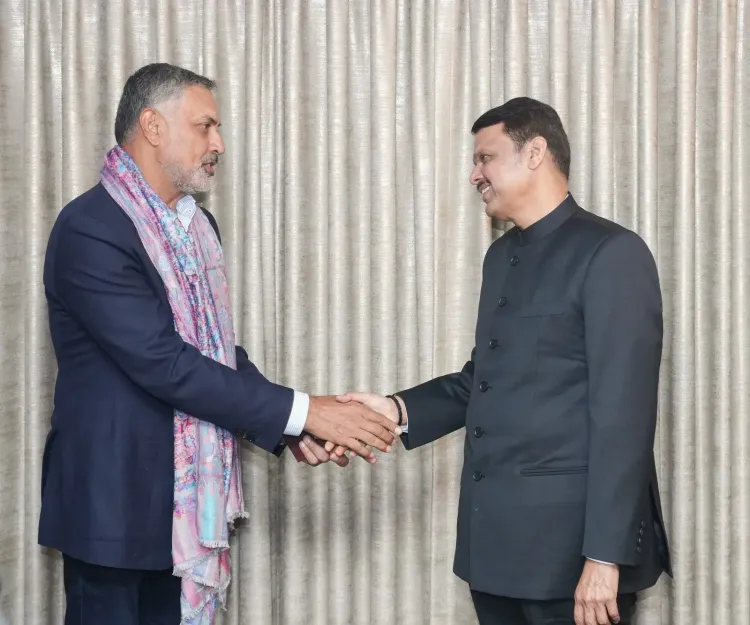
CM Fadnavis meets Palo Alto CEO on Maharashtra AI security
Synopsis
Maharashtra CM Devendra Fadnavis met Palo Alto Networks CEO Nikesh Arora in Mumbai. Talks covered AI centres of excellence, skilling and secure public infrastructure, with cybersecurity framed as essential from day one to protect citizen data.
Key Takeaways
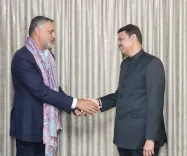
Maharashtra CM Devendra Fadnavis met Palo Alto Networks Chairman and CEO Nikesh Arora in Mumbai .
Fadnavis said cybersecurity must be built into public services from day one as the state embraces AI.
Talks covered AI centres of excellence, skilling and joint programmes for secure public infrastructure.
He said he looks forward to making Maharashtra a hub for cybersecurity-led technologies.
India's National Cyber Security Policy 2013 set a national frame for protecting critical information infrastructure.
No new investment figure or signed programme was announced in the public note.
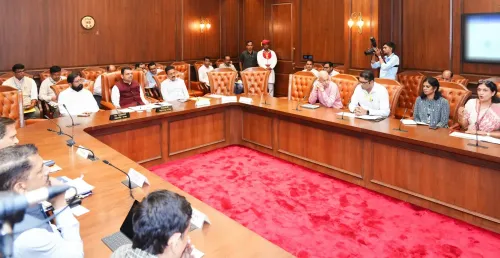
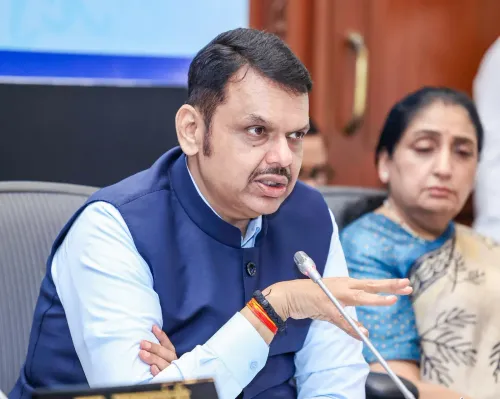
Maharashtra Chief Minister Devendra Fadnavis met Palo Alto Networks Chairman and CEO Nikesh Arora in Mumbai, putting a hard condition on the state's AI rush: cybersecurity must sit inside public services from day one, or citizens will not trust the data trail. He posted the account on Thursday, a day after the meeting, tagging Arora and the global network-security firm.
Day-one security for AI in public services
Fadnavis wrote that it was a pleasure to meet Shri Nikesh Arora in Mumbai. As Maharashtra embraces AI, he said, ensuring cybersecurity in public services from day one will help protect citizens' data and earn their trust.
That is a sequencing argument, not a slogan. Welfare platforms, payments, health records and city systems now generate more citizen data every year. One breach can unwind years of digital government. Lock the stack before the services scale — that is the case he put on the table.
CoEs, skilling and a bid to be a cyber-tech hub
The discussion, he said, spanned a spectrum of subjects from building AI centers of excellence to skilling to joint programs for developing secure eco-systems across public infrastructure. He added that he looks forward to strategic alignment in making Maharashtra the hub for cybersecurity-led technologies.
Indian states now compete to pull global cybersecurity and AI investment as digital governance expands. Maharashtra has long sold itself as an IT destination, with Mumbai as the financial and technology core. Pairing that pitch with a US-headquartered security major is an attempt to fold protection into public infrastructure rather than bolt it on later.
India's National Cyber Security Policy 2013 had already called for safeguarding critical information infrastructure and growing domestic capability. State-level partnerships are how that national frame now shows up in actual rooms in Mumbai.
A meeting note, not a signed programme
No new centre, contract, or investment figure was named in the public note. The signal is alignment: a sitting Chief Minister and a global cyber CEO talking CoEs, skills, and secure public systems in the same conversation. Citizens, the public sector, and cybersecurity firms are the constituencies that would feel any follow-through — or the lack of it.
If Maharashtra wants the hub it described, the next move is not another photograph. It is a named centre, a skilling pipeline, and public infrastructure that treats security as architecture, not an afterthought.
Point of View
Which is the only sequence that survives a serious incident. Courting Palo Alto Networks fits Maharashtra's habit of using Mumbai's gravity to pull global vendors into public-infrastructure work. The test is follow-through: named centres and joint programmes, not another meeting note rival states can outbid.
NationPress
26 Nov 2026
Frequently Asked Questions
Who did Maharashtra CM Devendra Fadnavis meet in Mumbai?
He met Nikesh Arora, Chairman and CEO of Palo Alto Networks, in Mumbai. Fadnavis said the talks covered AI centres of excellence, skilling and secure public infrastructure.
What is Palo Alto Networks?
Palo Alto Networks is a global cybersecurity company specialising in network security solutions. Its Chairman and CEO, Nikesh Arora, met the Maharashtra Chief Minister in Mumbai.
Why is Fadnavis linking AI and cybersecurity?
He said that as Maharashtra embraces AI, cybersecurity must be built into public services from day one to protect citizens' data and earn their trust. The aim is to stop security from becoming an afterthought as digital government expands.
Did Maharashtra announce a deal with Palo Alto Networks?
No specific investment, contract or centre was announced in the Chief Minister's public note. He said he looks forward to strategic alignment to make Maharashtra a hub for cybersecurity-led technologies.
What is India's National Cyber Security Policy 2013?
It outlined measures to safeguard critical information infrastructure and develop domestic cybersecurity capabilities. States now compete to attract global cyber and AI firms as digital governance grows.