CM Fadnavis Meets UAE Ambassador, Eyes Doubled Partnership
Synopsis
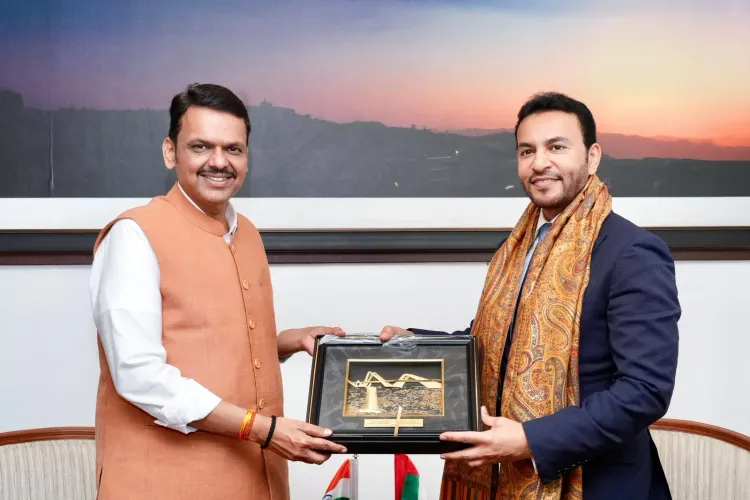
Maharashtra CM Devendra Fadnavis met UAE Ambassador Abdullah Saif Al Nuaimi in Mumbai on 26 September 2026, pledging to double bilateral ties across clean energy, finance, aviation, data centres, GCCs and wildlife tourism — with action points set for immediate follow-up.
Key Takeaways
CM Devendra Fadnavis hosted UAE Ambassador Abdullah Saif Al Nuaimi at his official residence in Mumbai on 26 September 2026 .
Both sides expressed 'strong enthusiasm' to double the current India-UAE partnership , with priority sectors including clean energy, finance, aviation, data centres, GCCs, and wildlife tourism.
UAE Consul General Abdullah Husein Almarzooqi was also present, signalling high-level institutional engagement.
The India-UAE CEPA signed in February 2022 targets $100 billion in bilateral trade within five years, providing the policy framework for Maharashtra's push.
Both sides committed to working 'expeditiously' on action points decided at the meeting , with follow-up on MoUs and investment projects expected.
A diplomatic meeting at Mumbai's seat of power on Saturday, 26 September 2026 has opened a new chapter in one of India's most consequential Gulf partnerships. Maharashtra Chief Minister Devendra Fadnavis hosted UAE Ambassador Abdullah Saif Al Nuaimi at his official residence in Mumbai, setting the stage for a push to double bilateral engagement — with clean energy, data centres, and global capability centres (GCCs) at the top of the agenda.
What Was Decided at the Mumbai Meeting
The Chief Minister described the meeting as an opportunity to build on a 'longstanding India-UAE partnership, which has stood strong through challenging times.' The two sides identified clean energy, finance, aviation, emerging technologies, data centres, GCCs, and wildlife tourism as priority sectors for expanded collaboration. Crucially, Fadnavis said both sides would 'work expeditiously on the action points decided today' — signalling that this was not a courtesy call but a working session with deliverables.
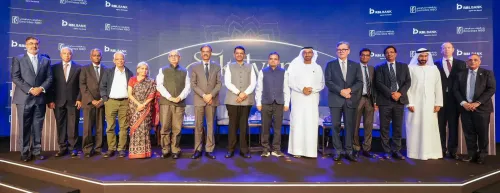
UAE Consul General in Mumbai Abdullah Husein Almarzooqi and other dignitaries were also present, underlining the institutional weight behind the engagement.
Maharashtra's Strategic Weight in the India-UAE Story
This meeting lands against a well-established economic backdrop. India and the UAE signed a Comprehensive Economic Partnership Agreement (CEPA) in February 2022, targeting $100 billion in bilateral trade within five years. Maharashtra, as India's financial and industrial engine, has been a primary destination for UAE foreign direct investment in infrastructure, logistics, and services since the early 2010s.
The state's pitch is straightforward: Mumbai is the country's financial capital, its port and airport infrastructure are among the busiest in Asia, and its technology corridor has been a magnet for GCC setups by global firms. When Fadnavis speaks of 'doubling the current partnership,' the base he is working from is already substantial.
Why Clean Energy and Data Centres Are the New Frontier
The sectors flagged by Fadnavis map precisely onto where Gulf sovereign wealth is moving globally — away from purely hydrocarbon-linked assets and toward technology infrastructure and clean energy transition plays. UAE-linked funds and corporates have been aggressive investors in Indian renewables and digital infrastructure, and Maharashtra's grid scale, industrial land availability, and talent pool make it a natural landing pad.
The inclusion of wildlife tourism as a discussion point is notable — it reflects a softer, people-to-people dimension of the relationship that complements the hard investment agenda, and signals that the partnership is being conceived in its full breadth, not just as a capital inflow exercise.
State Diplomacy as National Strategy
India's broader Gulf outreach has typically been driven from New Delhi, but state-level diplomatic activism by economic heavyweights like Maharashtra adds a crucial layer. Direct CM-to-Ambassador engagement allows sector-specific asks, faster project clearances, and state-level policy commitments that national frameworks alone cannot deliver. Fadnavis's move follows an established pattern of Indian states competing vigorously — and effectively — for Gulf investment at dedicated investor summits and bilateral meetings.
The next test will be whether the 'action points decided today' translate into announced MoUs, FDI commitments, or GCC launches in the months ahead.
For Maharashtra and the UAE alike, the direction is set — the question now is the speed of execution.
Point of View
Bypassing the slower cadence of national-level frameworks. The breadth of sectors named — from data centres and GCCs to wildlife tourism — signals that Maharashtra is pitching a whole-economy partnership, not a single-sector ask. If the 'action points' produce announced commitments, it will reinforce the model of CM-driven economic diplomacy that several Indian states are now adopting aggressively.
NationPress
26 Sept 2026
Frequently Asked Questions
Why did CM Fadnavis meet the UAE Ambassador in Mumbai?
CM Devendra Fadnavis met UAE Ambassador Abdullah Saif Al Nuaimi on 26 September 2026 to discuss expanding the India-UAE bilateral partnership, with a focus on doubling current ties in sectors such as clean energy, data centres, GCCs, finance, and aviation.
What is the India-UAE CEPA and how does it relate to Maharashtra?
The India-UAE Comprehensive Economic Partnership Agreement (CEPA) was signed in February 2022, targeting $100 billion in bilateral trade within five years. Maharashtra, as India's financial and industrial hub, is a key destination for UAE investment under this framework.
Which sectors did Fadnavis and the UAE Ambassador discuss?
The sectors discussed include clean energy, finance, aviation, emerging technologies, data centres, global capability centres (GCCs), and wildlife tourism.
Who else was present at the Fadnavis-UAE Ambassador meeting?
UAE Consul General in Mumbai Abdullah Husein Almarzooqi and other dignitaries were also present at the meeting held at CM Fadnavis's official residence in Mumbai.
What are GCCs and why is Maharashtra targeting UAE investment in them?
Global Capability Centres (GCCs) are offshore delivery and innovation hubs set up by multinational companies. Maharashtra's technology talent pool, infrastructure, and financial ecosystem make it an attractive location for UAE-linked or UAE-based firms to establish GCC operations.