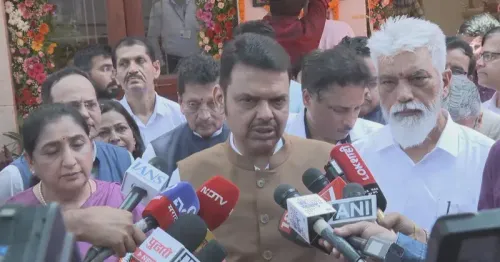
CM Fadnavis Pushes CSR Impact and India-US Clean Energy Ties
Synopsis
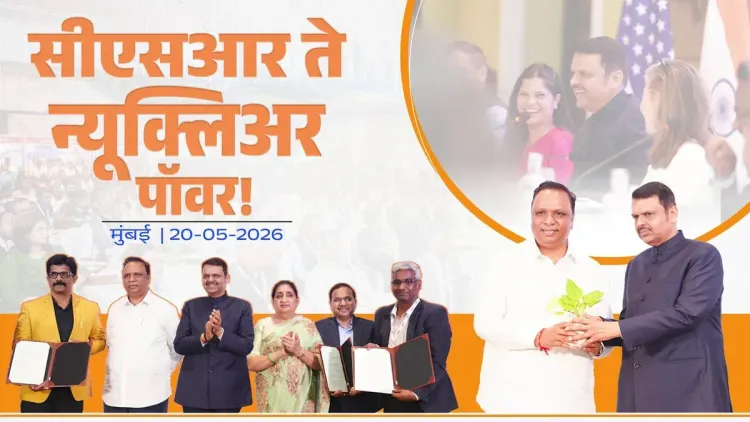
Maharashtra CM Devendra Fadnavis on 20 May 2026 spotlighted a Mumbai event combining CSR effectiveness and India-US clean energy cooperation under the TechMahaImpacT2026 banner, reinforcing the state's push to channel corporate funds into social welfare and deepen bilateral nuclear and renewable energy ties.
Key Takeaways
Maharashtra CM Devendra Fadnavis participated in engagements in Mumbai on 20 May 2026 focused on CSR and clean energy.
The event was tagged #TechMahaImpacT2026 , indicating a structured state initiative linking corporate responsibility and technology.
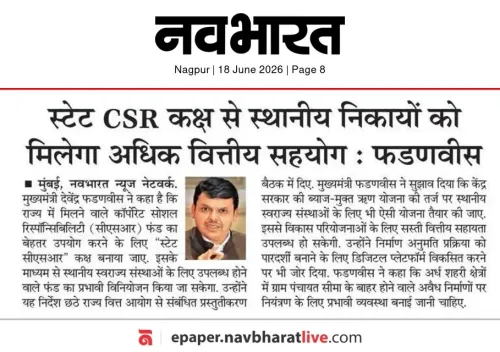
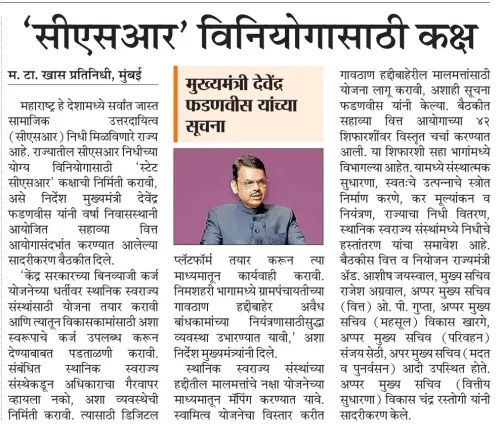
Fadnavis emphasised 'effective utilisation' of CSR funds mandated under Section 135 of the Companies Act, 2013 for social welfare.
The India-US Civil Nuclear Agreement (2008) forms the policy foundation for the bilateral clean energy cooperation highlighted at the event.
Maharashtra's industrial base positions it as a key node for India-US energy and technology partnerships .
Formal outcomes — including possible MoUs or project announcements — are expected to follow from the Mumbai engagements.
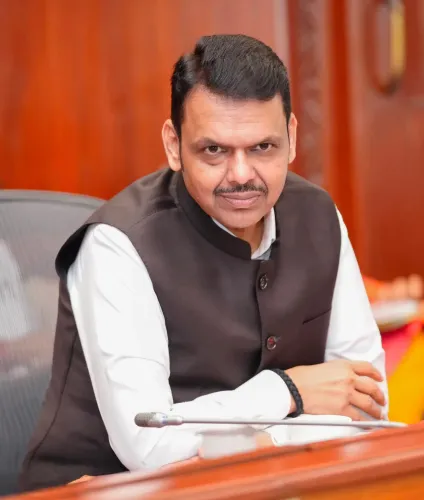
Maharashtra Chief Minister Devendra Fadnavis on Thursday, 20 May 2026, highlighted a day of engagements in Mumbai focused on strengthening social welfare through corporate social responsibility initiatives and advancing India-US collaboration in the clean energy and nuclear power sector.
Context
Fadnavis shared highlights from the day's proceedings under the hashtag #TechMahaImpacT2026, describing it as marked by 'meaningful progress towards strengthening social impact through effective CSR initiatives and accelerating India-US collaboration in shaping the future of clean energy.' The Marathi portion of his post — सीएसआर निधीच्या प्रभावी उपयोगातून समाजहिताच्या उपक्रमांना नवी बळकटी [giving new strength to social welfare initiatives through effective use of CSR funds] — reinforced the dual focus of the engagements.
The event, held in Mumbai, brought together stakeholders from the corporate sector and clean energy space under the banner of what the Chief Minister tagged as #TechMahaImpacT2026, signalling a structured state-level initiative rather than a one-off meeting.
Policy Backdrop
Corporate Social Responsibility in India is governed by Section 135 of the Companies Act, 2013, which mandates eligible companies to spend a prescribed portion of their average net profits on social welfare activities. Maharashtra, as one of India's most industrially dense states, consistently ranks among the top recipients of CSR fund deployment, making the Chief Minister's focus on 'effective utilisation' a pointed policy signal to corporates operating in the state.
On the energy front, the India-US Civil Nuclear Agreement of 2008 — the foundational 123 Agreement — opened the door for bilateral civil nuclear commerce and technology transfer after decades of India operating outside global nuclear frameworks. Since then, successive engagements have sought to translate that diplomatic breakthrough into operational projects, with clean energy security now closely linked to India's net-zero commitments and rapidly rising electricity demand.
Stakeholders and Impact
The corporate sector stands at the centre of the CSR discussion, with Maharashtra communities — particularly in health, education, and rural development — as the intended beneficiaries of better-directed CSR spending. Clean energy firms, both Indian and American, are the primary stakeholders in the bilateral nuclear and renewables conversation, with Maharashtra's industrial base and policy incentives positioning the state as a preferred destination for such investments.
For US partners, deeper engagement with Maharashtra offers a strategic foothold in one of Asia's largest sub-national economies. For the state government, demonstrating progress on #USIndiaPartnership goals reinforces Maharashtra's pitch as a globally connected investment hub.
What's Next
Observers will watch for concrete follow-through: specific CSR fund allocations or project announcements tied to the TechMahaImpacT2026 framework, and any formal agreements or memoranda of understanding on clean energy and nuclear cooperation emerging from the Mumbai engagements. Expanded bilateral nuclear collaboration may also require clearances at the central government and regulatory levels before project-level activity can proceed. The Chief Minister's public framing of the day as one of 'meaningful progress' suggests formal outcomes are expected to be communicated in the near term.
Point of View
Recurring state initiative rather than ad hoc diplomacy, consistent with Maharashtra's pattern of packaging investment outreach as structured programmes. Coming at a time when India's net-zero commitments are intensifying pressure on states to attract clean energy capital, the Chief Minister's visibility on the nuclear cooperation angle is notable — this is territory typically led from New Delhi. It positions Maharashtra as a proactive sub-national actor in a domain where central government approvals will ultimately determine pace.
NationPress
5 Oct 2026
Frequently Asked Questions
What is TechMahaImpacT2026?
TechMahaImpacT2026 appears to be a Maharashtra government initiative — referenced by CM Devendra Fadnavis on 20 May 2026 — that brings together corporate CSR stakeholders and clean energy partners, including US collaborators, under a single branded engagement platform.
What is India's CSR law and how does it apply in Maharashtra?
Section 135 of the Companies Act, 2013 requires eligible companies to spend at least 2% of their average net profits over three years on CSR activities. Maharashtra, as India's most industrialised state, is among the top destinations for such spending, covering sectors like health, education, and rural development.
What is the India-US Civil Nuclear Agreement?
The India-US Civil Nuclear Agreement, known as the 123 Agreement, was signed in 2008 and ended decades of India's isolation from global nuclear commerce. It enabled civil nuclear technology transfer and cooperation between the two countries and remains the legal foundation for bilateral nuclear energy collaboration.
Why is Maharashtra important for India-US clean energy cooperation?
Maharashtra's large industrial base, established policy infrastructure, and status as India's economic capital make it an attractive hub for US clean energy and technology firms. State-level leadership engagement, as demonstrated by CM Fadnavis, signals policy commitment that complements central government frameworks.
What follow-up actions are expected after the Mumbai engagements?
Observers are watching for formal CSR project announcements linked to TechMahaImpacT2026, potential memoranda of understanding on clean energy or nuclear cooperation, and any regulatory or central government clearances that may be needed to advance bilateral nuclear energy projects.