CM Fadnavis: No voting rights for Bangladeshi infiltrators
Synopsis
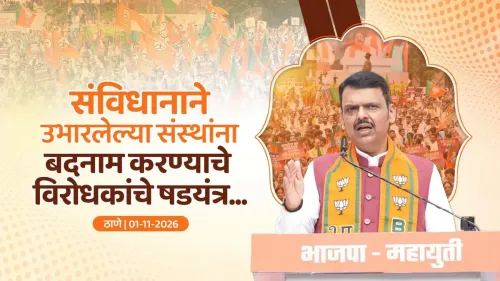
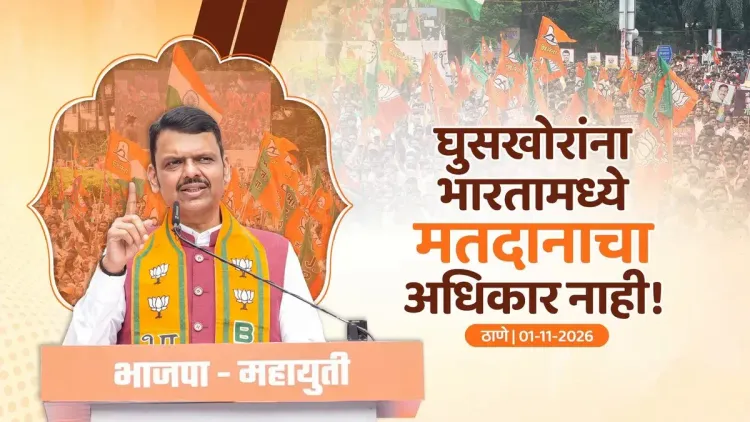
At a padayatra in Thane on 1 November 2026, Maharashtra CM Devendra Fadnavis declared that illegal Bangladeshi infiltrators will not be given voting rights in India, aligning with the BJP's long-standing national position on citizenship and electoral-roll integrity.
Key Takeaways
CM Devendra Fadnavis declared at a Thane padayatra on 1 November 2026 that illegal Bangladeshi infiltrators will not receive voting rights in India.
The march was held under the banner 'Lokshahi Vachva Arajkata Hatva' — 'Save Democracy, Remove Anarchy.' The BJP has maintained this position since at least the early 2010s, embedding it in election manifestos and state-level campaigns.
Raising the issue in Maharashtra — far from the Bangladesh border — signals a deliberate effort to nationalise the illegal-immigration-and-elections narrative.
The practical test lies in potential follow-up actions: voter-list verification drives or coordination with the Election Commission of India.
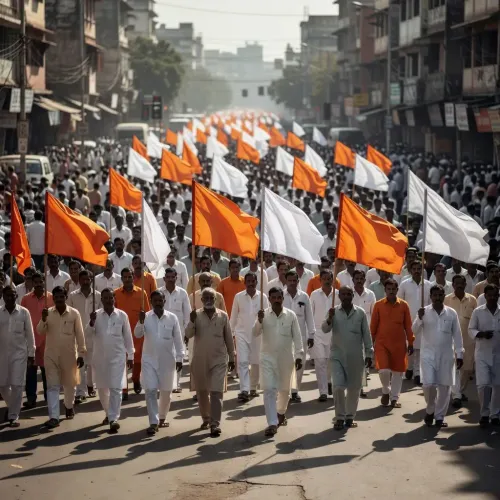
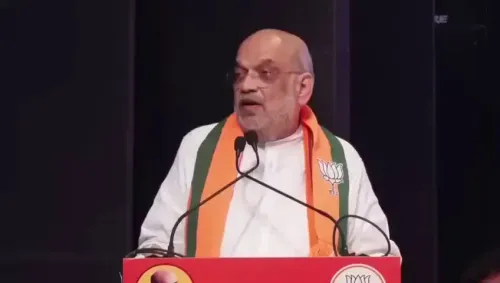
A pledge on the march route became a political headline. At a padayatra (foot march) in Thane on 1 November 2026, Maharashtra Chief Minister Devendra Fadnavis drew a hard line: illegal Bangladeshi infiltrators will not be granted voting rights in India — full stop.
Fadnavis made the declaration under the banner of the 'Lokshahi Vachva Arajkata Hatva' padayatra — translated as 'Save Democracy, Remove Anarchy' — a campaign that frames illegal immigration not merely as a law-and-order problem but as a direct threat to the integrity of Indian elections. The statement, posted on X in both Marathi and Hindi, was pointed and unambiguous: 'Bangladeshi ghuskhoran na Bharatamadhe matadanaacha adhikar denar nahi' — 'We will not give Bangladeshi infiltrators the right to vote in India.'
Why Thane, why now
Thane — a densely populated urban district on the periphery of Mumbai — has long been politically sensitive terrain. The choice of location for such a padayatra is deliberate: urban Maharashtra's sprawling peripheral districts are precisely where concerns about unverified residents on electoral rolls surface most acutely. A street-level march amplifies the message beyond a press conference podium.
The campaign name itself is a rhetorical double move. 'Save Democracy' invokes constitutional values, while 'Remove Anarchy' casts illegal immigration as a source of disorder — framing the exclusion of undocumented migrants from voter lists as a pro-democracy act rather than a restrictive one.
The BJP's long-standing citizenship-and-elections playbook
This is not a new position for the BJP. The party has consistently, since at least the early 2010s, opposed extending any citizenship or electoral benefits to illegal immigrants from Bangladesh, embedding the stance in successive election manifestos. The argument has driven major policy debates in Assam, West Bengal, and other border states — where demographic change linked to cross-border migration has been a flashpoint for decades.
What makes the Maharashtra iteration notable is geography: unlike the northeast or Bengal, Maharashtra is far from the Bangladesh border. Raising the issue here is a deliberate signal that the BJP intends to nationalise the narrative, casting illegal immigration and electoral-roll integrity as concerns for every Indian state — not just those that share a boundary with Dhaka.
What follows the march
The practical test of Fadnavis's pledge lies in what comes next: whether the state government initiates a formal voter-list verification drive, coordinates with the Election Commission of India, or pushes for stricter documentation requirements. A declaration at a padayatra sets the political tone; follow-through demands administrative machinery.
The pitch is clear. The clock is running. Maharashtra's voters will be watching whether the march's momentum translates into a verifiable action on the ground — or stays exactly where it started: on the street.
Point of View
The BJP signals it is willing to fight on this terrain anywhere in the country. The 'Save Democracy' framing is notable: it attempts to recast a restrictive-immigration position as a pro-democratic one, preempting critics who might frame voter-roll exclusions as disenfranchisement. Whether this translates into administrative action — verification drives, Election Commission coordination — or remains campaign rhetoric will define its actual political weight.
NationPress
1 Nov 2026
Frequently Asked Questions
What did CM Devendra Fadnavis say about Bangladeshi infiltrators at the Thane padayatra?
Fadnavis declared at a padayatra in Thane on 1 November 2026 that illegal Bangladeshi infiltrators will not be given the right to vote in India.
What is the 'Save Democracy Remove Anarchy' padayatra?
It is a foot march campaign titled 'Lokshahi Vachva Arajkata Hatva' in Marathi, linking concerns about illegal immigration and electoral integrity under a pro-democracy banner, held in Thane, Maharashtra.
What is the BJP's position on voting rights for illegal Bangladeshi immigrants?
The BJP has consistently opposed granting any citizenship or electoral rights to illegal immigrants from Bangladesh since at least the early 2010s, reflecting positions in multiple election manifestos and state-level campaigns.
Why is the illegal immigration issue being raised in Maharashtra and not just border states?
The BJP appears to be nationalising the narrative, framing illegal immigration and voter-list integrity as concerns relevant to every Indian state — not only those bordering Bangladesh like Assam or West Bengal.
What follow-up actions could result from Fadnavis's statement?
Potential follow-up steps include formal voter-list verification drives, stricter documentation requirements, or coordination with the Election Commission of India to audit electoral rolls in Maharashtra.