CM Fadnavis Opens Tribal Cultural Fest in Gadchiroli
Synopsis
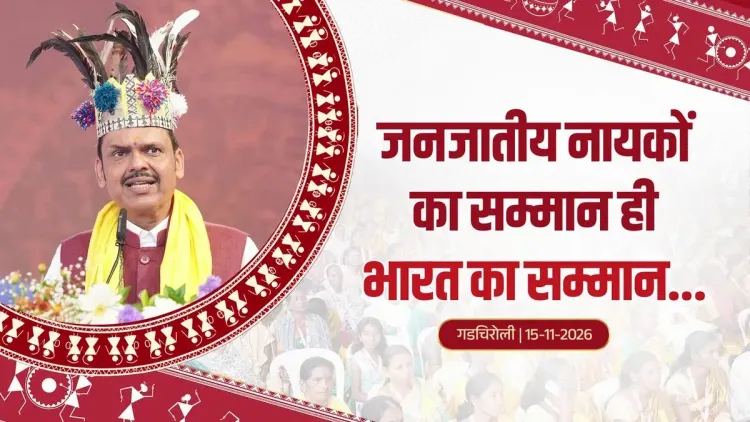
On Janjatiya Gaurav Diwas, Maharashtra CM Devendra Fadnavis inaugurated the National Tribal Cultural Festival in Gadchiroli, hailing PM Modi for elevating tribal heroes' golden history before the nation.
Key Takeaways
CM Devendra Fadnavis inaugurated the National Tribal Cultural Festival in Gadchiroli on 15 November 2026 .
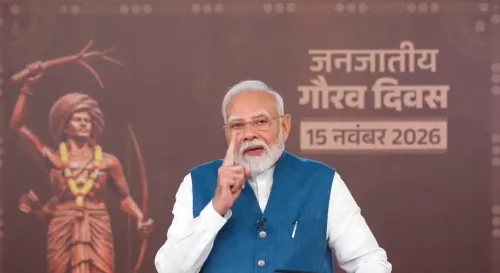
The event coincides with Janjatiya Gaurav Diwas , observed on the birth anniversary of tribal freedom fighter Birsa Munda .
The Government of India instituted Janjatiya Gaurav Diwas in 2021 to honour tribal leaders' contributions to Indian history.
Fadnavis credited PM Narendra Modi for bringing the 'golden history of tribal heroes' to wider public attention.
Gadchiroli is one of Maharashtra's most Scheduled Tribe-concentrated districts and has historically faced significant development and security challenges.
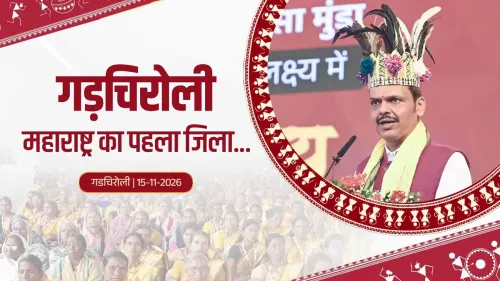
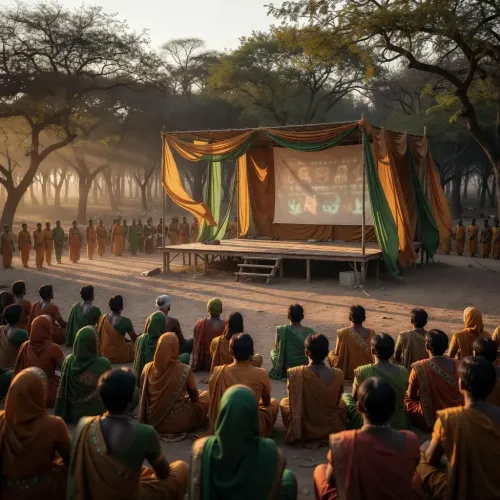
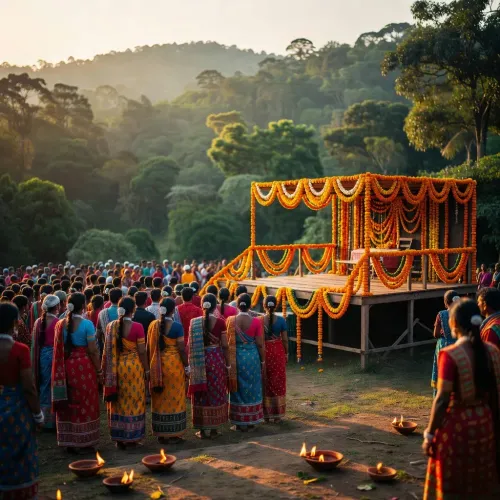
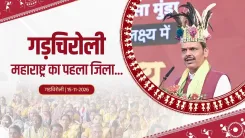
A district long defined by its forests and its struggles stepped into the national spotlight on Sunday, 15 November 2026, as Maharashtra Chief Minister Devendra Fadnavis inaugurated the National Tribal Cultural Festival in Gadchiroli — one of the state's most Adivasi-concentrated districts — on the occasion of Janjatiya Gaurav Diwas.
Modi's role in bringing tribal history to the foreground
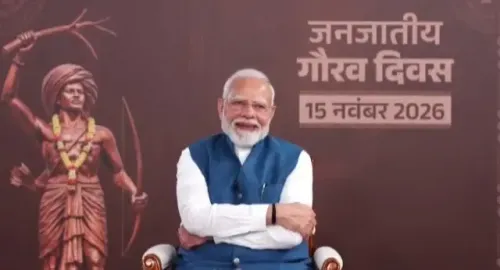
Speaking at the inauguration, Fadnavis credited Prime Minister Narendra Modi with the work of placing tribal heroes' histories before the wider public. His remarks, delivered bilingually in Hindi and Marathi, carried the same message in both languages: 'janjatiya nayakon ka swarnim itihas janta ke samne lane ka karya hua hai' — 'the golden history of tribal heroes has been brought before the people' through the Prime Minister's initiatives.
The sentiment was pointed. For generations, the contributions and sacrifices of Adivasi leaders have occupied the margins of mainstream historical memory. Friday's festival in Gadchiroli is framed as a corrective — a stage where that history moves to the centre.
Janjatiya Gaurav Diwas and the Birsa Munda connection
15 November is the birth anniversary of Birsa Munda, the 19th-century tribal freedom fighter from Jharkhand who led the Ulgulan uprising against colonial land dispossession. The Government of India instituted Janjatiya Gaurav Diwas on this date in 2021, designating it a permanent annual observance to honour tribal leaders across the country. The choice of Gadchiroli — a district in eastern Maharashtra with one of the state's highest Scheduled Tribe population shares — as a festival venue underscores the day's geographic and symbolic reach beyond any single region.
Gadchiroli: from margin to cultural stage
Gadchiroli has historically been associated with development deficits and left-wing extremism, making the choice of the district as the host of a nationally-framed tribal cultural festival a statement in itself. Central and state governments have periodically organised such events in tribal belts — but holding one on the date that is now Janjatiya Gaurav Diwas, in a district this symbolically charged, amplifies the message considerably. The festival provides a platform for Adivasi art, music, oral tradition, and historical documentation that rarely reaches metropolitan audiences.
What follows the festival — whether linked welfare scheme announcements, cultural documentation projects, or policy commitments for Gadchiroli specifically — will determine how much the momentum of the day translates into durable change for the communities it celebrates.
Point of View
Fadnavis reinforces a vertical that links state-level outreach directly to central leadership. Gadchiroli's selection is especially significant: a district historically associated with deprivation and insurgency is being repositioned as a site of cultural pride, a reframing that carries both governance and political weight ahead of ongoing tribal-belt outreach.
NationPress
15 Nov 2026
Frequently Asked Questions
What is Janjatiya Gaurav Diwas and when is it observed?
Janjatiya Gaurav Diwas is observed on 15 November every year, the birth anniversary of tribal leader Birsa Munda . The Government of India instituted it in 2021 to honour the contributions of tribal heroes to Indian history and culture.
What is the National Tribal Cultural Festival in Gadchiroli?
The National Tribal Cultural Festival in Gadchiroli is an event inaugurated by CM Devendra Fadnavis on 15 November 2026 to celebrate Adivasi art, heritage, and the history of tribal leaders, held on the occasion of Janjatiya Gaurav Diwas.
Why was Gadchiroli chosen for the tribal cultural festival?
Gadchiroli is one of Maharashtra's districts with the highest concentration of Scheduled Tribe communities, making it a symbolically and demographically significant venue for a festival focused on Adivasi culture and history.
Who is Birsa Munda and why is 15 November significant for tribal communities?
Birsa Munda was a 19th-century Adivasi freedom fighter from Jharkhand who led the Ulgulan uprising against colonial land dispossession. His birth anniversary, 15 November , is now commemorated as Janjatiya Gaurav Diwas across India.
What did CM Fadnavis say about PM Modi at the Gadchiroli tribal festival?
CM Devendra Fadnavis credited PM Narendra Modi with bringing the 'golden history of tribal heroes' before the wider public, delivering the message bilingually in both Hindi and Marathi at the inauguration.