CM Fadnavis: Opposing Vande Mataram Insults Constitutional Power
Synopsis
On Independence Day 2026, Maharashtra CM Devendra Fadnavis declared that opposing Vande Mataram amounts to an insult to constitutional authority, invoking the national song's formal adoption by the Constituent Assembly in January 1950.
Key Takeaways
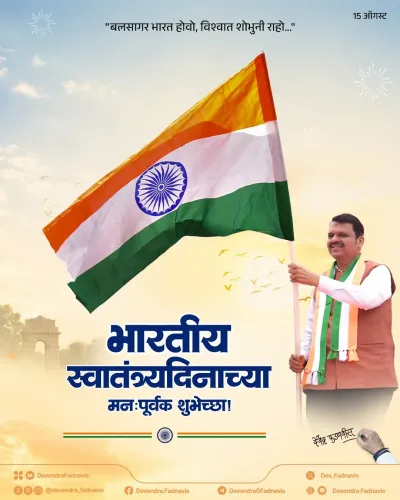
Maharashtra CM Devendra Fadnavis posted on 15 August 2026 from Mumbai on Independence Day.
He stated that opposing Vande Mataram is 'an insult to constitutional power,' posting in both Marathi and Hindi.
The Constituent Assembly adopted Vande Mataram as India's national song on 24 January 1950 , the same session that enacted the Constitution.
The statement follows a recurring BJP pattern of linking national symbols to constitutional values on major national days.
Reactions from opposition parties in the Maharashtra legislature are expected, particularly ahead of the upcoming monsoon session.
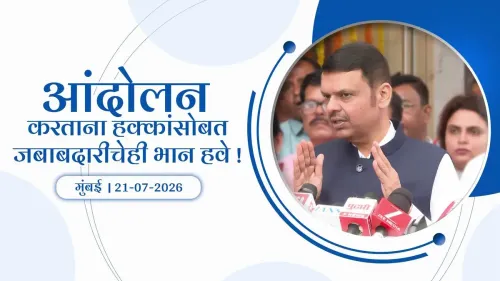
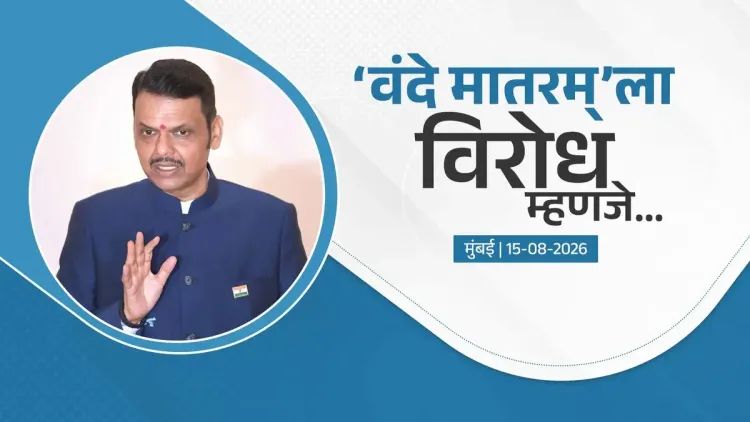
On Independence Day, Maharashtra Chief Minister Devendra Fadnavis drew a sharp line between national sentiment and constitutional obligation — declaring that opposing Vande Mataram amounts to an insult to the constitutional authority that enshrines it.
Posting from Mumbai on 15 August 2026, Fadnavis stated in both Marathi and Hindi: 'वंदे मातरम्'ला विरोध म्हणजे एक प्रकारे संविधानिक शक्तीचा अपमान — 'Opposing Vande Mataram is, in a way, an insult to constitutional power.'
A National Song With Constitutional Standing
The weight behind Fadnavis's words is not merely political. The Constituent Assembly formally adopted Vande Mataram as India's national song on 24 January 1950 — the same session that gave legal force to the Constitution and adopted the national anthem. The song is not a partisan symbol; it carries the same foundational moment as the republic itself. By invoking 'constitutional power' rather than tradition or sentiment alone, Fadnavis anchored his argument in legal and institutional terms — a deliberate framing choice on a day when the republic's founding is front and centre.Independence Day, National Symbols, and the BJP Pattern
This is not an isolated statement. BJP-led state governments have periodically used Independence Day and Republic Day platforms to publicly link respect for national symbols — the flag, the anthem, the national song — to constitutional fidelity. The argument is consistent: to reject a symbol the Constitution recognises is to reject a constitutional value, not merely a cultural one. Fadnavis, who has served as Chief Minister of Maharashtra across multiple terms since 2014, has been one of the more vocal BJP voices on questions of national identity in the state. Maharashtra, with its complex political landscape and historically active opposition, provides a charged backdrop for such declarations. The statement arrives as the Maharashtra legislature's monsoon session looms — a period when political temperatures in the state tend to rise and symbolic disputes often spill onto the assembly floor. The real question now is whether opposition parties respond on the constitutional terrain Fadnavis has chosen — or sidestep it entirely.Point of View
He raises the political cost of dissent. This fits a broader BJP playbook of converting patriotism debates into constitutional-fidelity arguments, making pushback harder to sustain in the public arena. For Maharashtra's opposition, the challenge is whether to contest the framing itself or risk ceding the constitutional high ground. The timing on Independence Day maximises the statement's resonance and sets the agenda heading into the monsoon legislative session.
NationPress
15 Aug 2026
Frequently Asked Questions
Why did CM Fadnavis say opposing Vande Mataram is unconstitutional?
Fadnavis argued that since Vande Mataram was formally adopted as India's national song by the Constituent Assembly on 24 January 1950, opposing it amounts to disrespecting the constitutional authority that recognised it.
What is the constitutional status of Vande Mataram in India?
Vande Mataram is India's national song, adopted by the Constituent Assembly on 24 January 1950, the same session that gave legal effect to the Constitution and adopted Jana Gana Mana as the national anthem.
When did Devendra Fadnavis make this statement?
Fadnavis posted the statement on Independence Day, 15 August 2026, from Mumbai.
What languages did Fadnavis use in his post?
Fadnavis posted in both Marathi and Hindi, making the same point in both languages to reach a wider Maharashtra audience.
Has BJP raised the Vande Mataram issue before?
Yes. BJP-led state governments have periodically issued statements linking respect for national symbols, including Vande Mataram, to constitutional values, particularly on Independence Day and Republic Day.