CM Fadnavis Orders Drought Relief for Washim Tomorrow
Synopsis
Chief Minister Devendra Fadnavis personally visited drought-hit farms in Washim district on September 24, 2026, and announced Trigger-1 relief orders the next day — bypassing central timelines, targeting pre-Diwali aid delivery, and pledging food, education support, and water-conservation employment for Amravati division farmers.
Key Takeaways
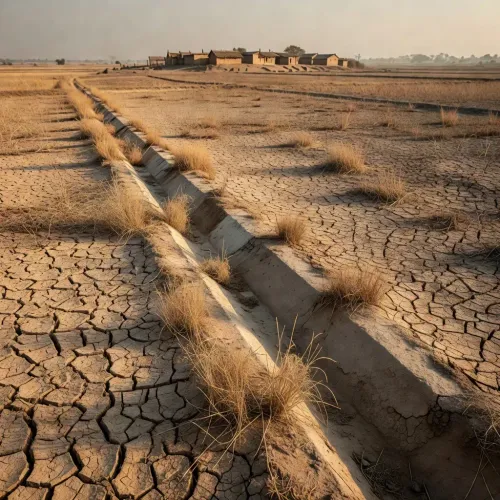
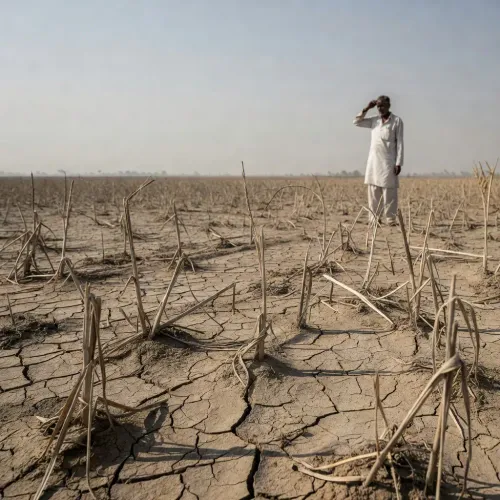
CM Devendra Fadnavis conducted a field inspection of drought-like conditions in Washim district's Mhasala, Mohgavhan, and Jaulka villages on September 24, 2026 .
Relief orders under Trigger-1 of Maharashtra's Drought Code will be issued the following day , without waiting for central government clearance.
Soybean and tur crops across Amravati division are in severe distress from rainfall deficit this kharif season.
The relief package includes cash aid, food grain support, children's education assistance, loan-waiver credits, and government procurement at support prices — all targeted for delivery before Diwali .
Employment will be generated through water-conservation works: desilting reservoirs, building jaltara structures, and repairing tanks.
The government will assess rabi-season crop potential in water-available zones and provide necessary inputs to farmers.
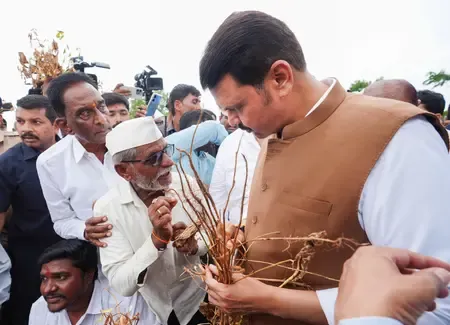
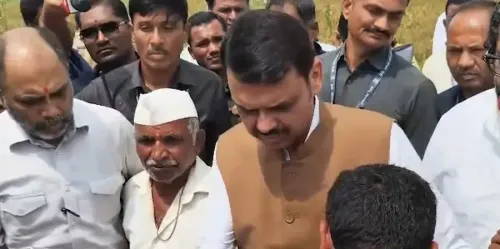
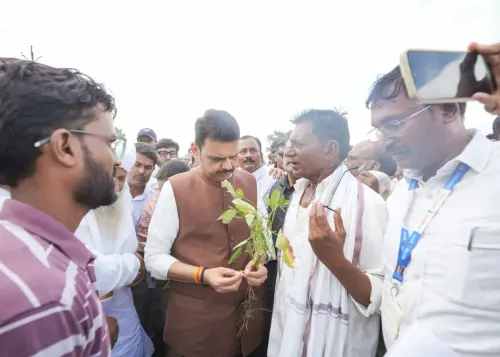
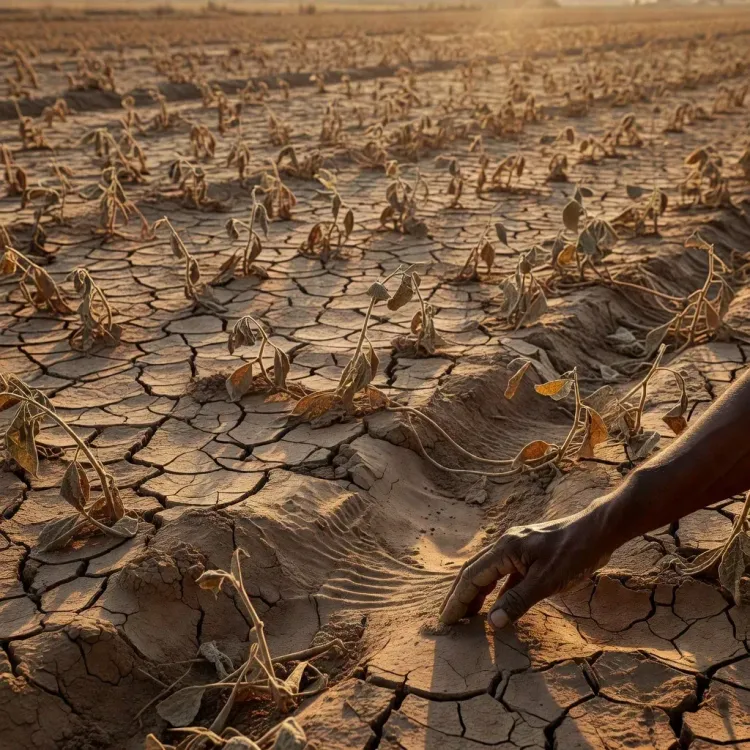
Walking onto the cracked, sun-baked fields of Washim district on Thursday, September 24, 2026, Chief Minister Devendra Fadnavis did something rare: he squatted at the bund of a farmer's field and listened. By the time he left, he had made a promise — relief orders would go out the very next day. The Chief Minister's Office of Maharashtra confirmed the visit and the announcement via an official post on X.
Fadnavis at the Bund: Three Villages, Four Farmers, One Deadline
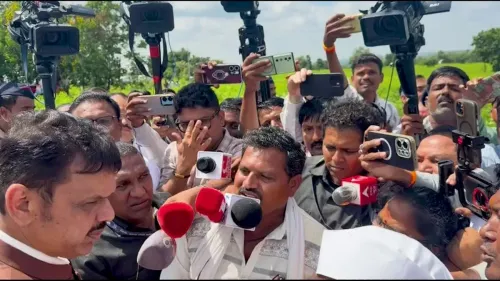
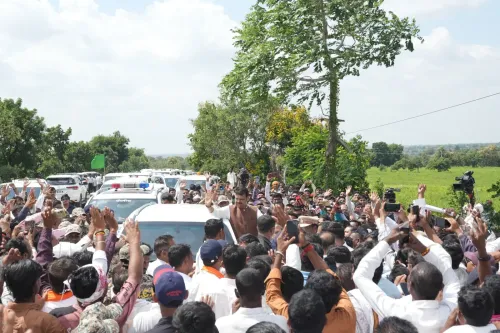
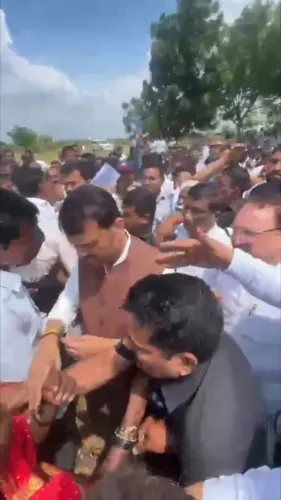
CM Fadnavis visited three drought-stressed villages across Washim district: Mhasala in taluka Karanja, Mohgavhan in taluka Mangrul Pir, and Jaulka in taluka Malegaon. At each farm, he spoke directly with cultivators — Devidas Kale of Mhasala, Anil Bhagre and Abdul Naim Sheikh Rahim of Mohgavhan, and Santosh Dumble of Jaulka. In one of the sharpest moments of the day, Santosh Dumble's mother, Shakuntala Bai Dumble, stood before the Chief Minister and described, in plain terms, what the failing crops had cost her family. Fadnavis told her — and the gathered farmers — that all possible help would be given.
Trigger-1: What the Relief Order Actually Means
The centrepiece of CM Fadnavis's announcement is the invocation of Trigger-1 under Maharashtra's Dushkal Sanhita (Drought Code). This provision allows the state government to release immediate, front-loaded relief without waiting for the central government's assessment machinery to complete its course — a critical distinction when farmers are weeks away from total crop loss. The relief order, Fadnavis said, would be issued the very next day.
Amravati division, which encompasses Washim and surrounding districts, has been hit hardest. Key kharif crops — soybean and tur (pigeon pea) — are both in distress. The state government has committed to pursuing the central government's relief simultaneously, completing the required panchnamas (field inspections and assessments) and submitting proposals, with a specific assurance that any areas inadvertently left out of the initial assessment would be included in subsequent rounds.
Diwali as a Deadline, and What Comes After
Fadnavis set an ambitious internal target: relief must reach farmers' hands before Diwali. The package is wider than a single cash transfer. Food grain assistance for needy families, direct support for children of affected farmers to keep their schooling uninterrupted, and an early start of registration for government procurement of farm produce at support prices are all part of the plan. Farmers who have already received the state's crop loan waiver will have those amounts credited to their accounts, and the Chief Minister urged banks to resume credit supply to these farmers as mandated by rules.
Looking ahead to the rabi season, the government will survey water-available pockets where a second crop might still be viable and provide necessary inputs. Employment generation will run through water-conservation works — desilting dried reservoirs, constructing jaltara (water-retention) structures, and repairing damaged tanks — a tried approach that simultaneously rebuilds rural livelihoods and water infrastructure.
The Political Weight Behind the Farm Visit
The field inspection was not a solo act. Flanking CM Fadnavis were Members of Parliament Sanjay Deshmukh and Anup Dhotre, along with six legislators — Babusingh Maharaj Rathod, Sai Dahake, Rajesh Bakane, Shyam Khode, Randhir Sawarkar, and Bhavana Gawali — plus senior district officials. The turnout signals that the ruling coalition views visible, on-ground responsiveness in Vidarbha's farming belt as both a governance priority and a political necessity ahead of the next electoral cycle.
Maharashtra's record on drought relief has long been a composite of rapid state action and slower federal reimbursement. By committing Trigger-1 funds immediately and laying out a pre-Diwali delivery window, Fadnavis is effectively short-circuiting the usual delay — and making himself personally accountable to a deadline.
Point of View
Fadnavis is deploying a well-tested Maharashtra playbook — front-load visible state relief, chase federal reimbursement separately — that historically shields ruling governments from farmer anger while bureaucratic timelines grind on. The explicit pre-Diwali delivery window raises the political stakes considerably: festivals are both a cultural deadline and a media moment, making failure to deliver highly visible. For Vidarbha, where agrarian distress has historically driven electoral outcomes, this combination of personal field visits and named farmers humanises what is otherwise a dry fiscal relief mechanism, turning a government order into a political narrative of responsiveness.
NationPress
24 Sept 2026
Frequently Asked Questions
What is Trigger-1 under Maharashtra's Drought Code?
Trigger-1 is a provision in Maharashtra's Drought Code that allows the state government to release immediate agricultural relief funds to affected farmers without waiting for the central government's formal drought declaration or assessment to be completed.
Which crops are affected by drought in Washim and Amravati division in 2026?
Soybean and tur (pigeon pea), the primary kharif crops grown across Amravati division including Washim district, are in severe distress due to rainfall deficit this season.
When will Maharashtra farmers receive drought relief after Fadnavis's announcement?
CM Fadnavis announced that the formal relief order will be issued the day after his September 24 visit, with the government planning to deliver assistance to farmers before Diwali.
What does the Maharashtra drought relief package include?
The package includes immediate cash aid under Trigger-1, food grain assistance for needy families, direct support to keep farmers' children in school, government procurement of farm produce at support prices, and employment through water-conservation works such as reservoir desilting and tank repairs.
Will Maharashtra wait for central government help before giving drought relief?
No. CM Fadnavis explicitly stated that state funds will be released immediately without waiting for central assistance, while the government simultaneously completes the required field assessments and sends proposals to New Delhi for federal reimbursement.