CM Fadnavis Orders Farmer-First Approach for Nashik Ring Road
Synopsis
Chief Minister Devendra Fadnavis chaired a meeting in Mumbai on 10 July 2026 ordering that Nashik Ring Road land-acquisition grievances of affected farmers be resolved on priority, issuing directives on zone-based compensation rates, irrigated-land corrections, and an inquiry into irregular land transactions near the project corridor.
Key Takeaways
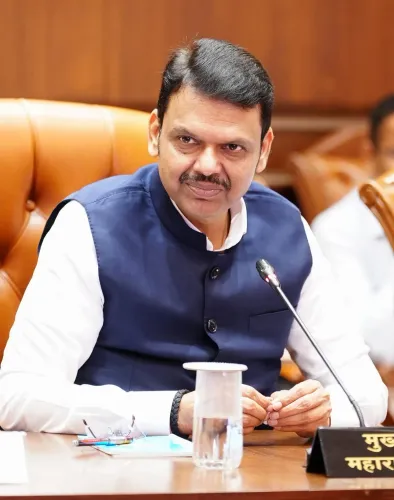
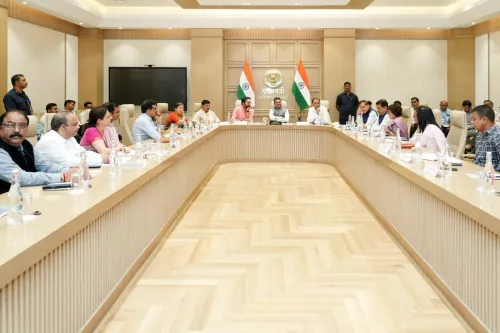
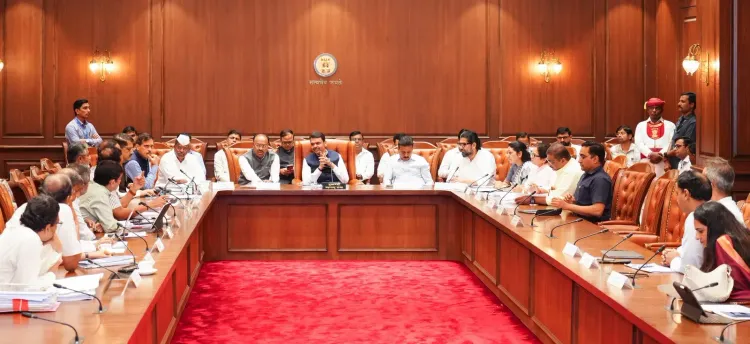
CM Devendra Fadnavis chaired a meeting at Vidhan Bhavan, Mumbai on 10 July 2026 on Nashik Ring Road farmer grievances.
Directed that the zone rate of any sale deed registered in a village before land acquisition must apply to the entire village for compensation purposes.
Ordered immediate correction wherever irrigated ( bagayati ) farmland was wrongly compensated at non-irrigated ( jirayati ) rates.
Where National Highway and Ring Road alignments overlap, only one road to be retained to minimise land acquisition.
Nagar Panchayats to be treated as urban bodies for multiplication-factor calculations, potentially raising farmer payouts.
Formal inquiry ordered into complaints of irregular land purchase and sale transactions near the Ring Road corridor.
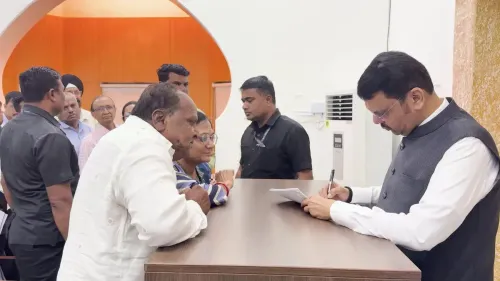
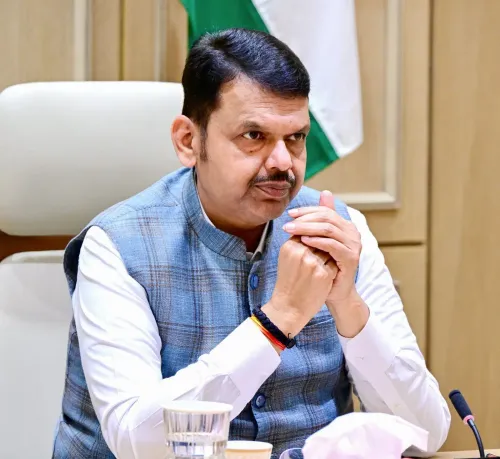
The Chief Minister's Office of Maharashtra announced on 10 July 2026 that Chief Minister Devendra Fadnavis chaired a high-level meeting at Vidhan Bhavan, Mumbai, to address the grievances of farmers displaced by the proposed Nashik Ring Road project, directing that all land-acquisition disputes be resolved on priority before construction proceeds.
Context
The meeting was convened specifically to hear complaints from project-affected farmers across villages along the proposed ring-road alignment. CM Fadnavis issued clear instructions: 'शेतकऱ्यांचे प्रश्न प्राधान्याने सोडवत रिंग रोडचे काम पूर्ण करावे' ('Complete the Ring Road work only after resolving farmers' issues on priority'). The directive signals that the government will not allow construction timelines to override compensation grievances.
A key order issued at the meeting concerns the zoning-based compensation formula. Fadnavis directed that whichever zone's sale deed (kharidekhat) was registered in a village before land acquisition, that zone's rate must apply to the entire village — preventing selective downgrading of compensation.
Policy Backdrop
The Nashik Ring Road is being fast-tracked primarily to handle the massive pilgrim influx expected during the Simhastha Kumbh Mela in Nashik, one of the largest religious gatherings in the world. Maharashtra has pursued similar circumferential road projects in cities such as Pune and Nagpur to ease urban congestion and support religious tourism, with land-acquisition disputes being a recurring flashpoint in each case.
State land-acquisition policy draws on the central Right to Fair Compensation and Transparency in Land Acquisition Act, 2013 and subsequent Maharashtra amendments, which distinguish between irrigated (bagayati) and non-irrigated (jirayati) land rates. Fadnavis directed that wherever irrigated farmland was wrongly compensated at non-irrigated rates, the correct higher rate must be applied immediately.
The CM also ordered that where the alignment of a National Highway and the Ring Road overlap, only a single road should be retained to minimise land acquisition. He further directed that Nagar Panchayats in the state be treated as 'urban bodies' for the purpose of applying multiplication factors (gunank) while calculating compensation — a move that could significantly raise payouts for farmers in peri-urban villages.
Stakeholders and Impact
Farmers in villages along the Nashik Ring Road corridor stand to benefit directly from the revised compensation framework. The government acknowledged receiving multiple complaints about irregular land purchase and sale transactions near the Ring Road alignment, and Fadnavis ordered a formal inquiry into all such cases, stating the government takes these irregularities seriously.
He also directed that existing roads that are widened as part of the project must trigger fresh land acquisition and compensation for the additional land taken from farmers — ensuring no incremental land loss goes uncompensated. Ministers Chandrashekar Bawankule, Girish Mahajan, Shivendra Sinharaje Bhosale, and Narhari Zirwal, along with several MLAs and senior officials, were present at the meeting.
What's Next
The Chief Minister's directives now require the state machinery to issue revised compensation notifications, conclude pending land-acquisition proceedings, and submit an inquiry report on alleged irregular transactions — all with an eye on meeting the infrastructure deadline tied to the Simhastha Kumbh Mela in Nashik. The pace of final land-acquisition notifications and cabinet approvals for revised rates will be the key indicators to watch in the coming weeks.
With a major religious event anchoring the deadline, the Fadnavis government faces the dual pressure of delivering infrastructure on time while demonstrating that farmer welfare is not a casualty of that urgency.
Point of View
If implemented, represent a meaningful administrative correction that could set a precedent for compensation frameworks in other ring-road projects across the state. The ordered inquiry into irregular land transactions near the corridor adds an anti-corruption dimension that could also serve as a deterrent ahead of large land-value appreciation once the road is built. Whether the bureaucracy can execute all three mandates — revised rates, corrected payments, and an inquiry — within the Kumbh Mela timeline remains the central test of this announcement.
NationPress
10 Jul 2026
Frequently Asked Questions
What is the Nashik Ring Road project?
The Nashik Ring Road is a proposed circumferential road project designed to decongest Nashik city and support the large-scale movement of pilgrims during the Simhastha Kumbh Mela. It has been fast-tracked by the Maharashtra government as part of broader infrastructure upgrades ahead of the Kumbh Mela.
What did CM Devendra Fadnavis decide about farmer compensation for the Nashik Ring Road?
CM Fadnavis directed that the zone rate of whichever sale deed was registered in a village before land acquisition must apply to the entire village. He also ordered that irrigated farmland wrongly compensated at non-irrigated rates must be corrected immediately, and that Nagar Panchayats be treated as urban bodies for calculating compensation multipliers.
Why is the Nashik Ring Road being built urgently?
The Nashik Ring Road is being prioritised to handle the massive influx of pilgrims expected during the Simhastha Kumbh Mela in Nashik. The state government has accelerated infrastructure work across Nashik keeping this religious event in view.
What inquiry did CM Fadnavis order regarding the Nashik Ring Road?
CM Fadnavis directed a formal inquiry into multiple complaints received about irregular land purchase and sale transactions near the Ring Road alignment, stating the government is serious about the matter.
What happens when the Nashik Ring Road and a National Highway share the same alignment?
CM Fadnavis directed that wherever the Ring Road and a National Highway alignment overlap, only one road should be retained to minimise land acquisition from farmers.