CM Fadnavis Orders Fast-Track Push for Marathwada Water Grid
Synopsis
Chief Minister Devendra Fadnavis has ordered officials to fast-track the Marathwada Water Grid Project, a large-scale piped drinking water infrastructure scheme for Maharashtra's chronically drought-prone Marathwada region, the CMO confirmed on 7 November 2026.
Key Takeaways
The Chief Minister's Office of Maharashtra confirmed on 7 November 2026 that CM Devendra Fadnavis has ordered acceleration of the Marathwada Water Grid Project .
The project targets all eight Marathwada districts — Chhatrapati Sambhajinagar, Latur, Osmanabad, Nanded, Beed, Hingoli, Parbhani, and Jalna — with piped, treated drinking water supply.
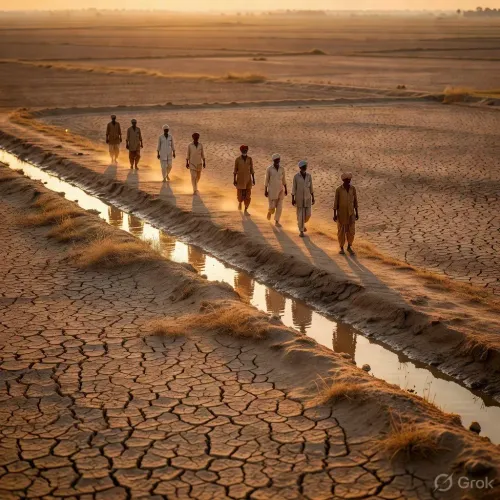
Marathwada is chronically drought-prone, sitting in the rain shadow of the Western Ghats and dependent on groundwater and emergency tankers each summer.
The directive was issued publicly via the CMO's official X account, signalling administrative pressure on implementation timelines.
The push comes as the post-monsoon dry season begins, heightening urgency ahead of the water-scarce months of early 2027.
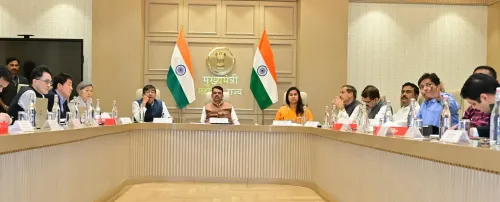
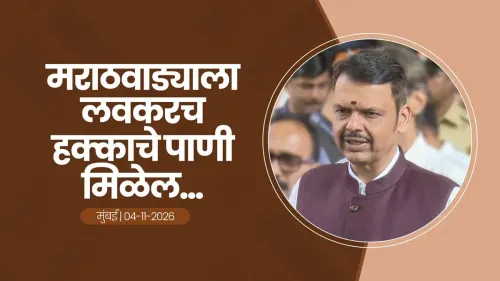
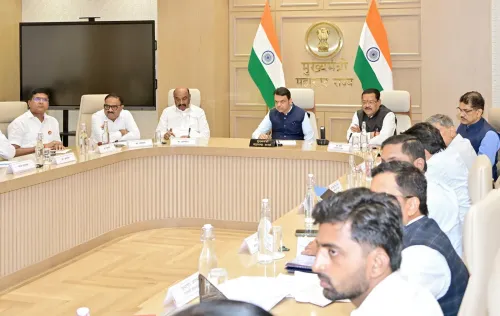
Water scarcity in Marathwada has long been Maharashtra's most stubborn crisis — and Chief Minister Devendra Fadnavis is now demanding it get solved faster. On Saturday, 7 November 2026, the Chief Minister's Office of Maharashtra posted on X, citing a direct directive from CM Fadnavis: accelerate the Marathwada Water Grid Project.
The post, hashtagged #Maharashtra and #DevendraFadnavis, carried a terse, authoritative message: 'मराठवाडा वॉटर ग्रीड प्रकल्पाला गती द्या' — 'Speed up the Marathwada Water Grid Project.' Short words. Unmistakable pressure.
Why Marathwada's Water Crisis Demands Urgency
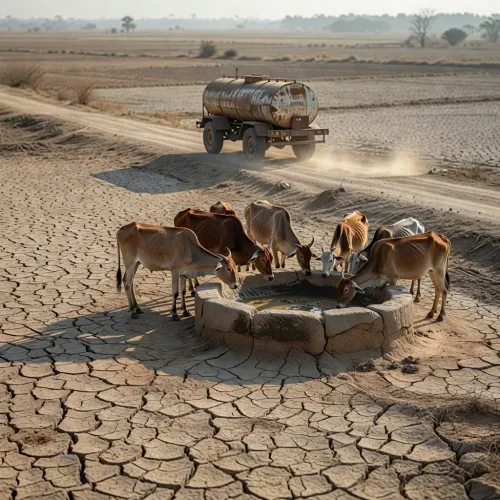
Marathwada — comprising districts including Aurangabad (Chhatrapati Sambhajinagar), Latur, Osmanabad, Nanded, Beed, Hingoli, Parbhani, and Jalna — is chronically drought-prone. The region sits in the rain shadow of the Western Ghats, receives erratic monsoon rainfall, and has historically relied on depleting groundwater and emergency tanker supplies every summer. Farmer distress, migration to cities, and recurring drinking-water shortages have made Marathwada a political and humanitarian flashpoint for decades.
What the Marathwada Water Grid Is Designed to Do
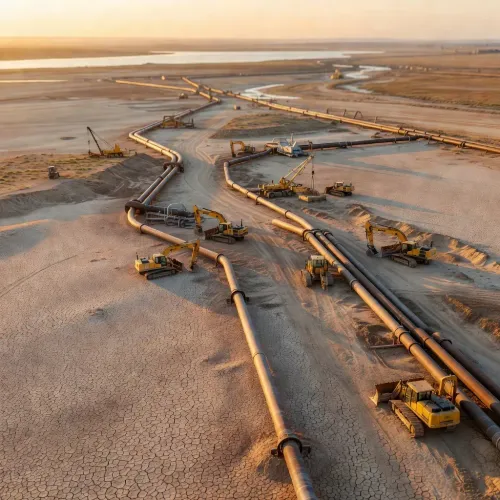
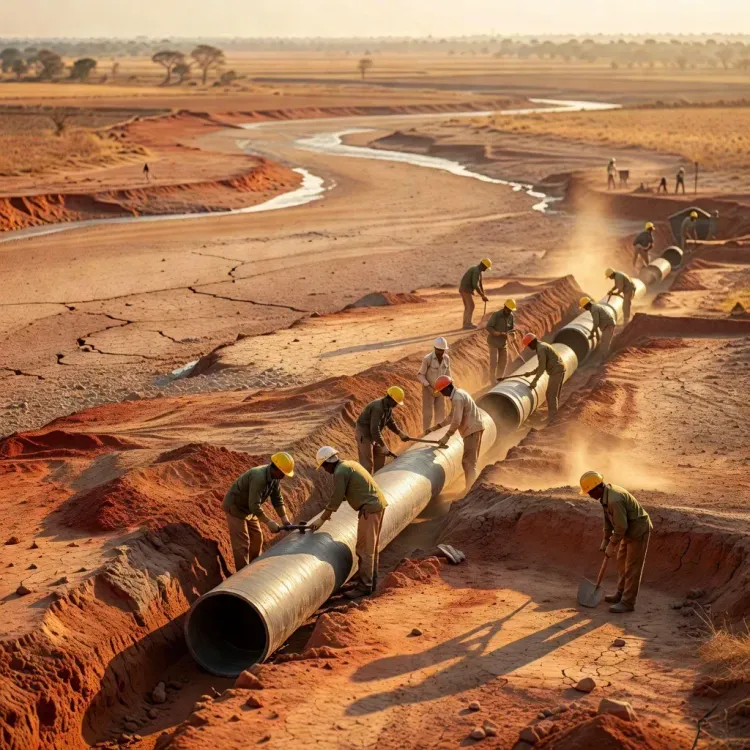
The Marathwada Water Grid Project is a large-scale regional water supply infrastructure initiative conceived to bring piped, treated drinking water to villages and towns across all eight Marathwada districts. The grid aims to draw from available river and reservoir sources, treat the water centrally, and distribute it through a network of pipelines — ending dependence on tankers and open wells. It is one of the more ambitious rural water supply schemes proposed for the region, targeting both drinking water security and reduced farmer distress tied to water scarcity.
Fadnavis's Push and What It Signals
Devendra Fadnavis, who holds the Chief Minister's office for Maharashtra and has long positioned infrastructure delivery as a signature of his governance, issuing this directive publicly is a signal to both his administration and voters. Marathwada's water woes have been a persistent political pressure point; a stalled or slow-moving grid project is not an abstraction — it is felt in every empty overhead tank and every kilometres-long tanker queue. The public nudge through the CMO's official handle puts implementation timelines squarely in the spotlight.
With the monsoon season receding and the dry months of 2027 already on the horizon, the urgency behind this directive is not merely rhetorical. The clock on Marathwada's water calendar runs fast — and CM Fadnavis is making clear he intends to outrun it.
Point of View
And a stalled flagship infrastructure project is a liability no administration can afford heading into drier months. The move fits a broader pattern of Fadnavis using high-visibility communications to drive bureaucratic urgency on legacy infrastructure gaps. Whether the directive translates into on-ground momentum will be the real test — and one that Marathwada's residents will measure in litres, not press releases.
NationPress
7 Nov 2026
Frequently Asked Questions
What is the Marathwada Water Grid Project?
The Marathwada Water Grid Project is a regional infrastructure scheme to supply piped, treated drinking water to villages and towns across all eight Marathwada districts in Maharashtra, aiming to end dependence on tankers and depleting groundwater.
Why is Marathwada so water-scarce?
Marathwada lies in the rain shadow of the Western Ghats, receives erratic monsoon rainfall, and has historically faced chronic drought conditions, leading to recurring drinking-water shortages and farmer distress every summer.
Which districts does the Marathwada Water Grid cover?
The grid is intended to cover all eight Marathwada districts: Chhatrapati Sambhajinagar (Aurangabad), Latur, Osmanabad, Nanded, Beed, Hingoli, Parbhani, and Jalna.
What did CM Devendra Fadnavis say about the water grid?
On 7 November 2026, the CMO's official X account quoted CM Fadnavis directing officials to 'speed up the Marathwada Water Grid Project,' signalling administrative pressure on the project's implementation pace.
Why is the Marathwada Water Grid politically significant for Maharashtra?
Water scarcity in Marathwada is a persistent humanitarian and political flashpoint. Delivering reliable water supply to the drought-prone region has been a longstanding promise, and delays in infrastructure projects there carry significant electoral consequences.