CM Fadnavis Performs Shahi Mahapuja at Pandharpur on Ashadhi Ekadashi
Synopsis
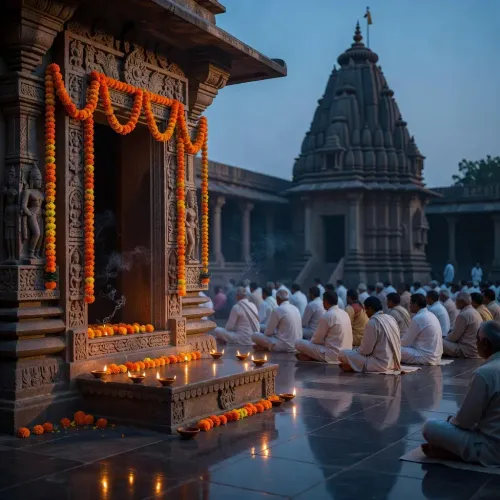
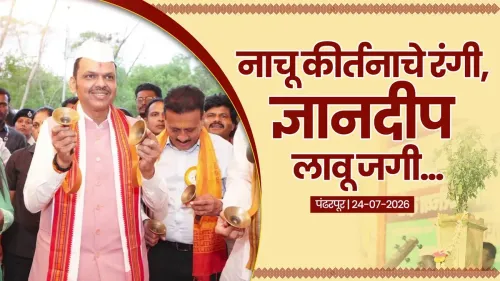
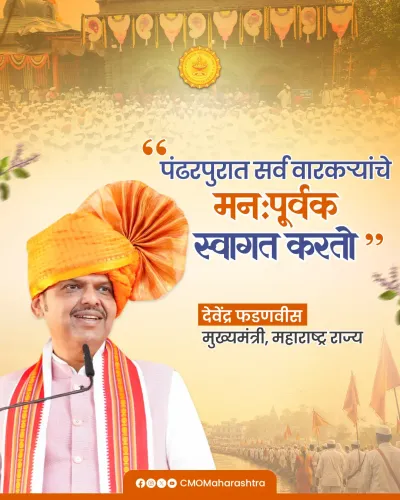
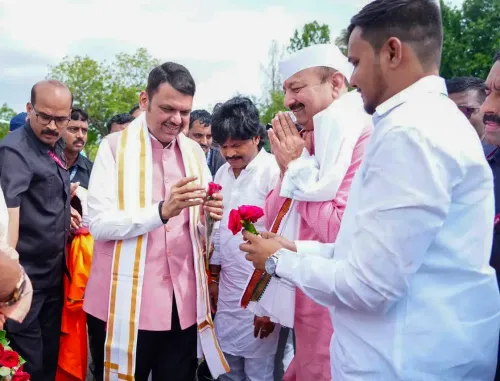
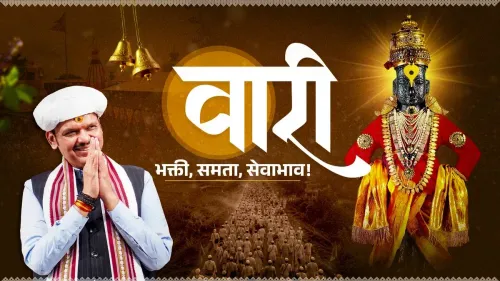
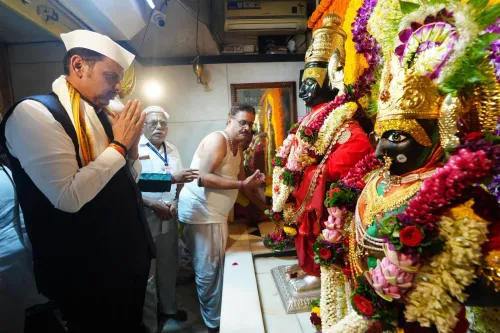
Chief Minister Devendra Fadnavis performed the ceremonial Shaskiya Mahapuja at the Shri Vitthal-Rukmini Temple in Pandharpur on Devshayani Ashadhi Ekadashi on 25 July 2026, continuing Maharashtra's decades-old tradition of official state participation in the Warkari pilgrimage festival.
Key Takeaways
Chief Minister Devendra Fadnavis performed the Shaskiya Mahapuja (official state worship) at Shri Vitthal-Rukmini Temple , Pandharpur , on 25 July 2026 .
The occasion was Devshayani Ashadhi Ekadashi , one of the largest annual Hindu pilgrimage events in Maharashtra .
The event was livestreamed, extending participation to devotees across the state and beyond.
Maharashtra governments have maintained the practice of official Chief Ministerial participation in the Pandharpur Mahapuja for several decades.
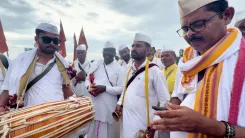
The Warkari community, which undertakes the annual foot pilgrimage to Pandharpur , is the primary stakeholder in this observance.
The next major pilgrimage milestone is Kartiki Ekadashi , marking the end of the Chaturmas period.
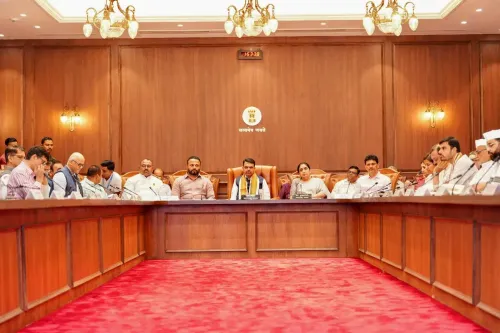
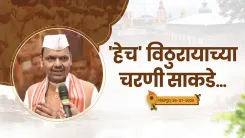
The Chief Minister's Office of Maharashtra announced on Saturday, 25 July 2026 that Chief Minister Devendra Fadnavis performed the ceremonial Shaskiya Mahapuja (official state worship) at the Shri Vitthal-Rukmini Temple in Pandharpur on the occasion of Devshayani Ashadhi Ekadashi.
The CMO's post, carrying the chant 'Vitthal... Vitthal... Jai Hari Vitthal!' ('Vitthal... Vitthal... Glory to Lord Vitthal!'), confirmed the event was livestreamed, underscoring the state government's intent to extend the occasion to devotees unable to attend in person.
Context
Ashadhi Ekadashi, observed on the eleventh day of the bright fortnight of the Hindu month of Ashadha, marks the beginning of Chaturmas — the four-month period during which Lord Vitthal is believed to rest. It is among the most significant observances in the Warkari pilgrimage tradition, drawing millions of devotees to Pandharpur each year. The town, located in Solapur district, is considered the spiritual heartland of Maharashtra's bhakti movement.
The Shaskiya Mahapuja — a formal state-sponsored worship ritual — is conducted by the sitting Chief Minister as a representative of the Maharashtra government, affirming the administration's institutional relationship with the temple and the Warkari community.
Policy Backdrop
Maharashtra governments have maintained the tradition of official participation in Pandharpur temple rituals during major Ekadashi festivals for several decades. The practice reflects a long-standing policy of the state recognising the Shri Vitthal-Rukmini Temple as a site of both religious and cultural importance, with the Chief Minister's participation serving as a formal acknowledgement of that status.
Chief Minister Devendra Fadnavis, who has previously held the state's top office, has consistently engaged with prominent Hindu festivals and pilgrimage events as part of his public duties. Such participation is broadly seen as an extension of the state's cultural governance responsibilities rather than a purely personal religious act.
Stakeholders and Impact
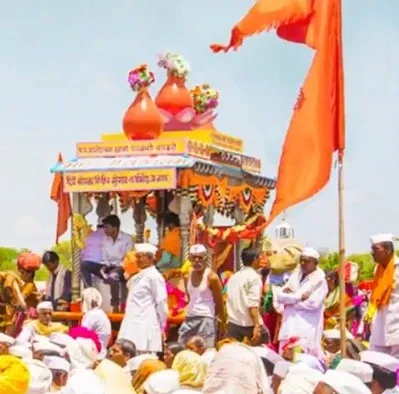
The Warkari community — devotees who undertake the annual pilgrimage to Pandharpur on foot — forms the primary constituency for this event. The tradition spans communities across Maharashtra and parts of neighbouring states, making Ashadhi Ekadashi one of the largest annual religious gatherings in the country.
The livestream of the Mahapuja broadens access for devotees who cannot travel to Pandharpur, a practice that has grown in significance in recent years. State infrastructure — including crowd management, transport, and civic services — is typically mobilised on a large scale to support the pilgrimage season.
What's Next
The completion of Ashadhi Ekadashi marks the start of the Chaturmas period, with the next major pilgrimage cycle culminating at Kartiki Ekadashi, typically observed in the month of Kartik. State authorities are expected to review crowd management and infrastructure arrangements following the 2026 gathering, with any government announcements related to temple development or pilgrim facilities likely to follow in the coming weeks.
Point of View
And successive governments have understood the symbolic weight of this annual gesture. By livestreaming the ceremony, the administration also extends its cultural reach beyond those physically present at Pandharpur. The event fits a broader pattern in Indian state politics where institutional participation in religious observances is treated as a dimension of cultural governance rather than a departure from it.
NationPress
25 Jul 2026
Frequently Asked Questions
What is Ashadhi Ekadashi and why is it significant in Maharashtra?
Ashadhi Ekadashi is an annual Hindu observance on the eleventh day of the bright fortnight of the month of Ashadha, marking the start of Chaturmas when Lord Vitthal is believed to rest. It is the most important festival in the Warkari pilgrimage tradition and draws millions of devotees to Pandharpur in Maharashtra every year.
What is the Shaskiya Mahapuja performed by the Maharashtra Chief Minister?
The Shaskiya Mahapuja is a formal, state-sponsored worship ritual conducted by the sitting Chief Minister of Maharashtra at the Shri Vitthal-Rukmini Temple in Pandharpur during major Ekadashi festivals. It represents the Maharashtra government's institutional relationship with the temple and the Warkari community.
Did Devendra Fadnavis attend Pandharpur Ashadhi Ekadashi 2026?
Yes, Chief Minister Devendra Fadnavis performed the official Shaskiya Mahapuja at the Shri Vitthal-Rukmini Temple in Pandharpur on Devshayani Ashadhi Ekadashi on 25 July 2026, as confirmed by the Chief Minister's Office of Maharashtra.
Where is the Vitthal-Rukmini Temple located?
The Shri Vitthal-Rukmini Temple is located in Pandharpur, a town in Solapur district, Maharashtra. It is the focal point of the Warkari pilgrimage tradition and one of the most revered Hindu temples in the state.
When is the next major pilgrimage after Ashadhi Ekadashi?
The next major pilgrimage milestone in the Warkari tradition after Ashadhi Ekadashi is Kartiki Ekadashi, observed in the Hindu month of Kartik, which marks the end of the Chaturmas period.