CM Fadnavis Prays at Pandharpur for Rain, Farmer Welfare
Synopsis
Maharashtra Chief Minister Devendra Fadnavis visited Pandharpur on 25 July 2026 during the Ashadhi Wari pilgrimage, offering prayers at the Vithoba temple and publicly appealing for good monsoon rains and the well-being of the state's farming community under the Nirmal Wari initiative.
Key Takeaways
Devendra Fadnavis visited Pandharpur on 25 July 2026 during the annual Ashadhi Wari pilgrimage.
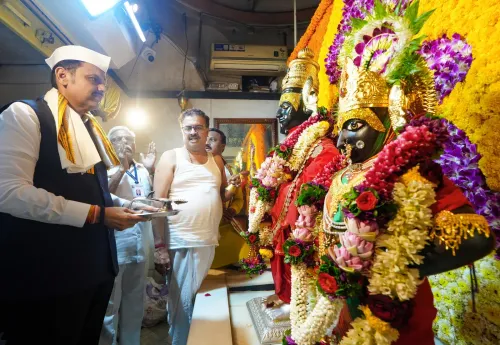
He offered prayers at the Vithoba temple , invoking blessings for Maharashtra's farmers and a good monsoon season.
The post used the traditional Marathi honorific 'Balirajaa' for farmers, signalling outreach to rural communities.
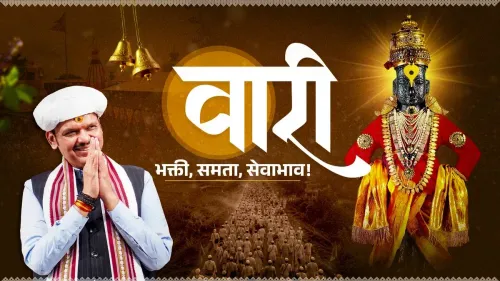
The #NirmalWari hashtag highlights the state's cleanliness and eco-friendly pilgrimage initiative running alongside the Wari.
Maharashtra's agriculture is heavily monsoon-dependent, making the public prayer a message with direct policy resonance.
State administrations have provided logistical and sanitation support for the Wari for decades, reflecting its scale and cultural importance.
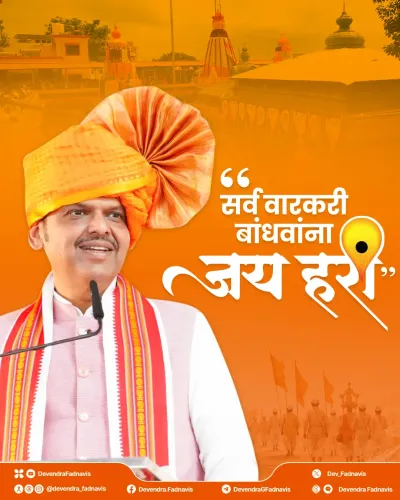
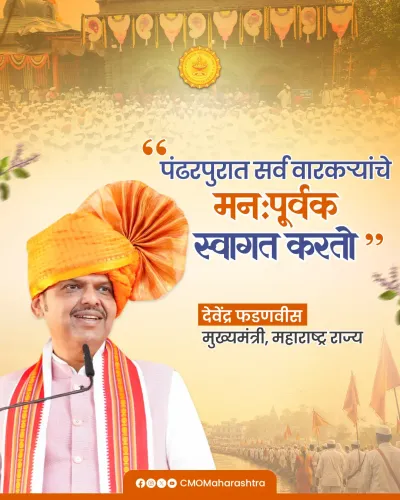
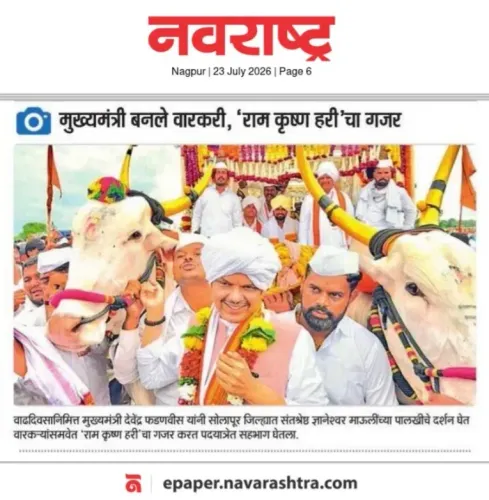
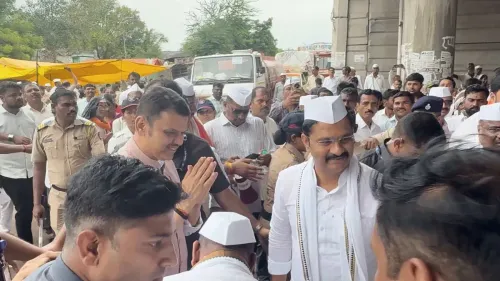
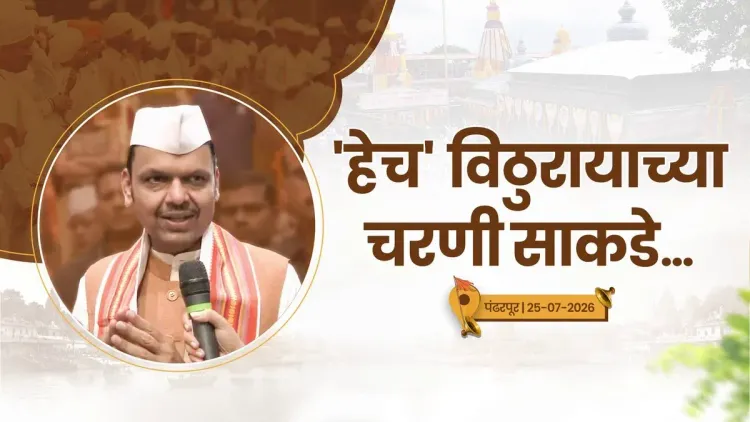
Maharashtra Chief Minister Devendra Fadnavis visited the holy town of Pandharpur on Saturday, 25 July 2026, offering prayers at the revered Vithoba temple and invoking the deity's blessings for a good monsoon and the prosperity of the state's farming community during the ongoing Ashadhi Wari pilgrimage.
Context
Posting in Marathi on the occasion, Fadnavis wrote: 'आमच्या बळीराजाला सुखी समाधानी कर, महाराष्ट्रात चांगला पाऊस पडू दे हेच विठुरायाच्या चरणी साकडे...' — translated: 'This is my appeal at the feet of Vitthal: make our Balirajaa [the farmer] happy and content, and let good rains fall on Maharashtra.' The post was tagged with #NirmalWari and #AshadhiWari, placing it firmly within the state's ongoing pilgrimage season.
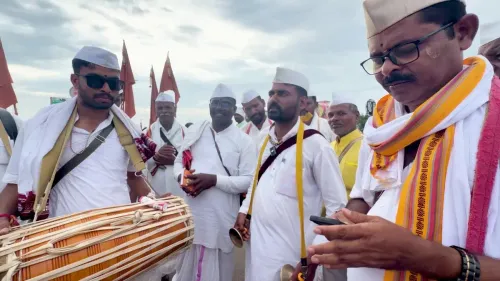
The Ashadhi Wari is one of Maharashtra's most significant annual religious events, drawing hundreds of thousands of warkaris (devotees) who walk to Pandharpur in Solapur district to seek the blessings of Vitthal, also known as Vithoba. The pilgrimage falls in the Hindu month of Ashadh and serves as a cultural touchstone for rural Maharashtra.
Policy Backdrop
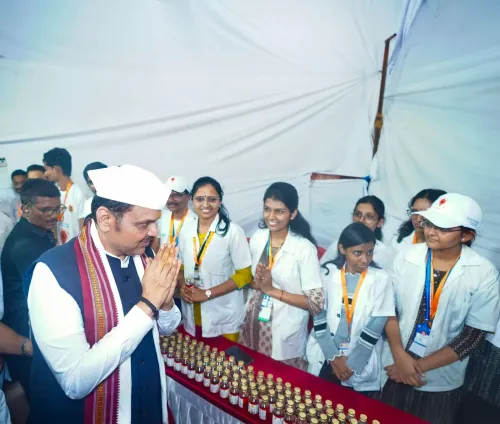
The Nirmal Wari initiative, referenced in the Chief Minister's hashtags, is a state-supported programme promoting cleanliness and eco-friendly practices along the pilgrimage route. Maharashtra administrations have provided logistical, sanitation, and crowd-management support for the Wari for decades, reflecting the event's scale and significance to the state's social fabric.
The prayer for rain carries direct policy weight: Maharashtra's agriculture is heavily monsoon-dependent, and below-average rainfall in any season triggers cascading concerns around crop yields, farm incomes, and rural distress. During his earlier term as Chief Minister from 2014 to 2019, Fadnavis oversaw several farmer welfare measures tied to monsoon performance and agricultural stability.
Stakeholders and Impact
The message speaks directly to Maharashtra's farming community — referred to in the post by the traditional honorific 'Balirajaa', a deeply rooted term of respect for farmers in Marathi culture. With agriculture employing a large share of the state's rural population, any shortfall in the monsoon has wide economic and social consequences.
For the hundreds of thousands of warkaris converging on Pandharpur this season, the Chief Minister's presence and public prayer signal the state government's continued engagement with the Wari as both a cultural institution and a platform for connecting with rural constituents. The Nirmal Wari tag also underscores the administration's push to maintain cleanliness standards at one of Maharashtra's largest mass gatherings.
What's Next
Attention will now turn to the progress of the 2026 monsoon season across Maharashtra and whether the state government follows up with concrete announcements on water conservation, irrigation support, or drought mitigation measures in the coming weeks. The Ashadhi Wari period traditionally marks a moment when political leaders signal their priorities to rural Maharashtra, and any policy action in the weeks following this visit will be closely watched by farmer organisations and opposition parties alike.
Point of View
He ties the BJP's rural outreach directly to Maharashtra's most beloved pilgrimage tradition. The move fits a broader pattern of Maharashtra Chief Ministers using the Wari season to signal solidarity with rural voters, particularly at a time when monsoon performance shapes both farm incomes and electoral sentiment. The Nirmal Wari reference also lets the administration claim a governance dividend from the pilgrimage, reinforcing its image as a facilitator of both faith and civic order.
NationPress
25 Jul 2026
Frequently Asked Questions
What did CM Devendra Fadnavis do at Pandharpur on 25 July 2026?
Chief Minister Devendra Fadnavis visited the Vithoba temple in Pandharpur on 25 July 2026 during the Ashadhi Wari pilgrimage and offered prayers seeking good monsoon rains and well-being for Maharashtra's farmers.
What is Ashadhi Wari and why is it significant?
Ashadhi Wari is an annual Hindu pilgrimage held in the month of Ashadh, during which hundreds of thousands of devotees walk to Pandharpur in Solapur district to seek the blessings of Lord Vitthal. It is one of Maharashtra's most important cultural and religious events.
What is Nirmal Wari?
Nirmal Wari is a state-supported initiative that promotes cleanliness and eco-friendly practices along the Wari pilgrimage route, ensuring the large gathering is managed in an environmentally responsible and hygienic manner.
Why did Fadnavis pray for rain at a religious pilgrimage?
Maharashtra's agriculture is heavily dependent on the monsoon, and a prayer for good rainfall at a revered temple during the Wari season is both a religious tradition and a public signal of the government's concern for farmer welfare.
Who is called 'Balirajaa' in Maharashtra?
'Balirajaa' is a traditional Marathi honorific for farmers, expressing deep respect for their role as the backbone of rural society. Fadnavis used the term in his post to address Maharashtra's farming community.