CM Fadnavis Joins Ashadhi Ekadashi Prayers at Pandharpur
Synopsis
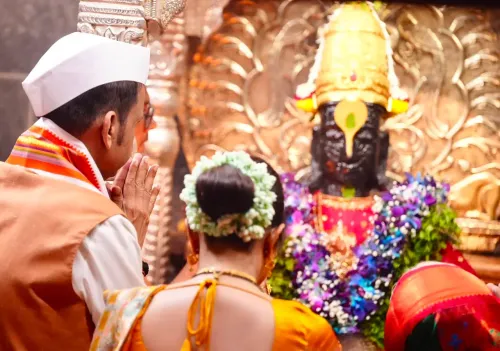
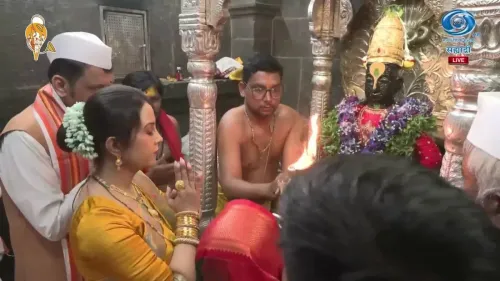
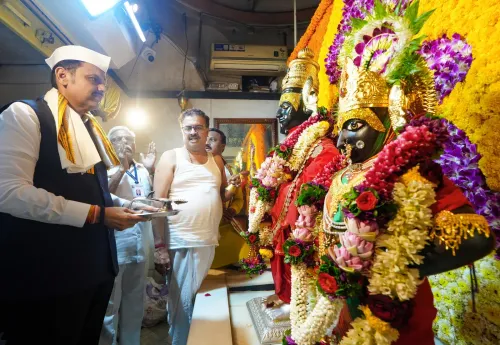
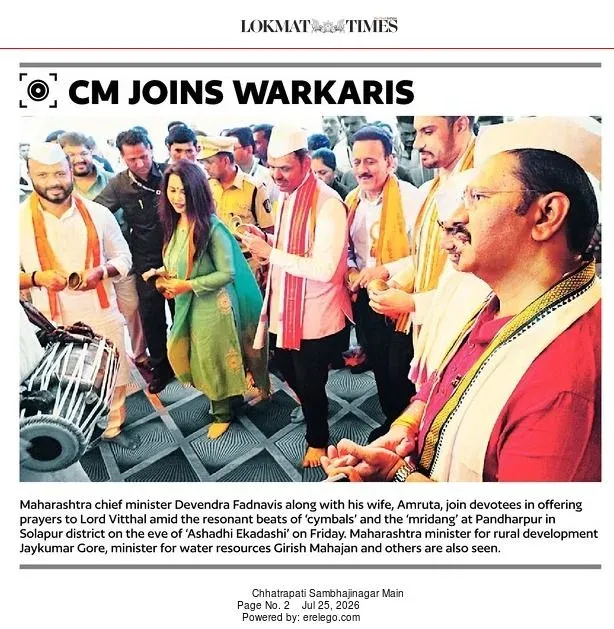
Chief Minister Devendra Fadnavis joined devotees at Pandharpur on 25 July 2026, offering prayers to Lord Vitthal on the eve of Ashadhi Ekadashi amid the traditional beats of mridang and cymbals, continuing a long-standing practice of Maharashtra chief ministers participating in the annual Wari observance.
Key Takeaways
CM Devendra Fadnavis offered prayers to Lord Vitthal at the Vithoba temple in Pandharpur on 25 July 2026 .
The occasion was the eve of Ashadhi Ekadashi , the most significant day in the Pandharpur Wari calendar.
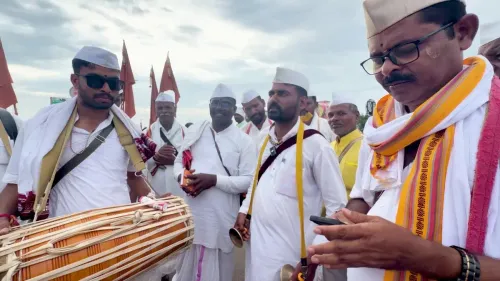
The CM participated amid the traditional devotional atmosphere of cymbals and the mridang , instruments central to Wari processions.
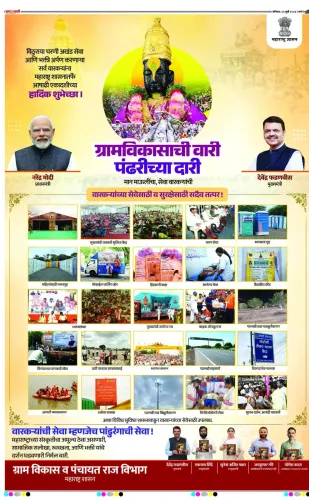
Pandharpur in Solapur district is the endpoint of the centuries-old pilgrimage involving the palkhis of Sant Tukaram and Sant Dnyaneshwar .
Maharashtra chief ministers have maintained a long-standing practice of attending Ashadhi Ekadashi observances at Pandharpur.
The Chief Minister's Office of Maharashtra announced on Saturday, 25 July 2026, that Chief Minister Devendra Fadnavis joined devotees in offering prayers to Lord Vitthal at Pandharpur on the eve of Ashadhi Ekadashi, participating in the devotional atmosphere marked by the resonant beats of cymbals and the mridang.
Context
Pandharpur, a town in Solapur district, Maharashtra, is home to the revered Vithoba temple and serves as the culminating destination of the annual Pandharpur Wari — one of the oldest and most expansive pilgrimage traditions in the country. The Wari draws millions of devotees each year who walk in procession with the palkhis of saints Sant Tukaram and Sant Dnyaneshwar, singing abhangas and carrying the bhakti tradition forward across generations. The eve of Ashadhi Ekadashi marks the peak of this pilgrimage, when the faithful converge at the temple to seek the blessings of Lord Vitthal.
Ashadhi Ekadashi falls in the Hindu month of Ashadha and is regarded as one of the most sacred days in the Varkari calendar. The occasion holds deep cultural and spiritual significance for Maharashtra and for Varkari communities across the Deccan region.
Policy Backdrop
Maharashtra chief ministers have long maintained the practice of attending Ashadhi Ekadashi observances at Pandharpur, treating participation as both a cultural duty and a gesture of solidarity with the Varkari community. CM Fadnavis, who has held the office across multiple terms, has consistently engaged with major state religious and cultural events. His presence at Pandharpur on this occasion follows that established pattern of official participation in the Wari cycle.
The bhakti movement, of which the Wari is a living expression, has historically transcended caste and regional lines, making it one of the most socially inclusive traditions in Maharashtra. State leaders attending such observances signal continuity of respect for this heritage without altering administrative or religious policy.
Stakeholders and Impact
The primary stakeholders are the millions of Wari pilgrims and Maharashtrian devotees who undertake the arduous journey to Pandharpur each year. For the Varkari community, the chief minister's participation carries symbolic weight, affirming state recognition of a tradition that is centuries old. The beats of the mridang (a two-headed drum) and cymbals — called tal in Marathi devotional practice — form the sonic backbone of Wari processions, and the CM's joining in this atmosphere underlines the cultural resonance of the event beyond its religious dimension.
Crowd management, pilgrim safety, and civic infrastructure at Pandharpur during the Wari are perennial administrative concerns. The chief minister's high-profile presence also focuses state attention on ensuring adequate facilities for the large numbers of devotees who gather at the site.
What's Next
With Ashadhi Ekadashi marking the midpoint of the Wari calendar, attention will turn to the Kartiki Ekadashi observance later in the year, which marks the return journey of the palkhis. CM Fadnavis is also expected to remain visible at other major Maharashtra festivals including Ganeshotsav. Any government announcements on expanded pilgrim infrastructure, crowd-management measures, or welfare schemes for Wari participants in the months ahead will be closely watched by the Varkari community and state administrators alike.
Point of View
Where engagement with the Varkari community carries both cultural and electoral significance given the movement's deep roots across caste lines. The Wari draws millions of participants annually, making it one of the largest peaceful mass gatherings in India and a visible stage for state leadership. By joining the devotional atmosphere — specifically the mridang and cymbals that define the Wari's sonic identity — the CM signals personal identification with the bhakti tradition rather than merely a ceremonial presence. This pattern of blending official visibility with religious participation is likely to continue as the state approaches other major festival cycles including Ganeshotsav.
NationPress
24 Oct 2026
Frequently Asked Questions
What is Ashadhi Ekadashi and why is it significant in Maharashtra?
Ashadhi Ekadashi is a Hindu observance in the month of Ashadha that marks the culmination of the Pandharpur Wari pilgrimage, when millions of Varkari devotees arrive at the Vithoba temple in Pandharpur to offer prayers to Lord Vitthal. It is one of the most sacred days in the Varkari calendar and a major cultural event in Maharashtra.
What is the Pandharpur Wari?
The Pandharpur Wari is a centuries-old pilgrimage tradition in Maharashtra in which devotees walk in procession with the palkhis of saints Sant Tukaram and Sant Dnyaneshwar to the Vithoba temple in Pandharpur, drawing several million participants each year.
Why did CM Devendra Fadnavis go to Pandharpur?
CM Devendra Fadnavis joined devotees at Pandharpur on the eve of Ashadhi Ekadashi on 25 July 2026 to offer prayers to Lord Vitthal, continuing the established practice of Maharashtra chief ministers participating in the annual Wari observance.
Where is Pandharpur located?
Pandharpur is a town in Solapur district, Maharashtra, and is the home of the revered Vithoba temple, the endpoint of the annual Pandharpur Wari pilgrimage.
What instruments are associated with the Pandharpur Wari?
The mridang, a two-headed drum, and cymbals (called tal in Marathi devotional practice) are the central instruments of Wari processions, providing the rhythmic foundation for devotional singing during the pilgrimage.