CM Fadnavis Offers Prayers at Pandharpur on Ashadhi Ekadashi
Synopsis
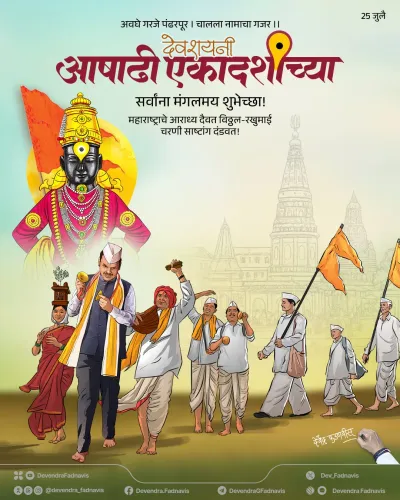
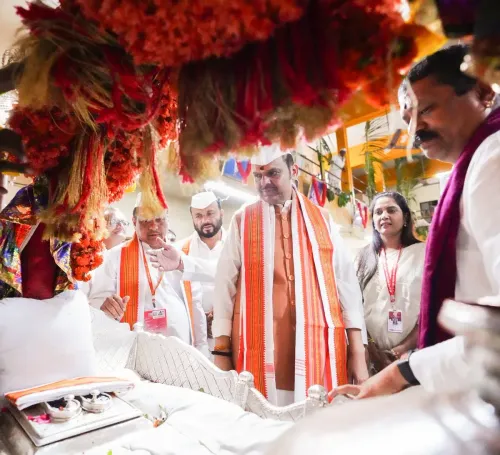
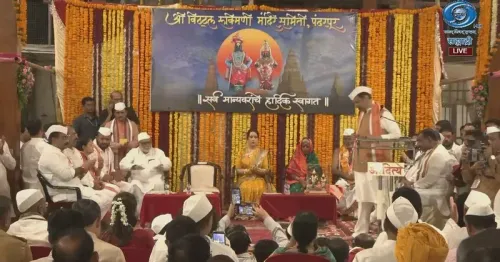
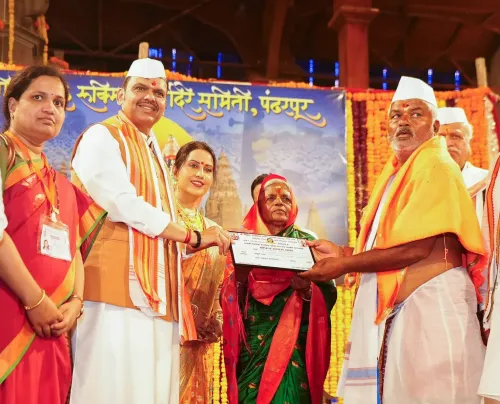
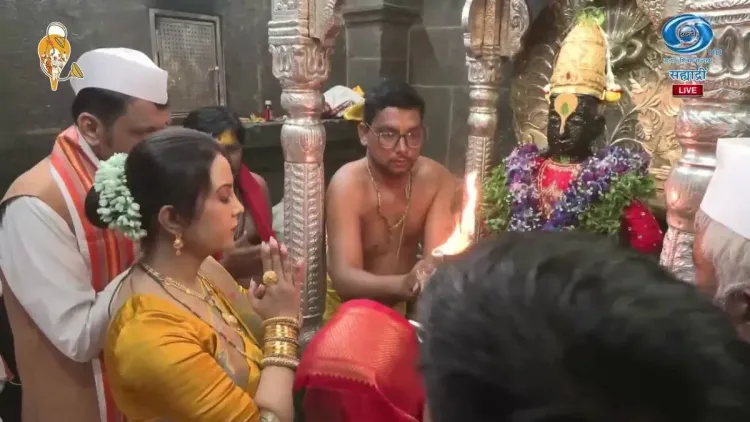
Maharashtra Chief Minister Devendra Fadnavis attended the state-conducted Shaskiya Mahapuja at the Vitthal-Rukmini Temple in Pandharpur on Ashadhi Ekadashi, 25 July 2026, performing aarti and bowing at the feet of Lord Vitthal and Mata Rukmini as lakhs of Warkari pilgrims gathered for the annual Wari.
Key Takeaways
CM Devendra Fadnavis participated in the Shaskiya Mahapuja at Pandharpur on 25 July 2026 , the occasion of Ashadhi Ekadashi .
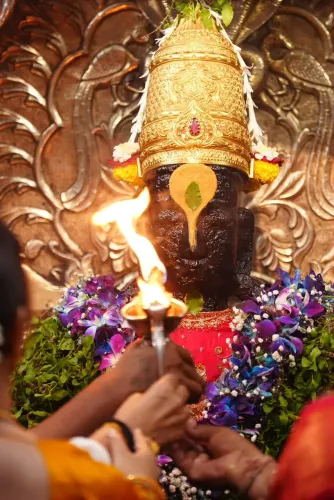
He performed the aarti of Bhagwan Shri Vitthal and Mata Shri Rukmini after the official mahapuja was completed with full ritual observance.
The Shaskiya Mahapuja is a state-conducted ceremony institutionalised by the Maharashtra government as part of Ashadhi Ekadashi protocol.
The Pandharpur Wari draws lakhs of Warkari pilgrims annually, making it one of India's largest peaceful pilgrimages.
Chief Ministers of Maharashtra have routinely participated in these Wari rituals, continuing a practice that blends state protocol with devotional tradition.
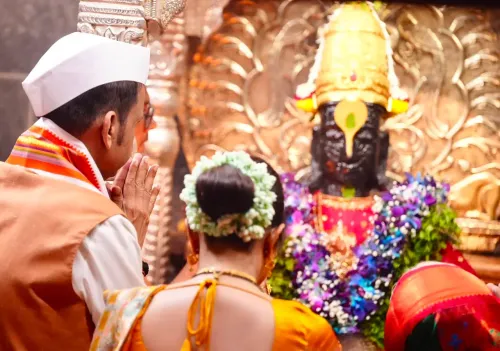
Maharashtra Chief Minister Devendra Fadnavis participated in the Shaskiya Mahapuja (state-conducted grand worship) at the Vitthal-Rukmini Temple in Pandharpur on Saturday, 25 July 2026, on the occasion of Ashadhi Ekadashi, and offered prayers at the feet of Bhagwan Shri Vitthal and Mata Shri Rukmini.
Sharing the moment on X, Fadnavis posted a devotional verse in Marathi — 'Sadhu-santajana karito prarthana, bhetava Devrana Dwarkecha' (The saints and sages pray: grant us the vision of the Lord of Dwarka) — before describing how the official mahapuja was conducted with full ritual observance. He wrote that after the mahapuja was completed in accordance with prescribed rites, he performed the aarti of Vitthal and Rukmini and bowed at their feet to receive their blessings.
Context
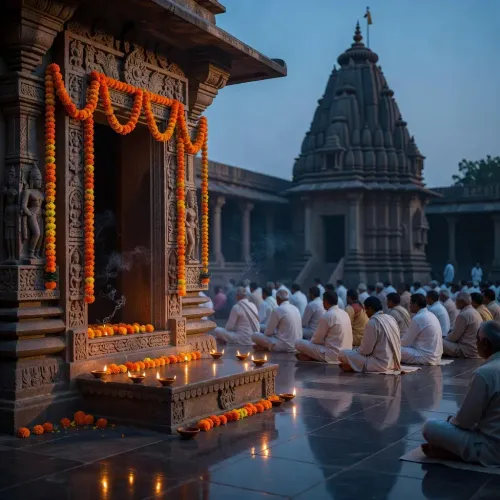
Ashadhi Ekadashi is one of the most significant Hindu observances in Maharashtra, falling in the month of Ashadh on the lunar calendar. It marks the culmination of the annual Pandharpur Wari, a centuries-old pilgrimage tradition in which lakhs of Warkari devotees walk from across Maharashtra to converge at Pandharpur for the darshan of Lord Vitthal. The Vitthal-Rukmini Temple at Pandharpur is the spiritual heart of this tradition, drawing one of the largest peaceful gatherings of pilgrims in India each year.
Policy Backdrop
Maharashtra governments have long institutionalised the Shaskiya Mahapuja — a state-conducted worship ceremony — as part of the official Ashadhi Ekadashi observances at Pandharpur. This practice, continued across successive administrations, reflects the state's formal recognition of the Wari as a matter of public importance, with the government providing security, sanitation, medical facilities, and logistical support for the pilgrimage. The Chief Minister's personal participation in the mahapuja and aarti is a continuation of this protocol, blending state duty with devotional tradition.
Stakeholders and Impact
The Warkari community — devotees of the Varkari sampradaya who undertake the annual Wari — forms the primary stakeholder group, numbering in the lakhs who gather at Pandharpur for Ashadhi Ekadashi. The Chief Minister's visible participation in the state mahapuja carries symbolic weight for this community, signalling institutional respect for the pilgrimage tradition. Broader Maharashtra society, particularly in rural and semi-urban areas where the Wari holds deep cultural resonance, also follows these observances closely.
What's Next
Attention will now turn to the state's post-Wari review of pilgrim infrastructure, sanitation, and crowd management at Pandharpur, with any new directives or improvements likely to be announced in the weeks following Ashadhi Ekadashi. The next major milestone in the Warkari calendar will be Kartiki Ekadashi, when pilgrims once again converge on Pandharpur, and the state's arrangements for that gathering will be watched by temple authorities and the Warkari community alike.
Point of View
Visible devotional participation at one of Maharashtra's most revered pilgrimage sites also carries political resonance with the Warkari community, which cuts across caste and regional lines. The gesture reinforces the party's broader effort to position itself as a custodian of Maharashtra's religious and cultural heritage. At the same time, the practice predates the current government, lending it an institutional character that transcends partisan framing.
NationPress
23 Oct 2026
Frequently Asked Questions
What is Ashadhi Ekadashi and why is it important in Maharashtra?
Ashadhi Ekadashi is a major Hindu observance in the month of Ashadh, marking the culmination of the annual Pandharpur Wari pilgrimage in Maharashtra. Lakhs of Warkari devotees walk from across the state to Pandharpur to seek the darshan of Lord Vitthal on this day, making it one of the largest pilgrimages in India.
What is the Shaskiya Mahapuja at Pandharpur?
The Shaskiya Mahapuja is a state-conducted grand worship ceremony held at the Vitthal-Rukmini Temple in Pandharpur during Ashadhi Ekadashi. It is an official ritual organised by the Maharashtra government, and the Chief Minister traditionally participates in it.
Did CM Devendra Fadnavis visit Pandharpur for Ashadhi Ekadashi 2026?
Yes, Maharashtra Chief Minister Devendra Fadnavis attended the Shaskiya Mahapuja at the Vitthal-Rukmini Temple in Pandharpur on 25 July 2026, performed aarti, and bowed at the feet of Lord Vitthal and Mata Rukmini to receive their blessings.
What is the Pandharpur Wari?
The Pandharpur Wari is a centuries-old pilgrimage tradition in Maharashtra in which Warkari devotees walk in procession from various parts of the state to Pandharpur to worship Lord Vitthal. The Ashadhi Wari, culminating on Ashadhi Ekadashi, is the most prominent of these pilgrimages.
Who is Lord Vitthal and where is his main temple?
Lord Vitthal, also known as Vithoba or Pandurang, is a form of Vishnu or Krishna worshipped predominantly in Maharashtra and Karnataka. His principal temple, the Vitthal-Rukmini Temple, is located in Pandharpur in Solapur district of Maharashtra and is the focal point of the annual Wari pilgrimage.