CM Fadnavis Seeks Blessings at Pandharpur on Ashadhi Ekadashi
Synopsis
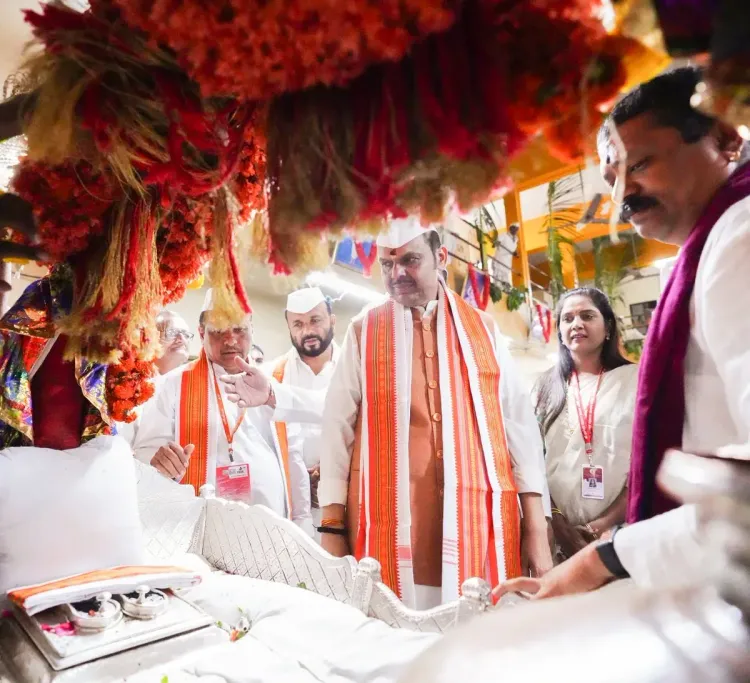
Maharashtra Chief Minister Devendra Fadnavis visited Pandharpur on 25 July 2026 during Ashadhi Ekadashi, sought darshan of Sant Dnyaneshwar's padukas, and prayed for the welfare of Maharashtra's farmers and all citizens amid the annual Warkari pilgrimage.
Key Takeaways
CM Devendra Fadnavis visited Pandharpur on 25 July 2026 during the Ashadhi Ekadashi pilgrimage.
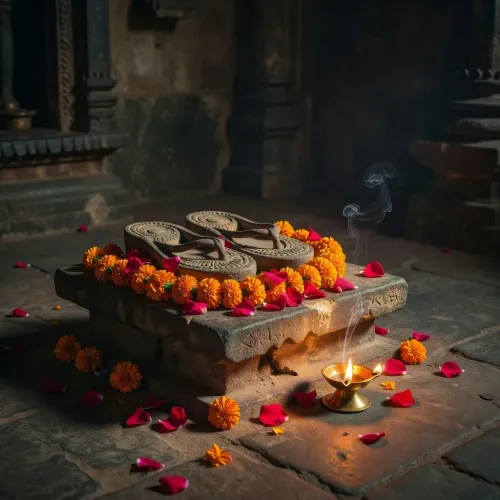
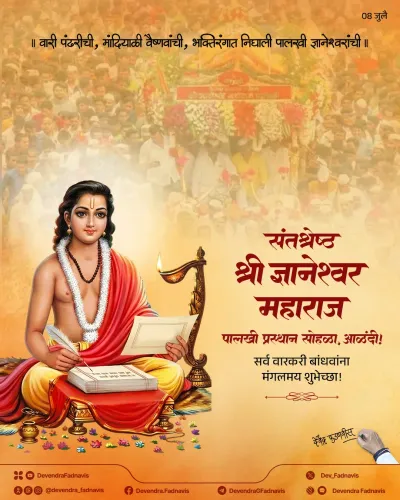
He sought darshan of the padukas of Santshreshtha Shri Dnyaneshwar Mauli , the 13th-century Marathi saint-poet.
The CM offered prayers for the prosperity of Baliraj — Maharashtra's farming community — and for the fulfilment of citizens' wishes.
The visit coincided with the annual Pandharpur Wari , which draws millions of Warkari pilgrims to Solapur district.
Maharashtra governments have historically deployed large administrative and security arrangements to manage the Wari's pilgrim influx.
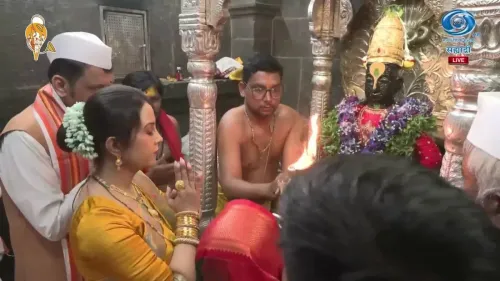
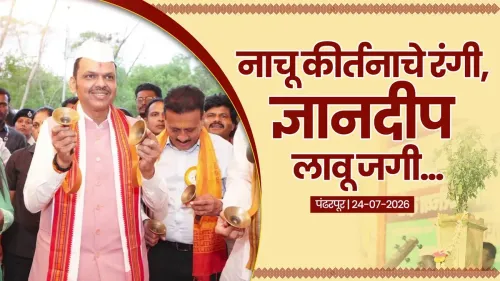
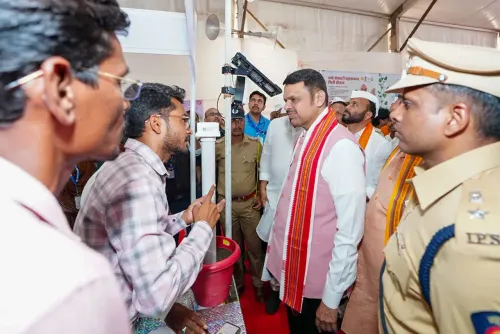
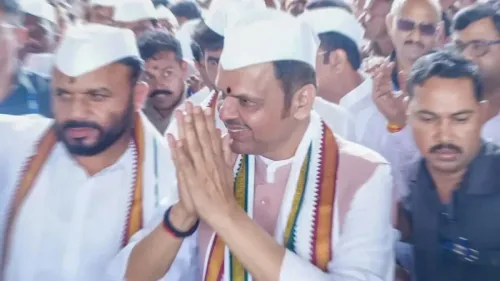
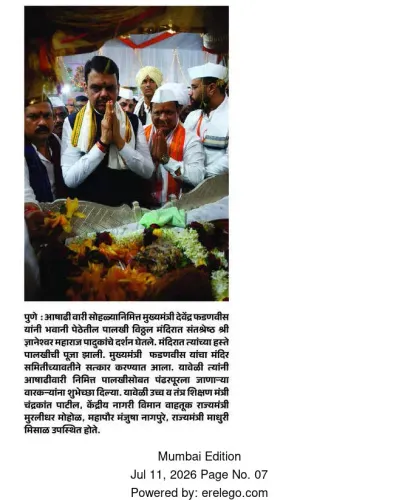
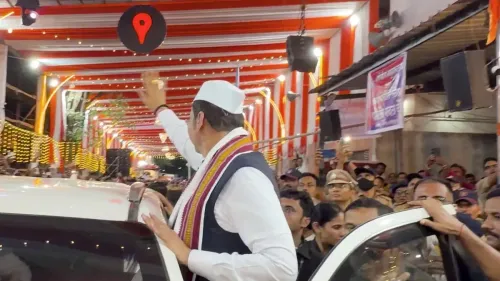
Maharashtra Chief Minister Devendra Fadnavis visited Pandharpur on Saturday, 25 July 2026, seeking the blessings of Sant Dnyaneshwar's padukas during the annual Ashadhi Ekadashi pilgrimage and offering prayers for the welfare of the state's farmers and citizens.
Context
Posting in Marathi, CM Fadnavis wrote: 'अवघे गरजे पंढरपूर । चालला नामाचा गजर ।' ['All of Pandharpur resounds; the chanting of the Lord's name fills the air.'] He described being blessed — 'धन्य झालो' — by the darshan of the padukas of Santshreshtha Shri Dnyaneshwar Mauli, the revered 13th-century Marathi saint-poet. He also expressed a prayer that the Baliraj — Maharashtra's farming community — may prosper, and that the wishes of all citizens be fulfilled.
The visit came during the Pandharpur Wari, the centuries-old devotional procession in which palanquins bearing the padukas of saints, including those of Sant Dnyaneshwar, are carried on foot to the pilgrimage town of Pandharpur in Solapur district. Millions of Warkari pilgrims converge on the town each year for this occasion.
Policy Backdrop
The Maharashtra government has a long-standing practice of deploying extensive administrative and security arrangements during the Pandharpur Wari to manage the massive pilgrim influx on Ashadhi Ekadashi. Crowd management, sanitation, medical facilities, and transport logistics are coordinated across multiple state departments ahead of the event each year.
Political leaders in Maharashtra have routinely participated in the Wari and visited Pandharpur to acknowledge the Warkari bhakti tradition — a devotional movement with deep roots in the state's rural and semi-urban society. The tradition, shaped significantly by Sant Dnyaneshwar's Dnyaneshwari — a Marathi commentary on the Bhagavad Gita — continues to hold enormous cultural and social weight across the state's agrarian communities.
Stakeholders and Impact
The Ashadhi Ekadashi gathering at Pandharpur is one of Maharashtra's largest annual religious events, drawing pilgrims from across the state and beyond. For the Warkari community — which spans farmers, labourers, and rural devotees — the participation of a sitting Chief Minister in the pilgrimage carries both symbolic and political significance.
CM Fadnavis's explicit prayer for Baliraj — the term of respect used for Maharashtra's farmers — reflects the state government's awareness of agrarian distress as a persistent concern. Maharashtra's farming sector, particularly in regions dependent on rain-fed agriculture, has been a recurring focus of state policy discussions.
What's Next
Observers will watch for any state government announcements on pilgrim infrastructure, crowd management upgrades, or farmer welfare measures in the period following the Chief Minister's Pandharpur visit. Such visits by senior functionaries have historically preceded or accompanied policy communications directed at rural constituencies.
As the Wari season concludes, the state administration's handling of the pilgrimage — from logistics to public health — will be assessed by civic bodies and Warkari organisations ahead of subsequent annual observances.
Point of View
Participation in one of Maharashtra's largest religious gatherings also serves as a visible outreach to a devotional constituency that cuts across caste and region. The visit is ceremonial in form but carries deliberate political resonance within the state's rural and semi-urban voter base.
NationPress
23 Oct 2026
Frequently Asked Questions
Why did CM Devendra Fadnavis visit Pandharpur?
CM Devendra Fadnavis visited Pandharpur on 25 July 2026 to seek the darshan of Sant Dnyaneshwar's padukas during the annual Ashadhi Ekadashi pilgrimage and to offer prayers for Maharashtra's farmers and citizens.
What is Ashadhi Ekadashi?
Ashadhi Ekadashi is an annual Hindu observance in the month of Ashadh during which millions of Warkari pilgrims travel to Pandharpur in Solapur district, Maharashtra, for darshan of the Vithoba temple and the padukas of revered saints.
What is the Pandharpur Wari?
The Pandharpur Wari is a centuries-old devotional pilgrimage in which palanquins bearing the padukas of Marathi saints, including Sant Dnyaneshwar, are carried on foot to Pandharpur, culminating on Ashadhi Ekadashi.
Who is Sant Dnyaneshwar?
Sant Dnyaneshwar was a 13th-century Marathi saint-poet whose commentary on the Bhagavad Gita, the 'Dnyaneshwari', is foundational to the Warkari bhakti tradition in Maharashtra.
What did CM Fadnavis pray for at Pandharpur?
CM Fadnavis prayed for the welfare and prosperity of Maharashtra's farming community — referred to as 'Baliraj' — and for the fulfilment of the wishes of all citizens of the state.