CM Fadnavis Pushes Forest-Proof Development for Gadchiroli
Synopsis
Maharashtra CM Devendra Fadnavis on 17 November 2026 directed officials to fast-track the Gadchiroli medical college, resume highway work outside tiger corridors, launch a bamboo-ethanol livelihood scheme via MIDC-FDCM, and reform Forest Rights Committee tenures and tendu-leaf auction rules.
Key Takeaways
Gadchiroli Government Medical College was specifically directed for expedited clearance and execution by CM Fadnavis.
Work on the 28-km national highway stretches outside the tiger corridor was ordered to resume without delay.
MIDC was directed to lease land for bamboo cultivation and pay annual rents to farmers, with ethanol production as the downstream goal via coordination with FDCM .
Tenure of Forest Rights Committees is to be aligned with the Gram Panchayat electoral cycle to prevent administrative gaps.
A transparent, scientific SOP for tendu leaf and minor forest produce auctions was ordered to protect forest-dweller livelihoods.
Forest Minister Ganesh Naik and MoS Advocate Ashish Jaiswal were present at the Mantralaya meeting.
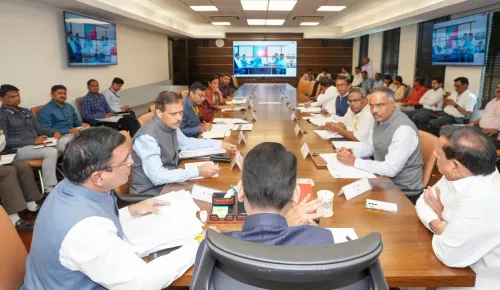
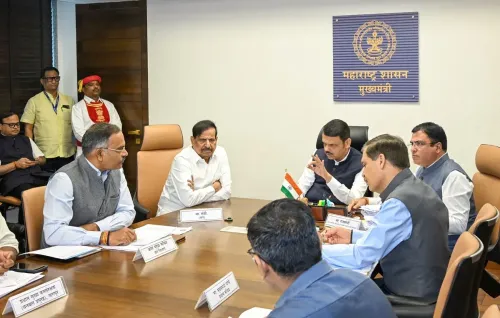
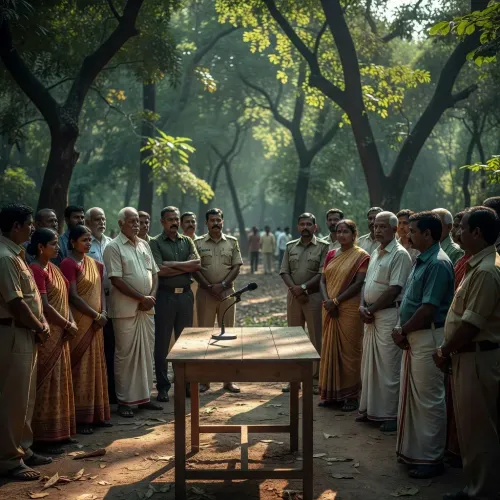
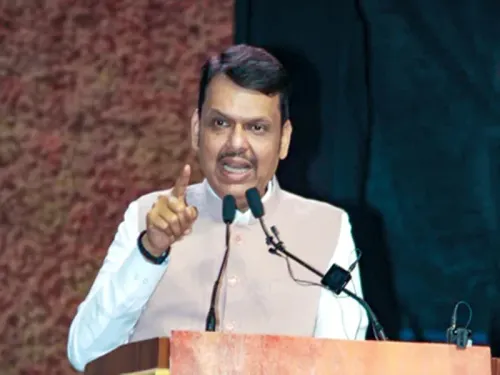
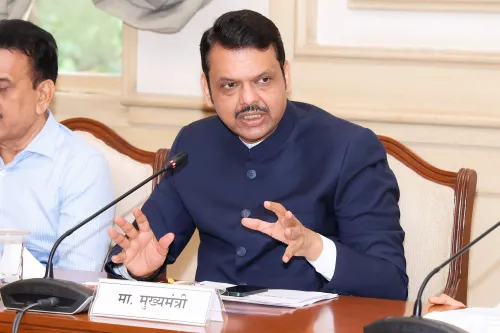
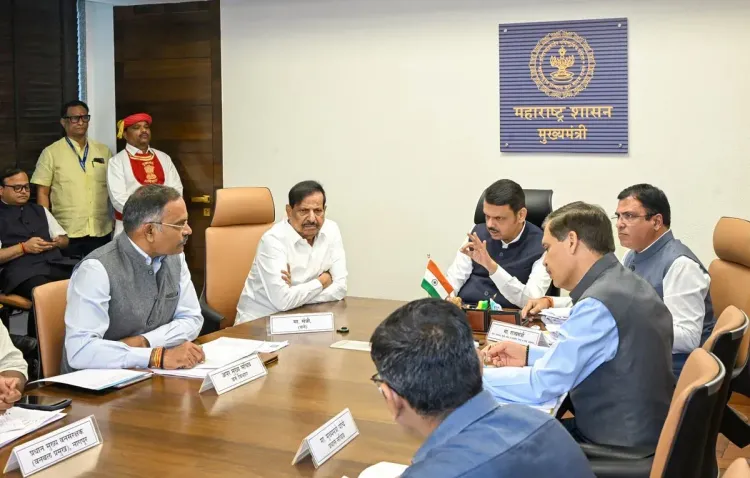
A 28-km national highway, a long-delayed government medical college, and a bamboo-to-ethanol pipeline — Maharashtra Chief Minister Devendra Fadnavis put all three on the fast track on Tuesday, 17 November 2026, chairing a high-level Forest Department review at Mantralaya, Mumbai and ordering officials to stop letting tiger-corridor rules stall projects that fall nowhere near an actual corridor.
Gadchiroli's medical college and highway get a direct push
The centrepiece of the directives was the Gadchiroli Government Medical College — an ongoing project to bring tertiary healthcare to one of Maharashtra's most underserved, tribal-dominated districts in the state's far east. Fadnavis instructed officials to expedite land clearance and project execution without further delay. On connectivity, he ordered that stretches of the 28-km national highway that lie outside the tiger corridor proceed to construction immediately — a pointed signal that wildlife protection rules cannot be used as a blanket brake on infrastructure in the region.
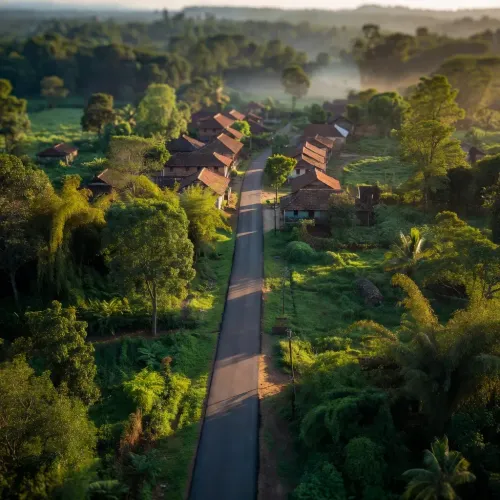
Gadchiroli carries a dual burden: it is both a Naxal-affected security zone and one of Maharashtra's richest forest districts, which has historically made every development clearance a prolonged battle between infrastructure ministries and conservation norms. Fadnavis's framing — accelerate what is already outside protected zones — is an attempt to slice through that deadlock without formally challenging the corridor boundaries themselves.
Bamboo cultivation and ethanol: a livelihood play for forest farmers
Beyond roads and hospitals, the meeting produced a notable economic directive: the Forest Development Corporation of Maharashtra Limited (FDCM) and the Maharashtra Industrial Development Corporation (MIDC) were told to coordinate on bamboo cultivation and downstream ethanol production. MIDC was specifically directed to lease land for bamboo farming, pay annual rents to farmers, and facilitate ethanol project investments — linking tribal agricultural income directly to India's biofuel ambitions.
Bamboo, classified as a grass rather than timber under Indian law since 2017, can be cultivated on degraded forest-fringe land without triggering forest diversion rules — making it a legally cleaner pathway to rural income than conventional plantation crops. Channelling that biomass into ethanol production adds an industrial offtake guarantee that standalone farming rarely delivers.
Forest Rights Committees and tendu leaf auctions get a governance overhaul
Fadnavis also directed that the tenure of Forest Rights Committees — constituted under the Scheduled Tribes and Other Traditional Forest Dwellers (Recognition of Forest Rights) Act, 2006 — be aligned with the Gram Panchayat electoral cycle. The move is designed to end the administrative limbo that occurs when FRC terms expire out of sync with the Gram Sabha, leaving forest-rights claims in a processing vacuum.
On minor forest produce, the CM called for a transparent, scientific, and well-defined Standard Operating Procedure (SOP) for the auction of tendu leaves and other produce — a category that sustains the livelihoods of hundreds of thousands of forest dwellers across Maharashtra. Forest Minister Ganesh Naik and Minister of State Advocate Ashish Jaiswal were present at the meeting alongside senior department officials.
The directives set up a clear accountability trail: medical college clearance timelines, highway construction on the unaffected stretches, MIDC land-lease notifications, and the new tendu-auction SOP are now all logged as specific deliverables. Whether the bureaucratic machinery moves at CM speed will be the real test in the months ahead.
Point of View
More contentious clearance requests. The bamboo-ethanol link between FDCM and MIDC is the more structurally interesting play: if it delivers guaranteed offtake and land-lease income, it could become a replicable model for forest-fringe districts across India. Aligning Forest Rights Committee tenures with Gram Panchayat cycles is a low-profile but meaningful governance fix that the 2006 Act's architects always intended but few states have acted on. Taken together, the directives signal a shift from reactive clearance politics to proactive institutional design — but delivery will depend entirely on bureaucratic follow-through in a district where project timelines have historically stretched far beyond announcements.
NationPress
17 Nov 2026
Frequently Asked Questions
What decisions were taken at the Maharashtra Forest Department meeting on 17 November 2026?
CM Devendra Fadnavis directed officials to expedite the Gadchiroli Government Medical College, resume work on 28-km national highway stretches outside the tiger corridor, link FDCM and MIDC for bamboo-ethanol production, align Forest Rights Committee tenures with Gram Panchayat cycles, and frame an SOP for tendu leaf auctions.
What is the Gadchiroli Government Medical College project?
It is an ongoing Maharashtra government initiative to establish a government medical college in Gadchiroli , a tribal-dominated district in eastern Maharashtra that currently lacks adequate tertiary healthcare infrastructure.
How does the bamboo-ethanol scheme benefit tribal farmers in Maharashtra?
Under the scheme directed by CM Fadnavis, MIDC will lease land for bamboo cultivation and pay annual rents to farmers, while FDCM will coordinate ethanol production — giving farmers a stable income and an industrial offtake market for their crop.
Why are Forest Rights Committees being aligned with Gram Panchayat tenure in Maharashtra?
When Forest Rights Committee terms expire out of sync with the Gram Sabha cycle, forest-rights claims enter a processing vacuum. Aligning the two tenures ensures continuous, accountable functioning as envisaged under the Forest Rights Act, 2006 .
What is the tiger corridor issue affecting Gadchiroli's national highway?
Part of the proposed national highway in Gadchiroli passes through or near a designated tiger corridor, which triggers additional wildlife clearances. CM Fadnavis directed that stretches of the 28-km highway that fall outside the actual corridor be constructed without waiting for the clearances applicable to the affected portions.