CM Saini hails ₹1,123 cr Delhi-Agra highway upgrade
Synopsis
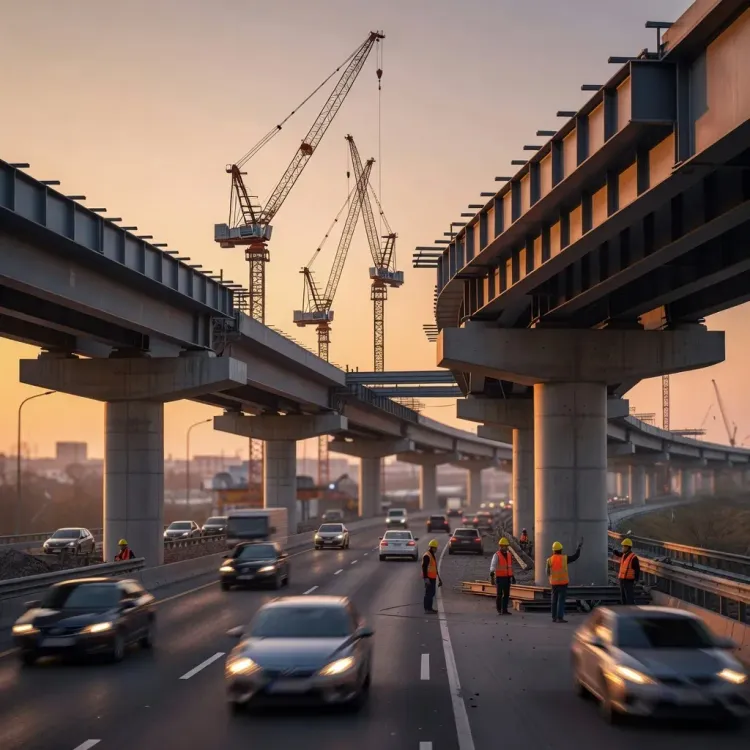
Haryana CM Nayab Singh Saini welcomed a ₹1,123.56 crore Central project to build 3 rail-over-bridges, 4 flyovers, and 4 vehicle underpasses on the Delhi-Agra corridor (NH-44/NH-19), benefiting Faridabad, Palwal, Mathura, and Agra by easing rail-crossing bottlenecks and boosting inter-state trade.
Key Takeaways
₹1,123.56 crore project sanctioned for the Delhi-Agra corridor on NH-44 and NH-19 .
11 grade-separated structures planned: 3 ROBs, 4 flyovers, and 4 vehicle underpasses .
Cities covered: Faridabad and Palwal in Haryana; Mathura and Agra in Uttar Pradesh.
Project aims to eliminate delays at railway crossings and busy intersections, improving road safety.
Fits within the PM Gati Shakti National Master Plan (2021) framework for integrated infrastructure planning.
CM Saini credited Union Minister Nitin Gadkari and PM Modi 's guidance for the announcement.
Three rail-over-bridges, four flyovers, and four vehicle underpasses — all in one shot. Haryana Chief Minister Nayab Singh Saini on Tuesday, 17 November 2026 welcomed a road infrastructure project worth ₹1,123.56 crore that promises to unsnarl one of India's most congested inter-state corridors: the Delhi-Agra route spanning NH-44 and NH-19.
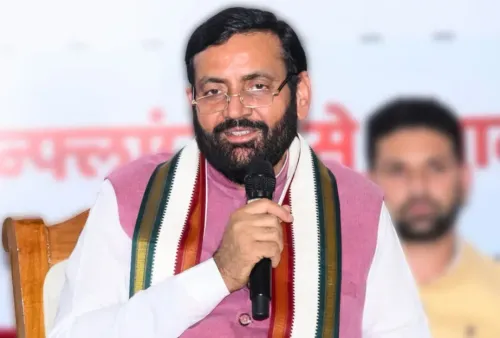
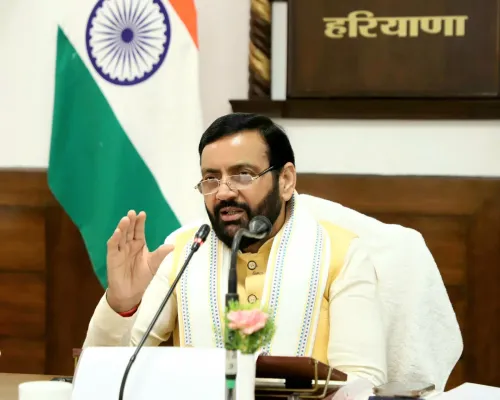
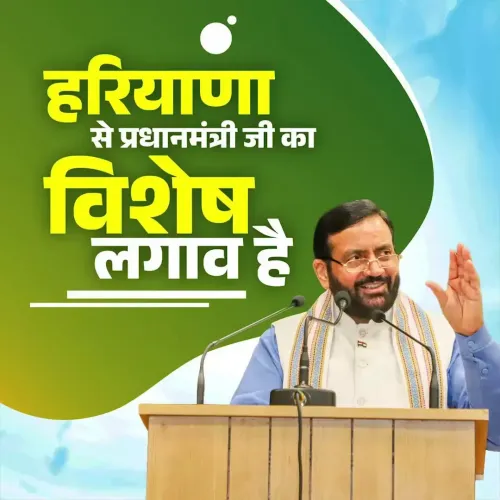
Posting on X, CM Saini credited Union Road Transport and Highways Minister Nitin Gadkari and the guidance of Prime Minister Narendra Modi for the sanction. 'फरीदाबाद, पलवल, मथुरा और आगरा के लोगों के लिए बड़ी राहत' — 'great relief for the people of Faridabad, Palwal, Mathura and Agra' — is how the Chief Minister framed the impact, flagging freedom from railway-crossing bottlenecks and congested intersections as the headline benefit.
What gets built — and where the jams are today
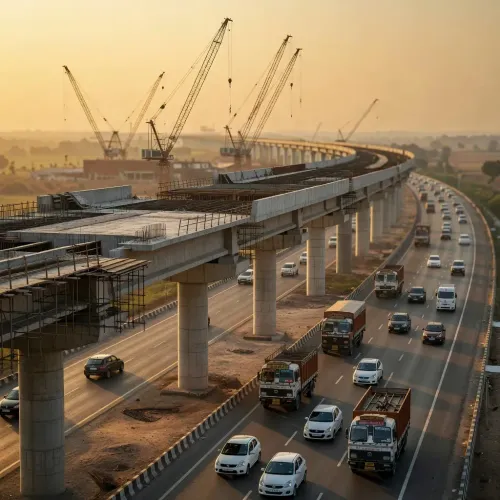
The eleven structures — 3 ROBs (rail-over-bridges), 4 flyovers, and 4 vehicle underpasses — will be distributed across four cities straddling the Haryana-Uttar Pradesh border: Faridabad and Palwal in Haryana, and Mathura and Agra in UP. The corridor these cities sit on is among the busiest in the National Capital Region's hinterland — daily freight, intercity buses, and private vehicles competing for the same stretches where unmanned or semi-managed railway crossings regularly choke traffic for minutes at a stretch.
Grade-separated crossings — flyovers that lift traffic over rail lines rather than halting it — are the most direct fix planners have for these pinch-points. The Central government has pursued exactly this strategy on high-traffic national highways under successive programmes, recognising that a single ROB at a busy crossing can recover thousands of vehicle-hours a week.
Gati Shakti and the broader corridor push
The project carries the hashtags #GatiShakti and #PragatiKaHighway, situating it within the PM Gati Shakti National Master Plan — the 2021 framework for integrated road, rail, and logistics planning that seeks to end the siloed project approvals that historically left bridges built to specs incompatible with adjacent rail upgrades. The Bharatmala Pariyojana, launched in 2015, laid the earlier financial and engineering groundwork for elevated structures at busy crossings on corridors exactly like Delhi-Agra.
The Delhi-Agra stretch has already seen multiple widening phases over the past decade. This latest tranche of grade-separators represents the next logical step: the highway itself may be wide enough, but every unseparated crossing is a de-facto bottleneck that erases the time saved on the open road. Eleven structures across four cities is a meaningful attempt to close that gap.
What it means for Haryana-UP trade
CM Saini explicitly flagged inter-state trade between Haryana and Uttar Pradesh as a beneficiary — not just commuters. The industrial belts around Faridabad and the agri-markets near Mathura and Agra are linked by this corridor, and freight delays at rail crossings translate directly into logistics costs. Smoother movement of long-haul vehicles — the post's phrase is 'लंबी दूरी के वाहनों की आवाजाही सुगम', 'smoother movement of long-distance vehicles' — would shave margins off supply-chain costs for traders on both sides of the state line.
Road-safety gains are the other dividend. Level crossings and unmanaged intersections are disproportionately represented in highway fatality statistics; grade separation removes the collision scenario entirely. With a construction timeline still to be announced, the watch item now is when tenders are floated — and whether the eleven structures are packaged as a single contract or split across the two states.
Point of View
Days before the news cycle moves on. That optics layer should not, however, obscure the structural significance: grade-separated crossings on the Delhi-Agra corridor address a real, decades-old bottleneck. The framing under PM Gati Shakti is strategically deliberate — it ties the project to a larger 'integrated planning' narrative the Centre has been building since 2021, making each individual structure part of a bigger branding story. The watch question is execution speed; India's highway programme has an uneven record of announcing grade-separators and completing them on schedule, and the absence of a stated timeline in the announcement is a gap worth monitoring.
NationPress
17 Nov 2026
Frequently Asked Questions
What is the ₹1,123.56 crore highway project announced for Haryana and UP?
It is a Central government project to construct 3 rail-over-bridges, 4 flyovers, and 4 vehicle underpasses on the Delhi-Agra corridor along NH-44 and NH-19, covering Faridabad and Palwal in Haryana and Mathura and Agra in Uttar Pradesh.
Which cities will benefit from the NH-44 NH-19 flyover and ROB project?
Faridabad and Palwal in Haryana, and Mathura and Agra in Uttar Pradesh are the four cities where the eleven structures will be built.
What is a rail-over-bridge (ROB) and why is it important on this corridor?
A rail-over-bridge carries road traffic over a railway line, eliminating the need to stop at a level crossing. On busy corridors like Delhi-Agra, ROBs prevent the traffic jams that occur every time a train passes, improving both travel time and road safety.
How does PM Gati Shakti relate to this Haryana-UP road project?
PM Gati Shakti, launched in 2021, is a national master plan for integrating road, rail, and logistics infrastructure. This project falls under its framework, which aims to coordinate state and central agencies to avoid planning gaps in highway construction.
Who approved the Delhi-Agra highway upgrade project in 2026?
Union Minister for Road Transport and Highways Nitin Gadkari approved the project, with Haryana CM Nayab Singh Saini also crediting Prime Minister Narendra Modi's overall guidance for the initiative.