CM Dhami champions folk culture festivals as bridge for Uttarakhand youth
Synopsis
Uttarakhand CM Pushkar Singh Dhami invoked a cultural festival to argue that such events give the state's folk arts national recognition and reconnect youth to their roots, while crediting PM Modi's guidance and the 'double engine' model for broader state development.
Key Takeaways
CM Pushkar Singh Dhami posted on November 17, 2026 praising the role of cultural festivals in preserving Uttarakhand's folk culture and traditions.
He emphasised that such festivals connect the youth of Uttarakhand to their roots, motherland, and cultural values.
Dhami credited PM Narendra Modi's guidance and the 'double engine' government model for the state's development momentum.
Uttarakhand , formed in 2000 , has a rich but fragile ecosystem of folk traditions including Kumaoni and Garhwali music facing urban migration pressures.
The post follows a recurring BJP pattern of framing cultural heritage and governance outcomes as mutually reinforcing in Himalayan states.
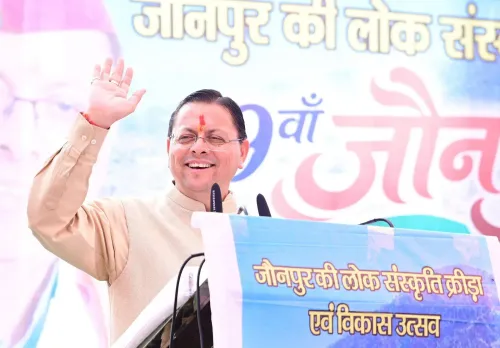
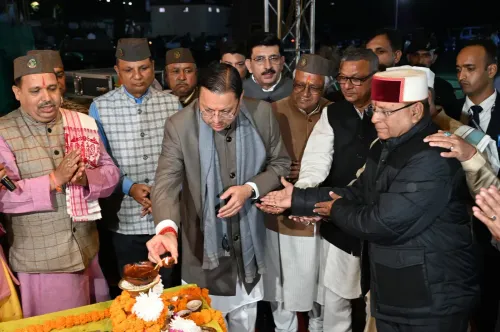
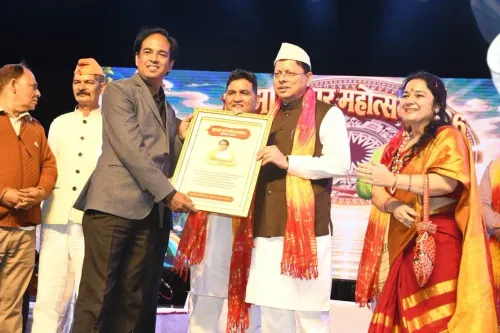
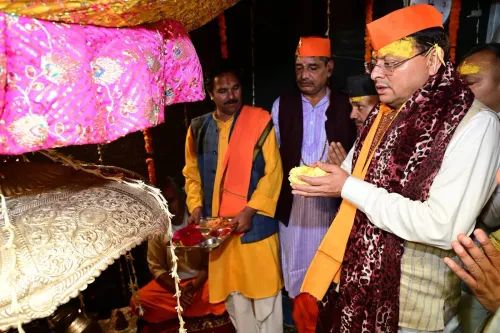
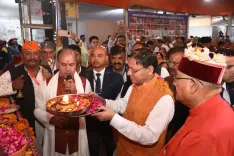
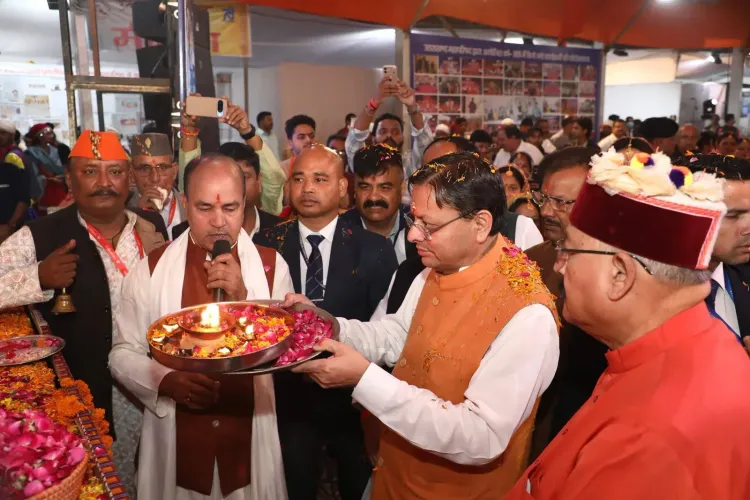
A cultural festival in Uttarakhand has drawn a pointed reflection from Chief Minister Pushkar Singh Dhami, who on Tuesday, November 17, 2026, argued that such celebrations do far more than entertain — they anchor a younger generation to its roots, its homeland, and the values that define it.
What Dhami said — and why folk culture is at the centre of it
Posting in Hindi, CM Dhami wrote that festivals of this kind give 'haari samridh lok sanskriti, paramparaon, lok kalaon aur virasat' — Uttarakhand's rich folk culture, traditions, folk arts, and heritage — a distinct identity across the country. More pointedly, he stressed their role in connecting 'yuva peedhi ko apni jadon, apni matrubhoomi aur sanskritik mulyon se' — the youth to their roots, their motherland, and cultural values. In a media landscape crowded with identity debates, the framing is deliberate: tradition as a living inheritance, not a museum exhibit.
The 'double engine' argument tied to cultural revival
Dhami did not stop at heritage. He linked the state's cultural momentum to what he described as Prime Minister Narendra Modi's guidance and the resolve of the 'double engine' government — the BJP's term for aligned central and state administrations pulling development in the same direction. The message: Uttarakhand, the Himalayan state carved out in 2000, is 'setting new standards of development' because both engines are firing together. It is a framing the party has deployed consistently since 2014, threading governance outcomes through cultural credibility.
Folk artists and Uttarakhand's youth: who the message is aimed at
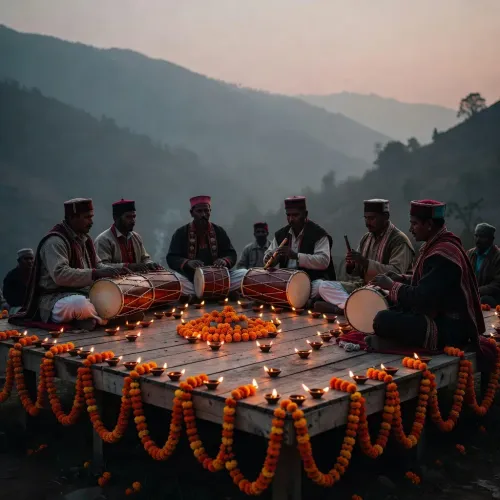
The Himalayan state has a distinct ecosystem of folk traditions — from the Jagar oral narrative tradition to Kumaoni and Garhwali music — that have faced erosion as younger residents migrate to cities. By positioning cultural festivals as tools of identity formation rather than nostalgia, Dhami is addressing a real demographic anxiety: a state whose youth pipeline is visibly thinning. Folk artists, meanwhile, gain state-level visibility and, implicitly, the promise of institutional support.
Point of View
Reinforcing narrative. By tying folk festivals to the 'double engine' framework, the CM signals that governance legitimacy in Uttarakhand now flows partly through cultural stewardship — a move that addresses both the party's Hindu-nationalist base and the very real anxieties of a state losing its youth to migration. The framing also pre-positions cultural events as proof-of-delivery, not just ceremony, ahead of any upcoming state electoral cycle. Whether the investment in folk culture translates into measurable support or institutional funding remains the key test of sincerity behind the symbolism.
NationPress
17 Nov 2026
Frequently Asked Questions
What did CM Pushkar Singh Dhami say about cultural festivals in Uttarakhand?
CM Dhami said that cultural festivals give Uttarakhand's rich folk culture, traditions, folk arts, and heritage a distinct national identity, and importantly connect the younger generation to their roots, motherland, and cultural values.
What is the 'double engine government' Dhami referred to?
The 'double engine government' is the BJP's term for having the same party in power at both the central and state levels, allowing coordinated policy and development efforts. Dhami credited this model, guided by PM Modi, for Uttarakhand setting new development standards.
Why is folk culture preservation important for Uttarakhand?
Uttarakhand has a distinctive ecosystem of folk traditions — including Kumaoni and Garhwali music and the Jagar oral tradition — that face erosion as younger residents migrate to cities, making cultural festivals a key vehicle for sustaining and transmitting these traditions.
When did Pushkar Singh Dhami post this on X?
CM Dhami posted this message on Tuesday, November 17, 2026, at 9:09 PM IST.
How does Uttarakhand's BJP government use cultural events for youth engagement?
The Uttarakhand government, under CM Dhami, positions cultural festivals as tools for identity formation — connecting youth to folk arts, traditional values, and their homeland — rather than treating them purely as ceremonial occasions.