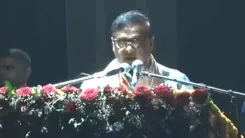
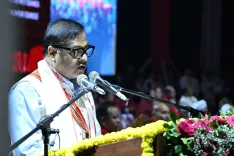
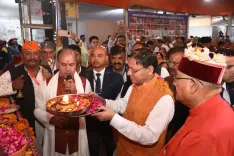
CM Nayab Saini Launches Cow-Based Natural Farming Drive on Gaupashtami
Synopsis
Haryana Chief Minister Nayab Singh Saini launched a cow-based natural farming campaign on Gaupashtami (November 17, 2026), tying a traditional Hindu festival of cow worship to a state push for chemical-free agriculture, following similar BJP-led initiatives in Gujarat and Madhya Pradesh.
Key Takeaways
Nayab Singh Saini launched a cow-based natural farming campaign on Gaupashtami, November 17, 2026 .
Gaupashtami falls on the eighth day of Kartik's bright fortnight and is dedicated to cow worship and protection.
The campaign aligns with central government support for zero-budget natural farming highlighted in Union Budgets from 2019 onward .
BJP-governed states including Gujarat and Madhya Pradesh have run comparable cow-based farming programmes.
Saini has led Haryana since 2024 , continuing a pro-livestock and pro-agriculture policy line established since 2014.
Key details — farmer training, gaushala integration, and budget allocation — are yet to be announced and will determine real-world impact.
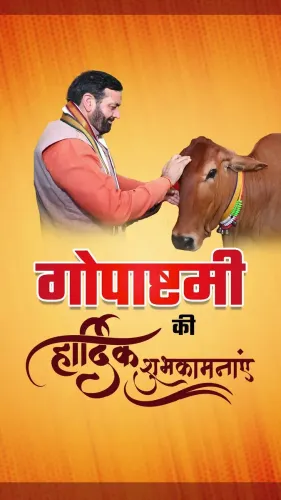
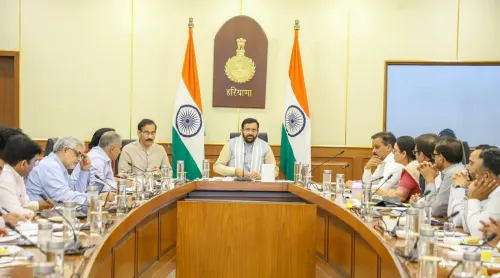
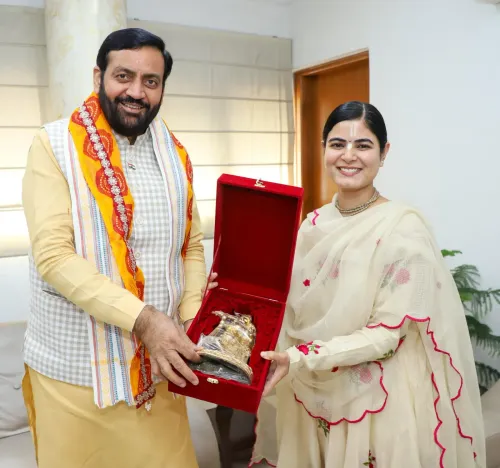
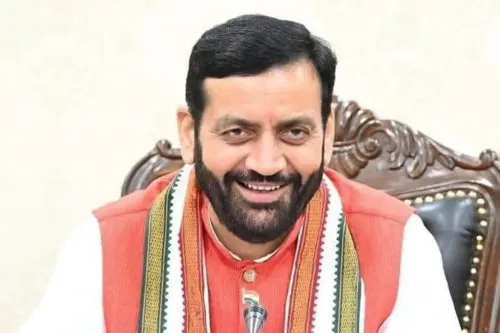
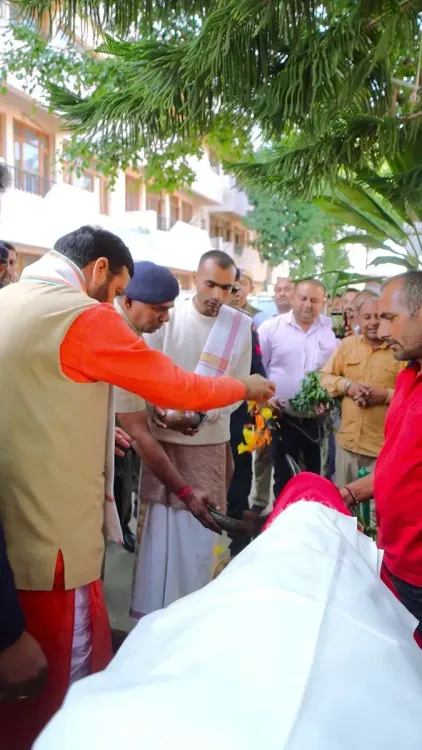
On the auspicious occasion of Gaupashtami, Haryana Chief Minister Nayab Singh Saini launched a state-wide campaign for cow-based natural farming on Tuesday, November 17, 2026 — weaving together a centuries-old festival of cow worship with a push to wean Haryana's fields off chemical inputs.
Gaupashtami's deeper agricultural resonance
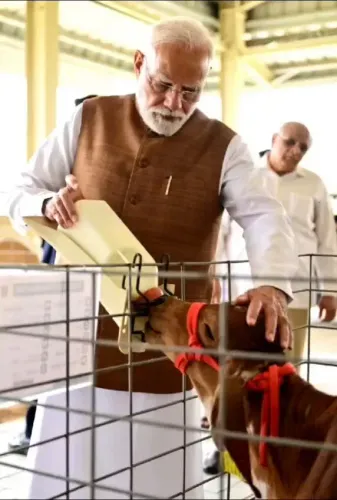
Gaupashtami falls on the eighth day of the bright fortnight of Kartik and has traditionally honoured the cow as a sacred and life-sustaining presence in rural India. For the Saini administration, the timing is deliberate — anchoring a modern agricultural policy announcement to a moment when the symbolism of gau seva (cow service) is already alive in communities across Haryana. The message: the cow's contribution to the farm is not just cultural but deeply practical.
Cow-based farming: what the campaign signals
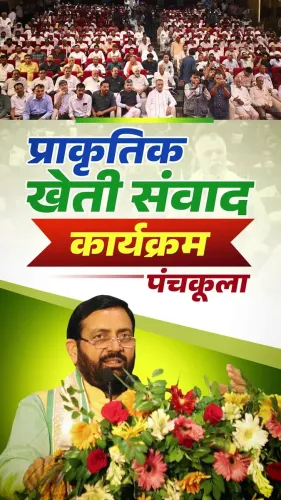
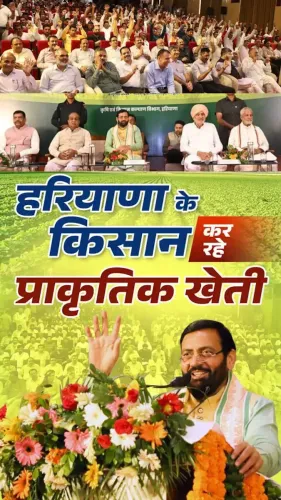
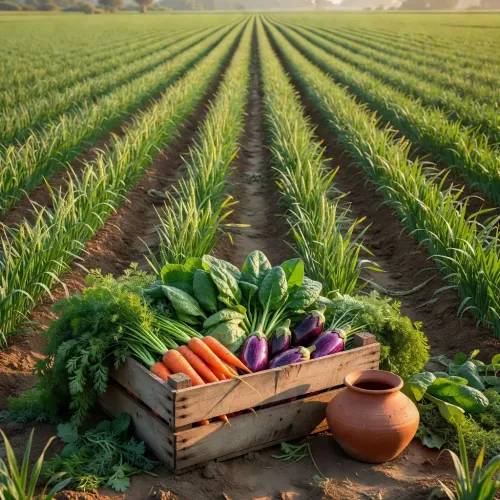
The initiative falls within a broader national push toward zero-budget and natural farming models that successive Union Budgets from 2019 onward have championed. At its core, cow-based natural farming replaces synthetic fertilisers and pesticides with preparations derived from cow dung and cow urine — inputs that gaushalas and small farmers already have on hand. BJP-ruled states including Gujarat and Madhya Pradesh have run similar programmes, and Haryana's launch now puts the state in that company.
The Haryana government has steadily promoted livestock and agricultural schemes since 2014, and CM Saini — who took office in 2024 succeeding Manohar Lal Khattar — has continued that trajectory. A campaign launched on Gaupashtami carries both a policy signal and a cultural one: that sustainable agriculture and traditional practice can share the same furrow.
What farmers and policymakers will watch next
The critical test now is implementation. Details on farmer training programmes, the role of Haryana's gaushala network as a supply hub for organic inputs, and any dedicated budget allocation in upcoming assembly sessions will determine whether this campaign translates from announcement to acre. With Haryana's agricultural economy central to the state's identity — and chemical-input costs squeezing margins — a credible natural farming alternative could find genuine traction among small and marginal farmers if supported with the right extension infrastructure.
A festival that asks communities to honour the cow has, this year, also been asked to seed a quieter agricultural revolution.
Point of View
Making it harder to critique without appearing to oppose tradition. The move also inserts Haryana into a growing BJP-state template — Gujarat, Madhya Pradesh and now Haryana — signalling a coordinated national narrative around cow-based farming as an alternative to input-intensive agriculture. Whether the campaign acquires genuine policy muscle or remains a ceremonial declaration will hinge on whether Haryana's budget and extension machinery follow through. The broader arc here is a party trying to make 'natural farming' synonymous with its cultural identity before the next electoral cycle.
NationPress
17 Nov 2026
Frequently Asked Questions
What is the cow-based natural farming campaign launched by Haryana CM Nayab Singh Saini?
CM Nayab Singh Saini launched a state-wide campaign on Gaupashtami (November 17, 2026) to promote farming practices that use cow dung and cow urine as natural inputs, replacing synthetic fertilisers and pesticides.
What is Gaupashtami and why is it significant?
Gaupashtami is a Hindu festival observed on the eighth day of the bright fortnight of Kartik, dedicated to cow worship and protection. It is a culturally significant day across many Indian states, especially in rural communities.
How does Haryana's natural farming push fit into central government policy?
The Union government has emphasised zero-budget and cow-based natural farming in successive budgets from 2019 onward, and Haryana's campaign aligns with this national direction.
Which other states have launched similar cow-based farming initiatives?
BJP-governed states including Gujarat and Madhya Pradesh have previously launched programmes linking cow protection with chemical-free agriculture, and Haryana's campaign follows that model.
What will determine the success of Haryana's cow-based farming campaign?
Implementation details — including farmer training programmes, integration of gaushalas as organic-input supply hubs, and budget allocation in upcoming Haryana assembly sessions — will be the real test of the campaign's impact.