CM Fadnavis Pushes Maharashtra Water Drive, Eyes 34 Lakh Recharge Structures
Synopsis
Maharashtra CM Devendra Fadnavis, at an online review chaired by Union Minister C. R. Patil, directed all departments to build over 34 lakh groundwater recharge structures by May 2027, roll out Jalyukt Shivar 3.0 across 18,000 villages, and hit a 50% Jal Jeevan Mission target by December — as El Niño pushes nearly 90% of the state into drought.
Key Takeaways
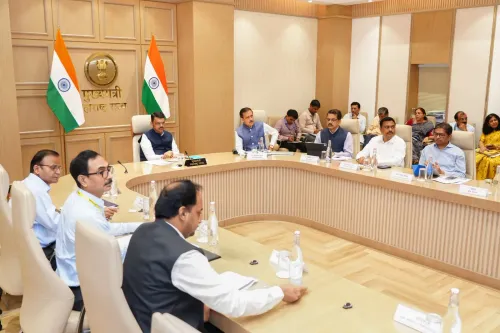
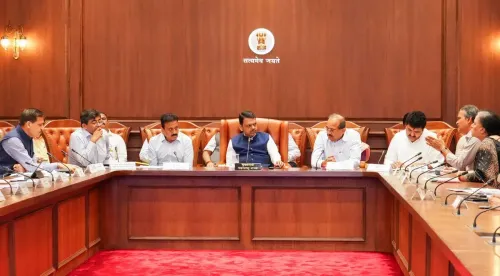
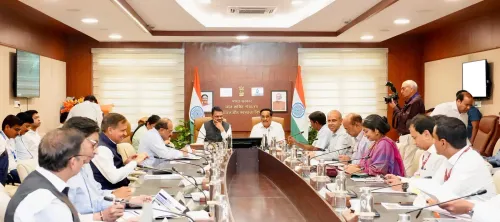
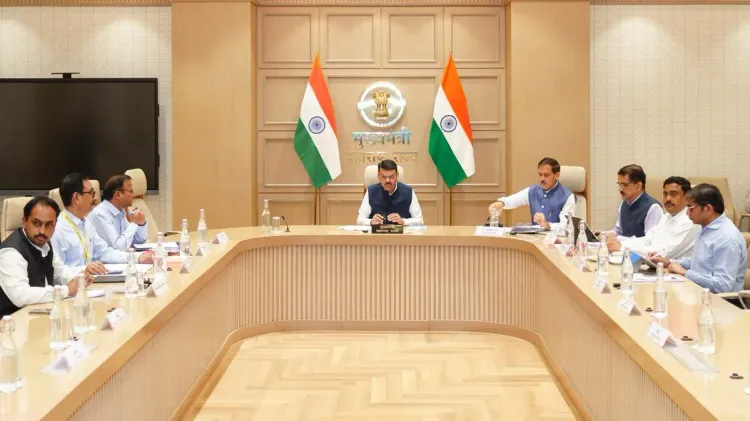
CM Fadnavis attended a review meeting in Mumbai on November 19, 2026 on the 'Jal Sanchay Jan Bhagidari: Catch the Rain 2026' initiative, chaired online by Union Minister C.
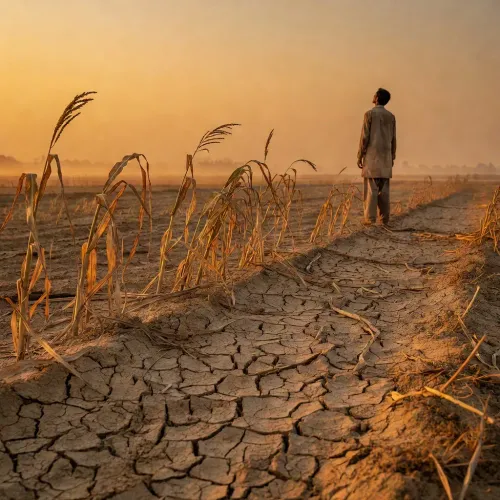
Nearly 90% of Maharashtra is facing drought conditions attributed to El Niño, driving the urgency of water conservation directives.
Maharashtra targets the creation of 34,83,940 groundwater recharge structures by May 2027 under the central Jal Sanchay: Jan Bhagidari initiative.
Jalyukt Shivar 3.0 is to be implemented across 18,000 villages , with funds from PMKSY, VB-G RAM G, and other schemes converged for unified execution.
Key field measures include check dams, ponds, rooftop rainwater harvesting , and rejuvenation of rivers of 50 km or more that flow only during monsoon.
Officials were directed to accelerate fund utilisation under Jal Jeevan Mission and achieve the 50% target by December .
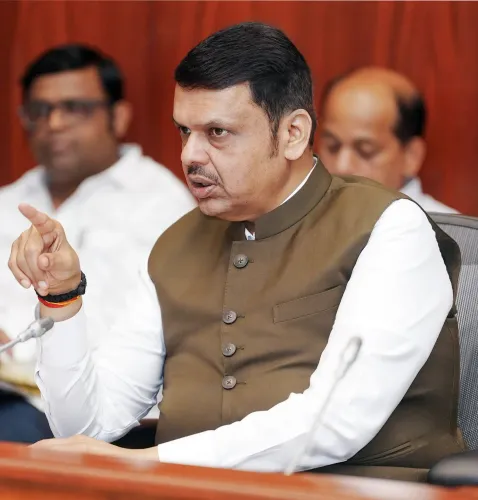
With nearly 90% of Maharashtra parched under El Niño-driven drought conditions, Maharashtra Chief Minister Devendra Fadnavis sat down in Mumbai on Thursday, November 19 for a high-stakes review of the state's water conservation push — and walked out with a clear mandate: every drop counts, and no department gets to look away.
A 34-Lakh-Structure Bet on Groundwater
At the heart of the meeting, chaired online by Union Minister C. R. Patil, is an ambition that is hard to miss in its scale. Under the Union Government's 'Jal Sanchay: Jan Bhagidari' initiative, Maharashtra has set itself a target of creating 34,83,940 groundwater recharge structures by May 2027. That is not an aspiration — Fadnavis framed it as a directive. Every department involved in land, water, and rural infrastructure has been told to treat groundwater recharge as a first-order priority, not a line item.
The vehicle for delivery on the ground is Jalyukt Shivar 3.0, the latest iteration of a programme first launched by the Maharashtra government in 2015 to build water conservation assets in drought-prone villages. This version targets 18,000 villages, with funding to be pooled from multiple central and state streams — PMKSY (Pradhan Mantri Krishi Sinchayee Yojana), VB-G RAM G, and other convergent schemes — so that parallel budgets don't create parallel, disconnected works on the ground.
Check Dams, Rooftops, and Rivers: The Three-Pronged Field Plan
Fadnavis spelled out the operational priorities with unusual specificity. First: check dams and ponds, the classic rural water-retention infrastructure. Second: rooftop rainwater harvesting mandated across both private and government buildings — a signal that urban Maharashtra cannot opt out of the conservation arithmetic. Third — and perhaps the most ambitious in engineering terms — the rejuvenation of rivers spanning 50 kilometres or more that currently flow only during the monsoon season, with time-bound milestones attached.
Coordination sits at the district level. District Collectors have been given the convening role, bringing all concerned departments under a single implementation roof — a structural fix aimed at the chronic problem of scheme convergence failing in the last mile.
Jal Jeevan Mission's December Deadline
The meeting also put a spotlight on the Jal Jeevan Mission, the central scheme launched in 2019 to deliver functional household tap connections to rural India. Fadnavis instructed officials to accelerate fund utilisation and ensure the 50% target is achieved by December — a hard, near-term marker that will test whether the administrative machinery can match the political urgency on display. Union Minister of State Dr. Raj Bhushan Choudhary joined the review online alongside other concerned officials.
Maharashtra's water stress is not new — successive state governments have cycled through drought-response programmes for decades. What shifts the register here is the convergence of El Niño pressure, a central push through the 'Catch the Rain 2026' campaign, and a state-level target architecture that sets a specific structural count and a named deadline. The December checkpoint for Jal Jeevan Mission and the May 2027 finish line for recharge structures will be the first real tests of whether this review room resolve translates to villages that are actually water-secure.
Point of View
Jal Jeevan Mission — over state infrastructure programmes like Jalyukt Shivar to maximise reach without proportionally expanding the state budget. The El Niño context gives the administration political cover to accelerate targets that have long existed on paper; the real test will be whether the December and May 2027 deadlines produce auditable structural counts at the village level. Historically, Maharashtra's water conservation campaigns have delivered impressive asset-creation numbers while groundwater tables in Vidarbha and Marathwada remain stressed, suggesting the quality and placement of structures matters as much as the headline figure. This review places District Collectors at the apex of coordination — a centralising instinct that could cut through departmental silos or, if accountability is weak, simply concentrate blame.
NationPress
19 Nov 2026
Frequently Asked Questions
What is the Jalyukt Shivar 3.0 scheme in Maharashtra?
Jalyukt Shivar 3.0 is the latest phase of Maharashtra's village-level water conservation programme, originally launched in 2015. CM Fadnavis has directed its implementation across 18,000 villages, pooling funds from central and state schemes including PMKSY to build water retention and groundwater recharge assets.
What is Maharashtra's groundwater recharge structure target?
Under the central 'Jal Sanchay: Jan Bhagidari' initiative, Maharashtra aims to create 34,83,940 groundwater recharge structures by May 2027, as directed by CM Fadnavis at the November 19, 2026 review meeting.
What is the Jal Jeevan Mission and what is Maharashtra's December target?
Jal Jeevan Mission is a central government scheme launched in 2019 to provide functional household tap water connections in rural areas. CM Fadnavis has instructed officials to accelerate fund utilisation to achieve a 50% completion target by December 2026.
How is El Niño affecting Maharashtra's water situation?
According to CM Fadnavis's statement at the review meeting, nearly 90% of Maharashtra is facing drought conditions due to El Niño, prompting the state government to urgently prioritise rainwater harvesting and groundwater recharge across all departments.
What is the 'Catch the Rain 2026' initiative?
'Catch the Rain 2026' — formally 'Jal Sanchay Jan Bhagidari: Catch the Rain 2026' — is a Union Government-led campaign to mobilise communities and state machinery for rainwater harvesting and groundwater recharge. Maharashtra's review on November 19 was part of its national rollout, chaired by Union Minister C. R. Patil.