CM Fadnavis receives ₹10 lakh cheque for drought-hit farmers
Synopsis
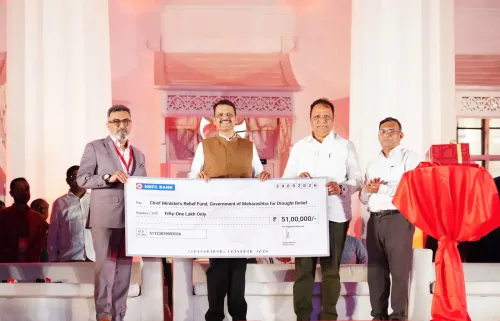
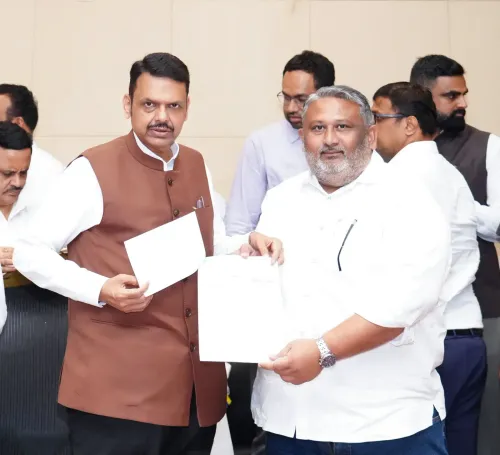
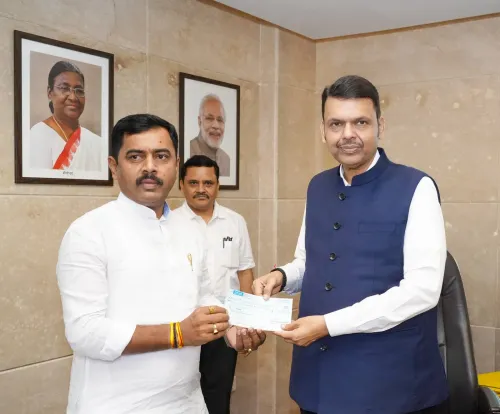
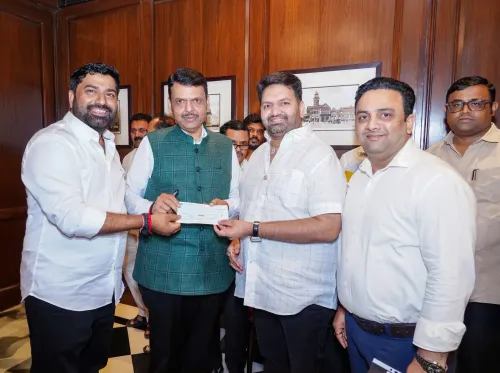
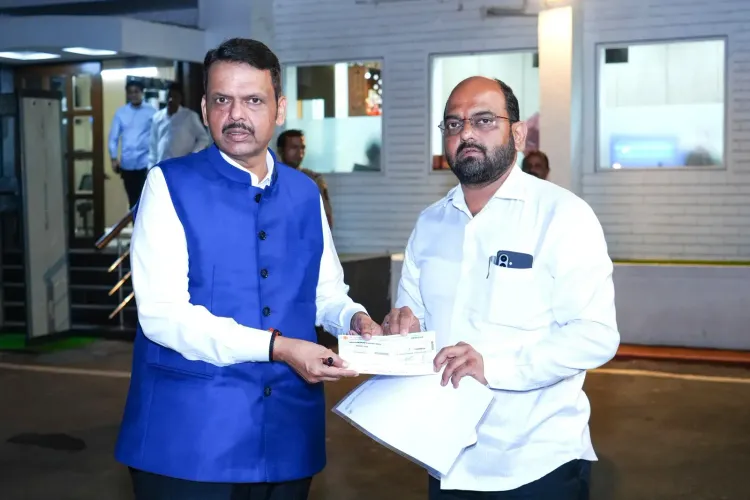
MLA Amal Mahadik presented CM Devendra Fadnavis with a ₹10 lakh cheque from Venkateshwar Power Project Limited in Mumbai, channelling the donation into the Chief Minister's Relief Fund to support drought-affected farmers across Maharashtra.
Key Takeaways
₹10,00,000 donated to the Chief Minister's Relief Fund for drought-affected farmers in Maharashtra.
Cheque presented by MLA Amal Mahadik on behalf of Venkateshwar Power Project Limited at a ceremony in Mumbai .
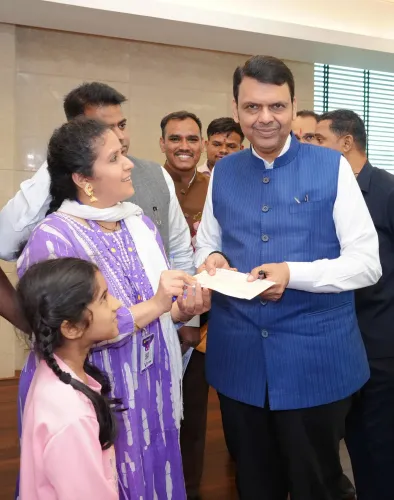
CM Devendra Fadnavis personally thanked the contributors at the handover.
The CM Relief Fund is a standing state corpus used for immediate calamity relief, supplementing budgeted government allocations.
Corporate donations to the fund are part of Maharashtra's established pattern during periods of agricultural stress.
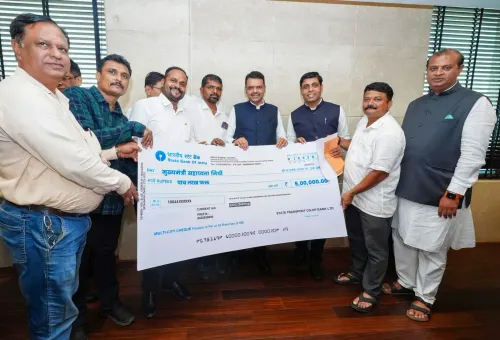
A cheque worth ₹10,00,000 reached the hands of Maharashtra Chief Minister Devendra Fadnavis in Mumbai on Wednesday, 30 September 2026 — a private power company stepping in where parched fields and struggling farmers have placed urgent demands on the state's relief machinery.
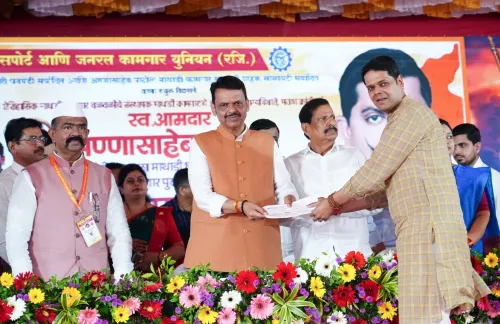
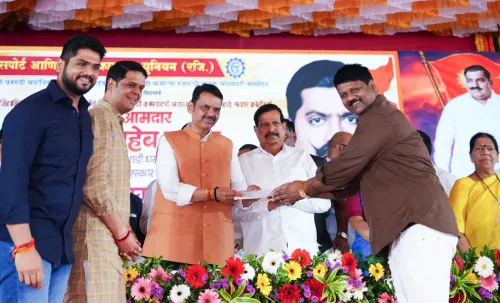
The Chief Minister's Office confirmed that MLA Amal Mahadik presented the donation cheque on behalf of Venkateshwar Power Project Limited, directing the funds into the Chief Minister's Relief Fund earmarked for drought-affected farmers. CM Fadnavis personally thanked the contributors at the ceremony.
Venkateshwar Power Project's contribution to the CM Relief Fund
The Chief Minister's Relief Fund is a standing state-managed corpus that Maharashtra governments across administrations have maintained to channel immediate assistance during natural calamities — droughts and floods alike. Corporate cheque presentations of this kind supplement the state's budgeted relief allocations, providing additional liquidity to reach distressed cultivators faster than legislative appropriations typically allow.
Venkateshwar Power Project Limited, a private player in the power sector, directed the ₹10 lakh contribution through MLA Mahadik, a legislative representative whose presence at the handover underscores the role elected members play in bridging corporate goodwill and state relief channels.
Maharashtra's recurring battle with agricultural distress
Drought stress has been a recurring pressure point for Maharashtra's farm economy, with several districts in the Marathwada and Vidarbha regions historically bearing the worst of deficient monsoon cycles. The CM Relief Fund has served as a first-response instrument, receiving contributions from public and private donors before formal government compensation packages complete their procedural journey.
Periodic corporate donations to the fund are part of an established pattern — they do not constitute new policy, but they do add immediate resources at a moment when farm households often cannot wait for bureaucratic timelines to run their course.
With the revenue department's drought assessments and fund utilisation reports still the key measures of how these contributions translate into relief on the ground, the real test is whether the money moves — fast and verifiably — to the farmers who need it most.
Point of View
Without transparent utilisation reports, such contributions risk remaining symbolic gestures rather than measurable interventions. The real policy question is whether the CM Relief Fund has robust, publicly audited disbursement mechanisms that ensure these rupees reach drought-affected farm households directly.
NationPress
1 Oct 2026
Frequently Asked Questions
Who donated to the Maharashtra CM Relief Fund for drought farmers?
Venkateshwar Power Project Limited donated ₹10,00,000 to the Maharashtra Chief Minister's Relief Fund. The cheque was presented by MLA Amal Mahadik to CM Devendra Fadnavis in Mumbai.
What is the Maharashtra Chief Minister's Relief Fund?
The Chief Minister's Relief Fund is a state-managed corpus maintained by the Maharashtra government to provide immediate financial assistance during natural calamities such as droughts and floods, including support for affected farmers.
Who is Amal Mahadik?
Amal Mahadik is a Maharashtra MLA who presented the donation cheque on behalf of Venkateshwar Power Project Limited to Chief Minister Devendra Fadnavis for drought relief.
How does the CM Relief Fund help drought-affected farmers in Maharashtra?
The fund channels donations from public and private contributors to provide immediate relief to drought-hit farmers, supplementing the state's budgeted relief allocations and enabling faster disbursement compared to formal legislative processes.
What is Venkateshwar Power Project Limited?
Venkateshwar Power Project Limited is a private power sector company that made a ₹10 lakh contribution to the Maharashtra Chief Minister's Relief Fund to support drought-affected farmers in the state.