Goyal meets Poland Finance Minister on G20 sidelines, eyes India-EU FTA gains
Synopsis
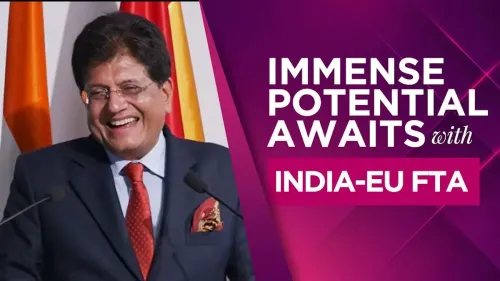
At the G20 Trade Ministers' Meeting, Commerce Minister Piyush Goyal met Polish Finance Minister Andrzej Domański to explore trade and investment avenues and discuss how the India-EU FTA can deepen bilateral economic cooperation, reinforcing India's dual-track EU engagement strategy.
Key Takeaways
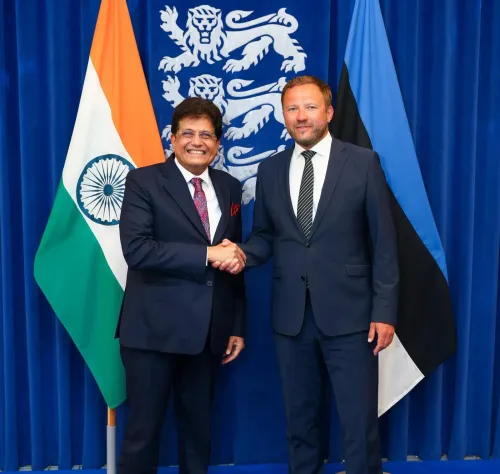
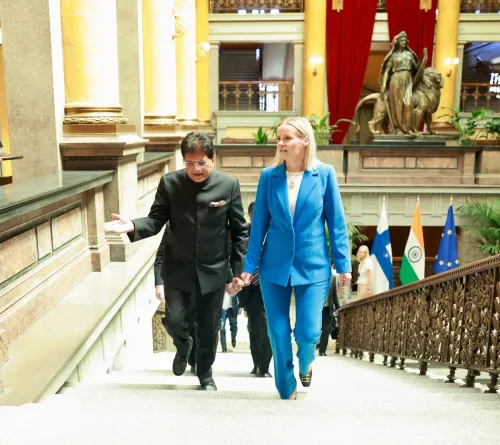
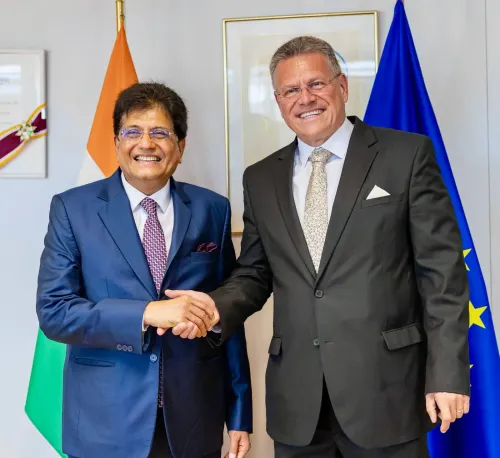
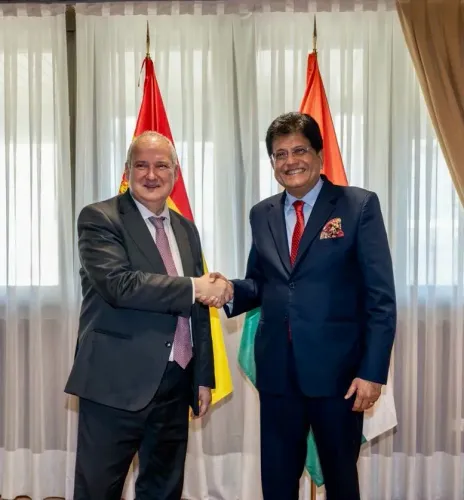
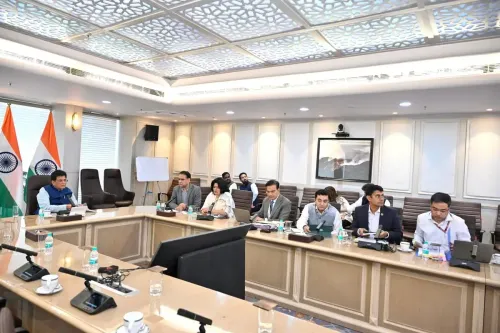
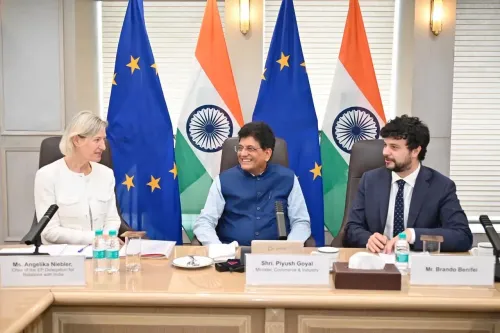
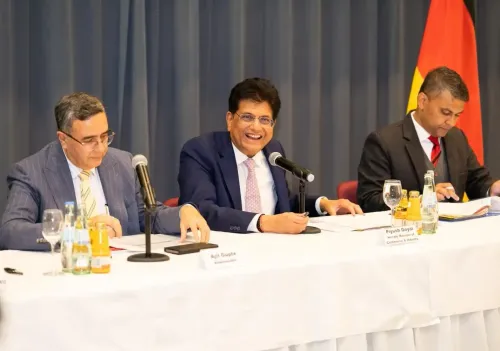
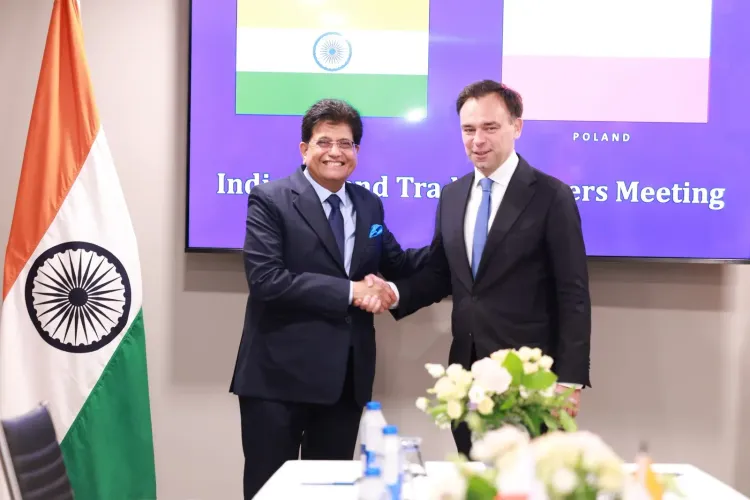
Union Commerce Minister Piyush Goyal met Polish Minister of Finance and Economy Andrzej Domański on the sidelines of the G20 Trade Ministers' Meeting .
Discussions focused on new trade and investment avenues between India and Poland .
Both sides examined how the India-EU FTA could create business opportunities and deepen India-Poland economic ties.
The India-EU Broad-Based Trade and Investment Agreement was relaunched after a long pause in June 2022 , with negotiations ongoing.
Poland is considered a key gateway for Indian access to Central and Eastern European markets within the EU.
The meeting reflects India's strategy of pursuing bilateral EU member-state engagement alongside bloc-level FTA talks.
On the margins of the G20 Trade Ministers' Meeting, Union Commerce and Industry Minister Piyush Goyal sat down with Polish Minister of Finance and Economy Andrzej Domański for a bilateral conversation that put both country-to-country trade and the long-running India-EU Free Trade Agreement squarely on the table.
Why Poland matters in India's EU playbook
This was not a courtesy call. Poland occupies a strategic position in India's broader European outreach — long regarded as a gateway into Central and Eastern European markets, it sits at the crossroads of EU supply chains that Indian exporters are increasingly eager to plug into. A bilateral conversation with Warsaw's top economic minister, therefore, carries weight well beyond the bilateral balance sheet.
Goyal described the meeting as 'productive', with discussions covering 'new avenues to further strengthen trade and investment ties' — language that signals an active agenda, not a box-ticking exercise on a busy ministerial schedule.
India-EU FTA: the bigger prize in the room
The India-EU Broad-Based Trade and Investment Agreement has had a turbulent history — stalled for nearly a decade before being relaunched in June 2022. Every bilateral conversation India holds with an EU member state now feeds into that larger negotiation, building political will and identifying sector-specific opportunities that can shape the final text.
Goyal and Domański specifically discussed 'how the India-EU FTA can create new opportunities for businesses and deepen economic cooperation between India and Poland' — a framing that positions Poland not just as a bilateral partner but as an active stakeholder in getting the wider deal across the line.
The G20 margins as a diplomatic workshop
Multilateral gatherings like G20 ministerial meetings have become indispensable to India's trade diplomacy precisely because they compress months of scheduling into a single corridor. For Indian exporters and Polish businesses alike, these sideline conversations are where the groundwork for binding agreements is quietly laid.
The meeting reinforces a pattern: India is running parallel tracks simultaneously — pushing hard on the bloc-level FTA while locking in bilateral momentum with influential EU capitals, ensuring that progress on one front accelerates the other.
With FTA negotiating rounds continuing and both sides signalling openness, the conversation between Goyal and Domański adds one more brick to a bridge that, when complete, would reshape the trade architecture between the world's fastest-growing major economy and its largest single market.
Point of View
As a significant Central-Eastern European economy and EU member, is not a peripheral partner; winning its active support could help India secure favourable terms in specific goods and services chapters. The timing, on G20 margins, underscores how India is leveraging every multilateral forum to multiply diplomatic bandwidth. If the FTA closes, agreements like this one will have been the invisible scaffolding that held the momentum together.
NationPress
1 Oct 2026
Frequently Asked Questions
What did Piyush Goyal discuss with the Polish Finance Minister?
Piyush Goyal discussed new avenues to strengthen trade and investment ties between India and Poland, and how the India-EU Free Trade Agreement could create business opportunities and deepen bilateral economic cooperation.
What is the India-EU FTA and where do negotiations stand?
The India-EU Broad-Based Trade and Investment Agreement is a comprehensive free trade deal being negotiated between India and the European Union. After a long pause, negotiations were relaunched in June 2022 and are ongoing.
Why is Poland important for India's trade strategy in Europe?
Poland is regarded as a strategic gateway to Central and Eastern European markets, making it a key bilateral partner as India seeks to expand its footprint across the EU's eastern flank.
Where did the Goyal-Domański meeting take place?
The meeting took place on the sidelines of the G20 Trade Ministers' Meeting, which brought together senior trade and economic officials from the world's major economies.
How does bilateral engagement with EU states help the India-EU FTA?
Bilateral meetings with individual EU member states build political support and help identify sector-specific opportunities, which can shape and accelerate the broader India-EU FTA negotiating process.