CM Fadnavis receives ₹50 lakh cheque for drought-hit Maharashtra farmers
Synopsis
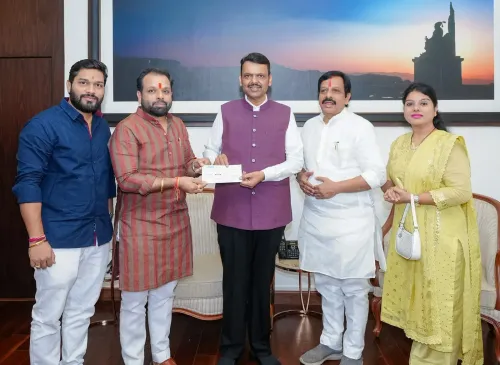
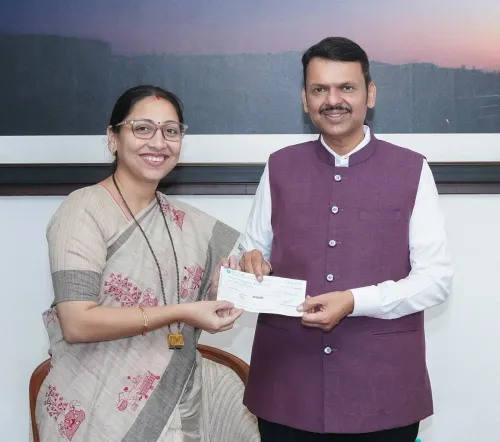
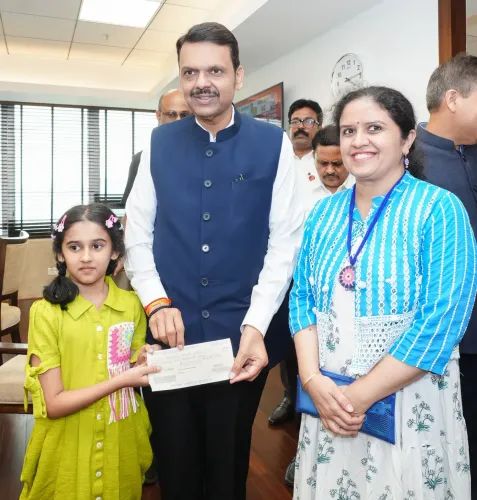
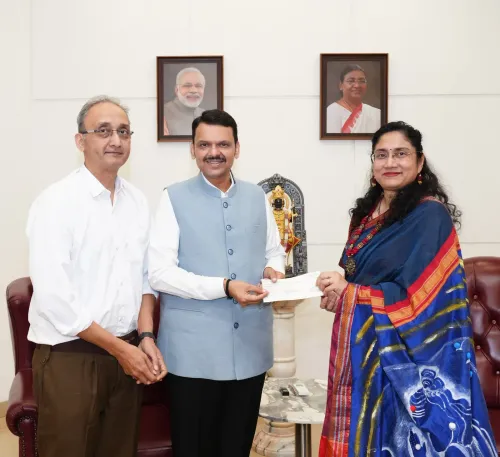
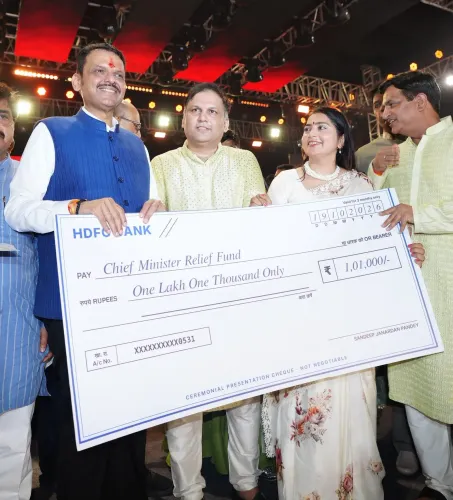
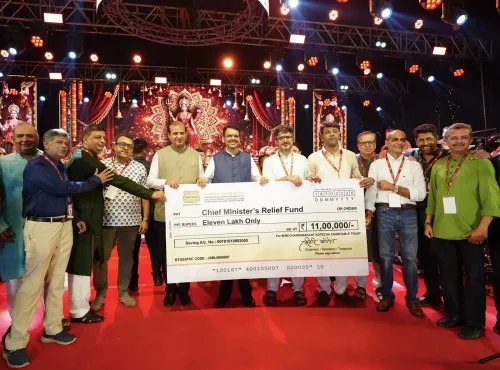
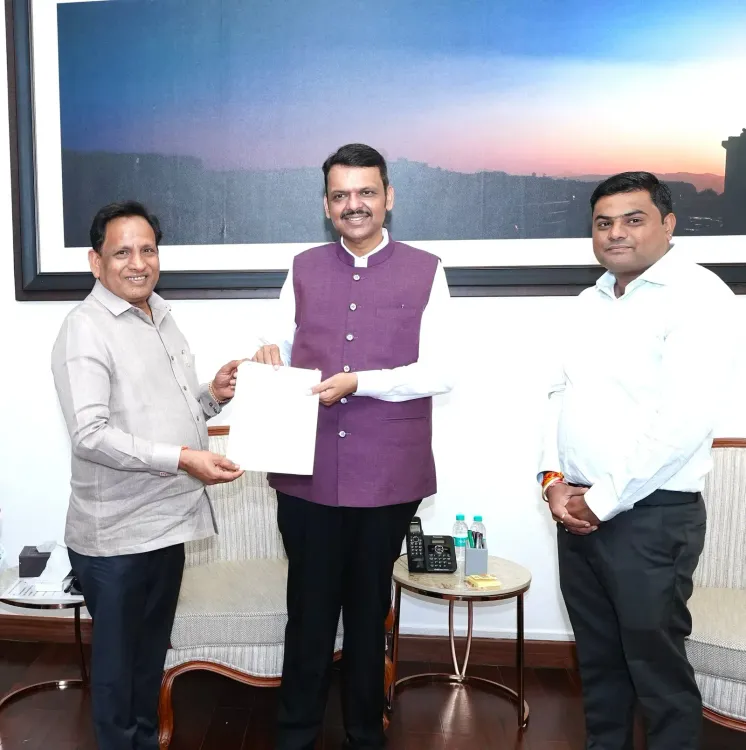
Mahesh Agarwal of Regency Nirman Limited presented Maharashtra CM Devendra Fadnavis a ₹50 lakh cheque in Mumbai on 9 November 2026, directed to the Chief Minister's Relief Fund for drought-affected farmers across the state.
Key Takeaways
₹50,00,000 donated to the Chief Minister's Relief Fund for drought-affected farmers in Maharashtra.
Donation made by Mahesh Agarwal on behalf of Regency Nirman Limited at a ceremony in Mumbai .
CM Devendra Fadnavis personally acknowledged and thanked the donor.
The CM Relief Fund serves as Maharashtra's fast-response mechanism for natural calamity relief, bypassing slower legislative budget cycles.
Drought-prone Marathwada and Vidarbha regions are the primary beneficiaries of such relief contributions.
The Jalyukt Shivar Abhiyan (launched 2015 ) remains the state's structural drought-mitigation effort alongside emergency fund contributions.
Fifty lakh rupees for farmers who watched their crops wither — that is the cheque Mahesh Agarwal of Regency Nirman Limited handed to Maharashtra Chief Minister Devendra Fadnavis in Mumbai on Monday, 9 November 2026, directing every rupee to the Chief Minister's Relief Fund for drought-affected cultivators across the state.
The Chief Minister's Office confirmed the donation and noted that CM Fadnavis personally thanked Agarwal for the contribution. The gesture channels private capital into a state mechanism designed for exactly this kind of crisis: fast-moving, targeted relief when the rains fail and the harvest does not come.
What the CM Relief Fund does for drought victims
The Chief Minister's Relief Fund is Maharashtra's first-response instrument during natural calamities, including drought declarations. Unlike long-cycle budget allocations, the fund allows the state to move money quickly — to immediate input subsidies, emergency drinking water supply, and direct farmer support — without waiting for legislative approvals. Corporate and individual donations to the fund have been a recurring feature of past drought episodes, supplementing state and central government outlays.
Maharashtra's drought geography is well-mapped: the rain-shadow districts of Marathwada and Vidarbha bear the heaviest burden, season after season. Monsoon variability in these regions has made the CM Relief Fund not just a contingency tool but an almost annual necessity for a large share of the state's farming communities.
Corporate giving as part of a broader drought response
The ₹50 lakh donation from Regency Nirman Limited adds to a tradition of private-sector contributions that have flowed into state relief mechanisms during agricultural distress. These cheques do not replace government action — but they extend its reach, particularly in the gap between a drought declaration and the disbursement of formal relief packages.
The state's longer-term drought-mitigation architecture includes the Jalyukt Shivar Abhiyan, launched in 2015, which focused on water conservation at the village level to reduce structural dependence on seasonal rains. That programme built thousands of water storage and soil conservation works across drought-prone talukas, but chronic rainfall deficits continue to press the relief fund into service.
With the donation now formally acknowledged by the Chief Minister's Office, the watch is on how quickly the funds reach farmers in distress — and whether further relief announcements from the state government follow.
Point of View
Publicly acknowledging corporate donors to the Relief Fund serves a dual purpose — it signals administrative responsiveness to agrarian distress while incentivising further private giving. The pattern also reflects the structural vulnerability of Marathwada and Vidarbha, where monsoon unpredictability has made the CM Relief Fund an almost annual instrument rather than a true emergency reserve. The critical question going forward is whether these contributions accelerate disbursement to farmers on the ground, or remain visible gestures in a slow-moving relief pipeline.
NationPress
10 Nov 2026
Frequently Asked Questions
What is the Maharashtra Chief Minister's Relief Fund?
The Chief Minister's Relief Fund is a state-level fund that provides immediate financial assistance to people affected by natural calamities such as droughts, floods, and other disasters in Maharashtra, allowing faster disbursement than regular budget allocations.
Who donated ₹50 lakh to CM Fadnavis for drought farmers?
Mahesh Agarwal, representing Regency Nirman Limited, presented the ₹50 lakh cheque to Chief Minister Devendra Fadnavis in Mumbai on 9 November 2026 for drought-affected farmers.
Which regions of Maharashtra are most affected by drought?
Marathwada and Vidarbha are the most chronically drought-prone regions of Maharashtra, regularly affected by monsoon variability and dependent on state relief measures.
What is the Jalyukt Shivar Abhiyan?
Jalyukt Shivar Abhiyan is a water conservation programme launched in Maharashtra in 2015 to address structural drought conditions by building water storage and soil conservation works across drought-prone villages.
How can individuals or companies donate to the Maharashtra CM Relief Fund?
Individuals and companies can contribute to the Maharashtra Chief Minister's Relief Fund through official government channels; such donations have been a recurring feature during drought and other calamity declarations in the state.