CM Fadnavis Reviews MMRDA Tunnel and Sea Link Plans for Mumbai
Synopsis
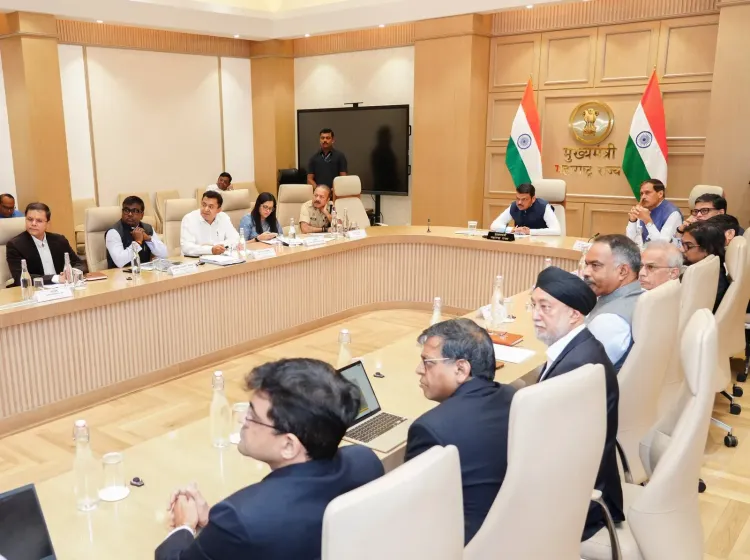
Chief Minister Devendra Fadnavis chaired an MMRDA meeting at Varsha, Mumbai, reviewing a proposed 31-km integrated tunnel linking BKC, Dharavi, the airport and both expressways, alongside two alignment options for the Bhayandar-Virar sea bridge connecting Mumbai to Vadhvan Port.
Key Takeaways
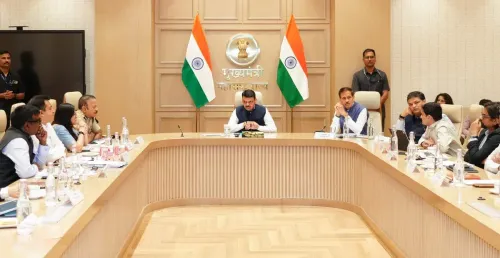
CM Devendra Fadnavis chaired an MMRDA infrastructure review at Varsha , Mumbai, on 19 November 2026 .
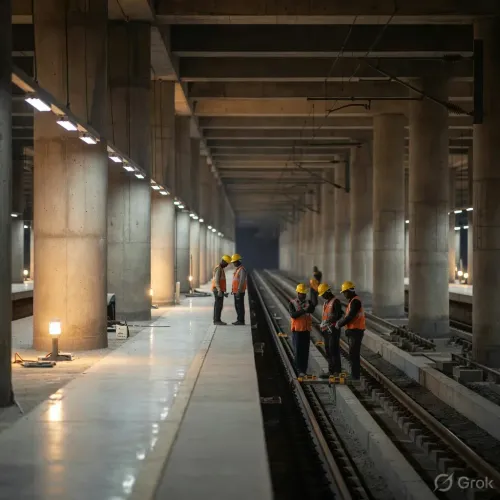
A proposed integrated tunnel road system of approximately 31 km (one direction) would link Bandra-Worli Sea Link, BKC Bullet Train station, Dharavi, Mumbai Airport T2, and both expressways.
The tunnel would give BKC and the airport direct connectivity to both the Eastern and Western Express Highways.
The Bhayandar/Uttan-to-Virar sea bridge , already approved, was reviewed with two alignment options for the Mumbai-Vadhvan corridor.
Both projects are designed to strengthen the MMR ring-road network and significantly cut commute times across the metropolitan region.
A 31-kilometre integrated tunnel road system that would stitch together Bandra-Worli Sea Link, the Bandra-Kurla Complex, Chhatrapati Shivaji Maharaj International Airport's Terminal 2, and both the Eastern and Western Express Highways in one continuous corridor — that is the centrepiece of a sweeping infrastructure review chaired by Maharashtra Chief Minister Devendra Fadnavis at his official residence Varsha in Mumbai on Thursday, 19 November 2026. The Mumbai Metropolitan Region Development Authority (MMRDA) presented the revised blueprints at the meeting, signalling a sharp acceleration in the state's most ambitious urban mobility push in years.
What the 31-km tunnel corridor would actually connect
The scale of the proposed tunnel network is striking. According to the presentation made before CM Fadnavis, a single directional length of the tunnel runs approximately 31 kilometres — making it one of the longest urban road tunnels proposed in India. Entry and exit points are planned at Bandra-Worli Sea Link, the Bullet Train station at BKC, Dharavi, Bandra-Kurla Complex, Mumbai Airport, the Western Express Highway, and the Eastern Express Highway.
The practical upshot: a commuter could travel between the airport and BKC, or between the two express highways, without a single surface signal. For a city where the drive from the Eastern to the Western corridor can consume an hour on a bad afternoon, that is a transformative proposition.
The Bhayandar-Virar sea link's two alignment options
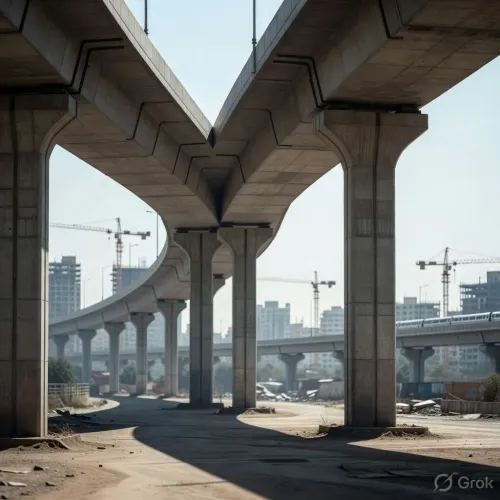
Alongside the tunnel, the meeting reviewed the Bhayandar/Uttan-to-Virar sea bridge — the coastal link that would connect Mumbai to the upcoming Vadhvan Port via a northern maritime corridor. This project has already received prior state approval. MMRDA presented two alignment alternatives for the route, and both were discussed at the review; a final alignment decision is expected to follow.
Taken together, the two proposals are designed to significantly strengthen the MMR ring-road network, giving the region a continuous loop that reduces dependence on the city's chronically overloaded arterial roads.
Mumbai's long road toward a connected ring
Maharashtra governments have been chasing a functional ring-road vision for the Mumbai Metropolitan Region for well over a decade. The Bandra-Worli Sea Link, which opened in 2009, was an early proof of concept for sea-and-road integration. State approvals for the Mumbai Coastal Road project followed between 2015 and 2018, extending that logic northward. The current tunnel-and-sea-link package represents the most integrated iteration of that vision yet — an attempt to bind suburbs, business districts, the airport, and port logistics into a single multimodal frame.
MMRDA, as the nodal planning authority for the region, has been the institutional backbone of each phase. Senior officials were present at Thursday's review, and the next critical milestones will be the selection of the sea-link alignment and the first formal tender or funding announcement for the tunnel system.
Mumbai has been promised faster commutes for a generation. If Thursday's blueprints move from presentation to procurement, the city's morning rush hour may finally have a structural answer.
Point of View
BKC, Dharavi, and both expressways — marks a qualitative step beyond earlier piecemeal corridor approvals, suggesting the Fadnavis administration is trying to deliver a consolidated mobility legacy before the next electoral cycle. The simultaneous review of the Bhayandar-Virar sea link alignment adds a port-logistics dimension, tying urban commuter relief to the Vadhvan Port's supply-chain ambitions. If the alignment decision and tunnel procurement move on a compressed timeline, Maharashtra could position itself as the reference model for integrated urban-infrastructure bundling in India. The principal risk, as with every MMRDA mega-project, remains the gap between presentation and ground-breaking.
NationPress
19 Nov 2026
Frequently Asked Questions
What is the MMRDA integrated tunnel project in Mumbai?
It is a proposed underground road system approximately 31 kilometres long (in one direction) that would connect Bandra-Worli Sea Link, BKC, Dharavi, Mumbai Airport Terminal 2, and both the Eastern and Western Express Highways through a continuous tunnel with multiple entry and exit points.
What did CM Devendra Fadnavis review at the MMRDA meeting on 19 November 2026?
CM Devendra Fadnavis reviewed two major proposals at Varsha : the integrated tunnel road network connecting key Mumbai nodes, and two alignment options for the Bhayandar/Uttan-to-Virar sea bridge that would link Mumbai to the Vadhvan Port corridor.
What is the Bhayandar-Virar sea bridge project?
The Bhayandar/Uttan-to-Virar sea bridge is an already-approved coastal link that would form part of the Mumbai-Vadhvan connectivity corridor. MMRDA presented two alignment options for the route at Thursday's review.
How will the tunnel project benefit Mumbai commuters?
The tunnel would allow direct, signal-free travel between the airport, BKC, Dharavi, and both express highways, significantly cutting commute times across the Mumbai Metropolitan Region and reinforcing the city's planned ring-road network.
What is MMRDA and what is its role in Mumbai infrastructure?
The Mumbai Metropolitan Region Development Authority (MMRDA) is the nodal planning and execution agency for transport and urban infrastructure across the Mumbai Metropolitan Region. It has led major projects including the Bandra-Worli Sea Link, the Coastal Road, and metro rail expansions.