CM Fadnavis Reviews PMAY-Urban Housing Push in Maharashtra
Synopsis
Maharashtra CM Devendra Fadnavis chaired a housing review in Mumbai on July 30, directing officials to accelerate delivery of 160,463 PMAY-Urban sanctioned homes and launch an integrated portal consolidating stock from MHADA, CIDCO, MMRDA, BMC and SRA for faster, transparent allocation to priority beneficiaries.
Key Takeaways
Maharashtra CM Devendra Fadnavis chaired a PMAY-Urban housing review in Mumbai on July 30, 2026 .
Under PMAY-Urban 2.0 , 160,463 houses have been sanctioned across Maharashtra. ₹675.45 crore approved as Central and State assistance under the Beneficiary-Led Construction component.
More than 35,000 homes already available with MHADA, CIDCO and SRA remain unallocated due to fragmented agency systems.
An integrated housing portal will consolidate stock from MHADA, CIDCO, MMRDA, BMC, SRA and vacant scheme units onto one platform.
Priority allocation will cover persons with disabilities, mill workers, Mathadi workers, dabbawalas and the transgender community .
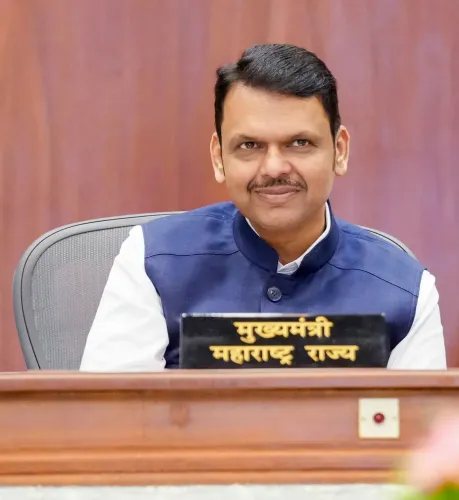
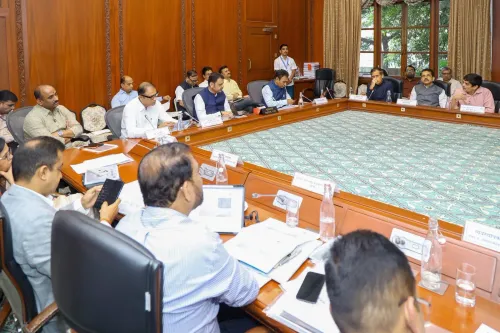
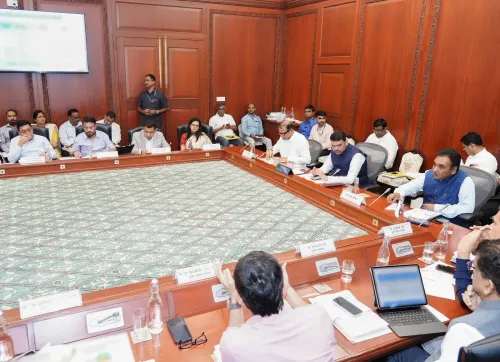
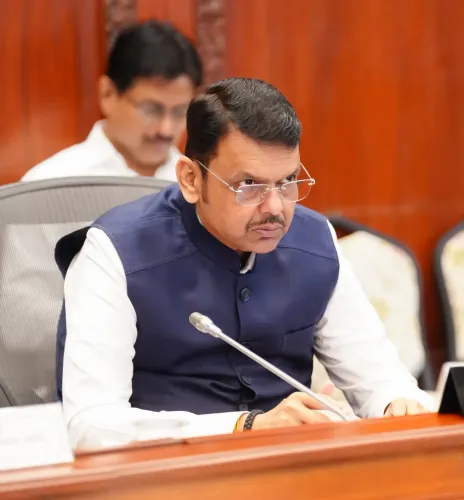
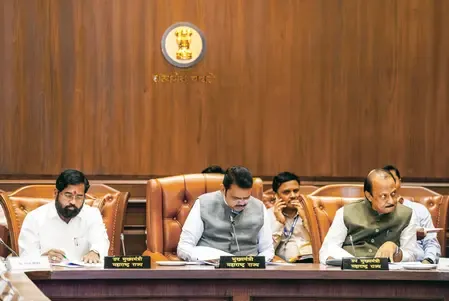
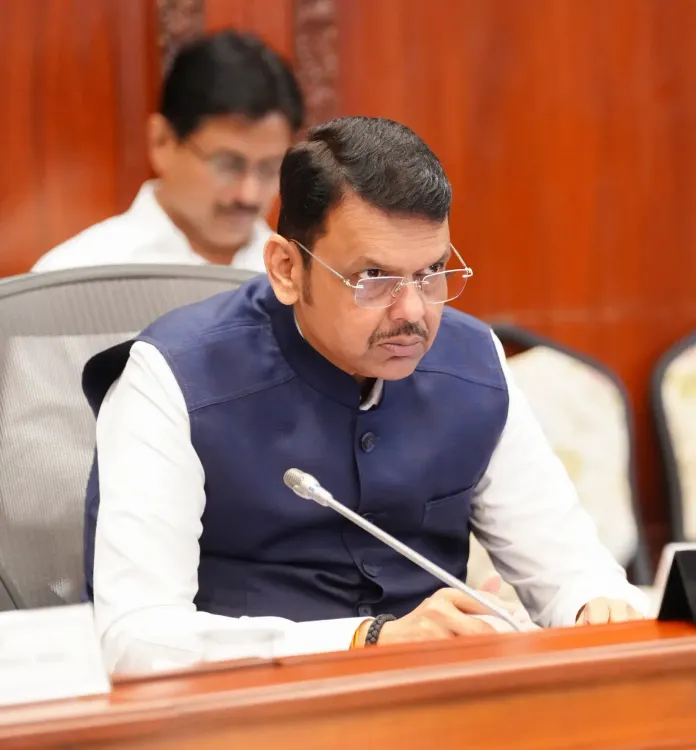
More than 160,000 sanctioned homes, a single digital portal to cut through bureaucratic fog, and a review meeting that put every housing agency in Maharashtra on notice — Maharashtra Chief Minister Devendra Fadnavis chaired a high-level housing review in Mumbai on Thursday, July 30, 2026, signalling that the state's urban housing mission is shifting from paperwork to possession.
160,463 Sanctioned Units and a ₹675 Crore Push
Under Pradhan Mantri Awas Yojana (Urban) 2.0, Maharashtra has received sanction for 160,463 houses. The scale is significant — but sanctions on paper mean nothing until keys change hands. Under the Beneficiary-Led Construction (BLC) component alone, ₹675.45 crore has been approved as combined Central and State Government assistance, funds earmarked to help individual families build or upgrade their own homes rather than wait for large agency-driven projects.
Fadnavis directed officials to accelerate project execution across the state and ensure 'timely completion and early handover of homes to beneficiaries' — language that reads as a direct rebuke of the chronic delays that have plagued urban housing delivery for years. Quality compliance, he stressed, is non-negotiable: every project must meet prescribed norms and specifications.
35,000 Ready Homes, One Portal to Find Them
Here is the sharper story inside the meeting: more than 35,000 houses are already available with agencies including MHADA, CIDCO, and the Slum Rehabilitation Authority (SRA) — yet they sit unallocated. The problem is not a shortage of homes. It is fragmentation. Each agency runs its own inventory, its own waitlists, its own allocation logic.
The CM directed the creation of an integrated housing portal that will consolidate stock from MHADA, CIDCO, MMRDA, BMC, SRA, and vacant units under Central and State schemes onto a single platform. The goal: faster, more transparent distribution — and far less room for leakage or queue-jumping.
Mill Workers, Dabbawalas, and the Transgender Community in the Priority Frame
What sets this announcement apart is who gets named as priority beneficiaries. The integrated portal will specifically facilitate allocation for persons with disabilities, mill workers, Mathadi workers, dabbawalas, and members of the transgender community — occupational and social groups that have historically fallen through the cracks of both market housing and government schemes.
Naming these groups explicitly in a government directive is a policy signal: the state is attempting to move beyond generic 'urban poor' targeting toward category-specific reservation within the housing queue. Minister of State Dr. Pankaj Bhoyar and senior officials were present at the review.
The integrated portal's launch timeline and the first beneficiary lists it generates will be the real test of whether Thursday's directives translate into doorsteps — or remain another well-intentioned review on the record.
Point of View
The state creates a single point of failure it can no longer hide behind. The explicit naming of dabbawalas, Mathadi workers and the transgender community as priority groups signals a deliberate attempt to broaden the BJP's welfare optics beyond its traditional base ahead of future electoral cycles. Maharashtra's PMAY-Urban execution has historically lagged sanction numbers; the CM's public emphasis on quality compliance and timely handover suggests awareness that the gap between sanctions and possession has become a political liability. Whether the portal becomes a genuine transparency tool or another digital facade will depend entirely on whether beneficiary lists are made publicly searchable.
NationPress
31 Jul 2026
Frequently Asked Questions
How many houses have been sanctioned under PMAY Urban in Maharashtra?
Under Pradhan Mantri Awas Yojana (Urban) 2.0, a total of 160,463 houses have been sanctioned across Maharashtra, as announced at CM Fadnavis's review meeting on July 30, 2026.
What is the integrated housing portal announced by CM Fadnavis?
The integrated housing portal will consolidate available housing stock from MHADA, CIDCO, MMRDA, BMC, SRA and vacant Central and State scheme units onto a single platform to enable faster and more transparent allocation to eligible beneficiaries.
Who are the priority beneficiaries for Maharashtra's housing scheme allocation?
Priority beneficiaries named by CM Fadnavis include persons with disabilities, mill workers, Mathadi workers, dabbawalas and members of the transgender community , alongside other eligible urban poor families.
What is the BLC component under PMAY Urban and how much has Maharashtra received?
The Beneficiary-Led Construction (BLC) component allows individual families to build or upgrade their own homes with government support. Maharashtra has received ₹675.45 crore in approved Central and State assistance under this component.
How many homes are currently available but unallocated in Maharashtra?
More than 35,000 houses are currently available with agencies including MHADA, CIDCO and SRA but remain unallocated, which is why CM Fadnavis directed the creation of an integrated mechanism to streamline their distribution.