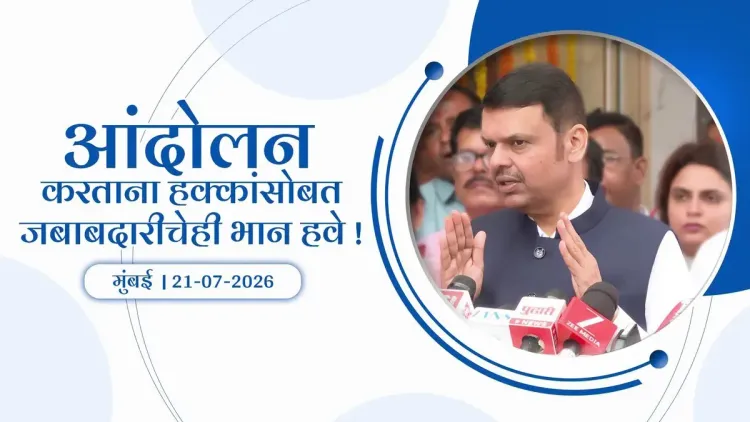
CM Fadnavis: Rights Come With Responsibilities in Protests
Synopsis
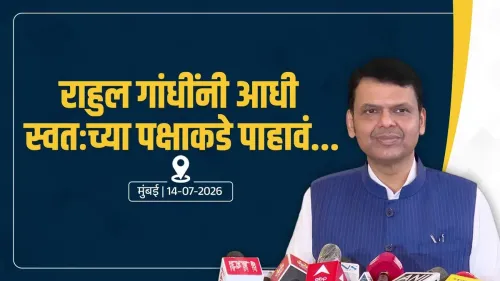
Maharashtra Chief Minister Devendra Fadnavis on 21 July 2026 posted a bilingual Marathi-Hindi statement from Mumbai urging citizens engaged in agitations to remain mindful of both their constitutional rights and duties, invoking the fundamental rights-duties framework of the Indian Constitution.
Key Takeaways
Devendra Fadnavis , Chief Minister of Maharashtra, issued a public statement on 21 July 2026 from Mumbai on the rights-duties balance during protests.
The post was written in both Marathi and Hindi , targeting a bilingual audience across Maharashtra.
Fadnavis invoked the Constitution of India , which guarantees the right to peaceful assembly under Article 19(1)(b) subject to reasonable restrictions.
The 42nd Constitutional Amendment (1976) introduced Fundamental Duties under Article 51A , which Fadnavis implicitly referenced by pairing rights with responsibilities.
Law and order being a state subject , the Maharashtra government holds primary authority over the management of public demonstrations.
Opposition party responses and any follow-up government directives on handling agitations in Mumbai will be key indicators of the statement's political weight.
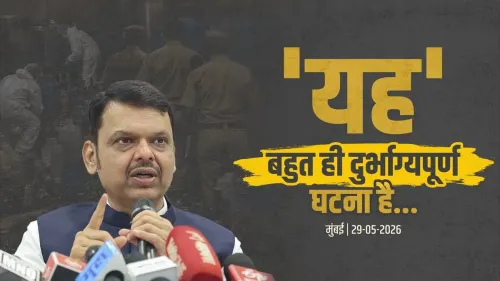
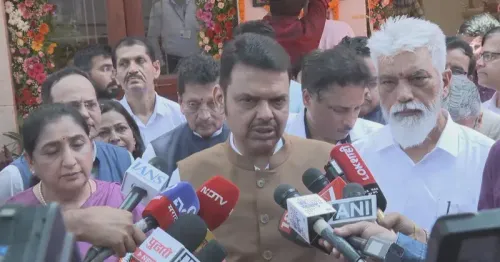
Maharashtra Chief Minister Devendra Fadnavis on Tuesday, 21 July 2026, issued a public statement from Mumbai reminding citizens that exercising the right to protest under the Constitution must be accompanied by an equal awareness of constitutional responsibilities. The statement, posted on his official X account, addressed those engaged in agitations across the state, underscoring that democratic freedoms are not absolute but are paired with duties enshrined in the foundational law of the land.
What Fadnavis Said
Posting in both Marathi and Hindi, Fadnavis wrote: 'लोकशाहीत आंदोलन करताना संविधानाने दिलेले हक्क आणि जबाबदाऱ्यांचेही भान ठेवणे आवश्यक आहे.' ('In a democracy, while agitating, it is necessary to be mindful of both the rights and the responsibilities given by the Constitution.') The Hindi portion of the post conveyed the identical message, suggesting the statement was deliberately bilingual to reach a broader Maharashtra audience that includes both Marathi and Hindi speakers.
The post carried the hashtags #Maharashtra and #Mumbai, anchoring the remark to the state capital and to statewide concerns rather than any single locality.
Constitutional Context
The Constitution of India, adopted on 26 November 1949 and enforced from 26 January 1950, guarantees fundamental rights under Part III, including the right to assemble peacefully and without arms under Article 19(1)(b). These rights are, however, subject to reasonable restrictions in the interest of public order, sovereignty, and security of the state.
The 42nd Constitutional Amendment of 1976 inserted Article 51A, listing Fundamental Duties — obligations on every citizen to uphold the Constitution, preserve public order, and protect the dignity of national institutions. Fadnavis's statement draws a direct line between this rights-duties framework and the conduct of public agitations.
Policy Backdrop and State Authority
Law and order is a State List subject under the Seventh Schedule of the Constitution, making Maharashtra's government the primary authority responsible for managing public demonstrations in Mumbai and across the state. As Chief Minister, Fadnavis heads the state's executive machinery and is constitutionally accountable for maintaining public order.
Indian state leaders have periodically issued similar reminders during periods of heightened citizen mobilisation, framing such statements as calls for responsible democratic participation rather than as moves to curb dissent. The bilingual framing of this post — in both Marathi and Hindi — reflects an intent to communicate across linguistic communities within Maharashtra.
Stakeholders and Impact
The statement is directed at protesters and citizens engaged in agitations in Mumbai and Maharashtra more broadly. Opposition parties are likely to scrutinise the remark for any suggestion that the state government is seeking to limit the right to protest, while the ruling dispensation will frame it as a call for constitutionally responsible civic conduct.
The invocation of Fundamental Duties alongside Fundamental Rights is a recurring theme in governance discourse at both the state and national levels, reflecting a broader policy emphasis on citizen obligations as a complement to state-guaranteed freedoms.
What to Watch
Responses from opposition parties in Maharashtra will indicate how the statement is being read on the ground — as a governance advisory or as political signalling ahead of any administrative action on ongoing agitations. Any follow-up directives from the Maharashtra government to law enforcement agencies regarding the handling of public demonstrations in Mumbai will be the next significant development to track.
Point of View
Law-anchored tone rather than an overtly confrontational one. By invoking both Fundamental Rights and Fundamental Duties — a pairing enshrined in the Constitution — the Chief Minister positions any potential administrative action against agitations within a constitutional rather than a purely political frame. This is consistent with a broader pattern among ruling-party chief ministers of using constitutional language to pre-empt criticism of law-enforcement responses to protests. The choice to post in both Marathi and Hindi signals an intent to speak to Maharashtra's full demographic, not just one linguistic community.
NationPress
21 Jul 2026
Frequently Asked Questions
What did Maharashtra CM Devendra Fadnavis say about protests?
On 21 July 2026, Fadnavis posted a bilingual statement on X stating that citizens must be mindful of both the rights and responsibilities granted by the Constitution while participating in agitations in a democracy.
What are Fundamental Duties in the Indian Constitution?
Fundamental Duties are listed under Article 51A of the Constitution, inserted by the 42nd Amendment in 1976. They include obligations on every citizen to uphold the Constitution, maintain public order, and protect national institutions — complementing the Fundamental Rights in Part III.
Does the Indian Constitution allow protests?
Yes. Article 19(1)(b) of the Constitution guarantees the right to assemble peacefully and without arms. However, this right is subject to reasonable restrictions in the interest of public order and the sovereignty of India.
Why did Fadnavis post in both Marathi and Hindi?
Maharashtra has a large population of both Marathi and Hindi speakers. Posting in both languages allowed Fadnavis to address the widest possible audience across the state with a consistent message on constitutional conduct during protests.
Who is responsible for law and order in Maharashtra?
Law and order is a State List subject under the Seventh Schedule of the Indian Constitution, making the Maharashtra state government — headed by Chief Minister Devendra Fadnavis — the primary authority responsible for managing public demonstrations and maintaining public order.