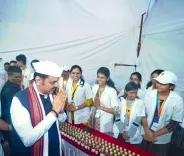
CM Fadnavis seeks blessings at Vitthal-Rukmini Temple in Pune
Synopsis
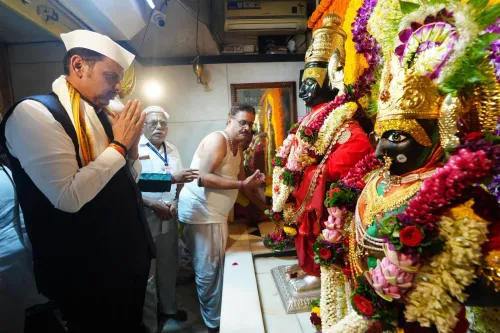
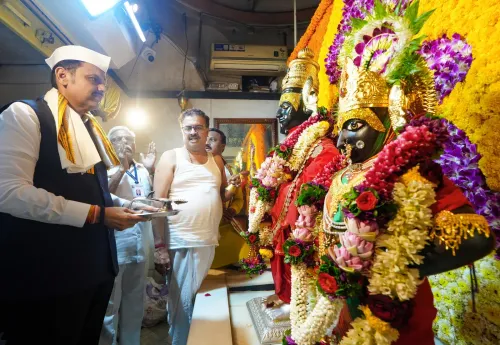
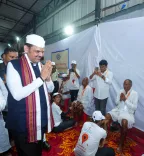
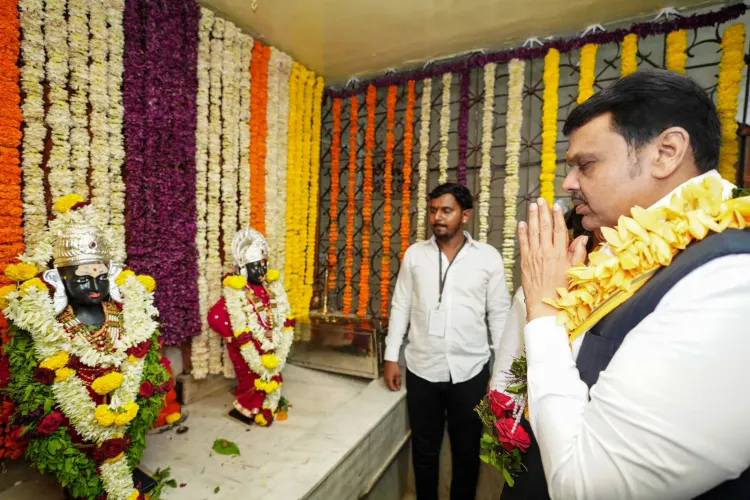
Maharashtra Chief Minister Devendra Fadnavis offered prayers at the Shri Vitthal-Rukmini Temple in Bhavani Peth, Pune on 10 July 2026, invoking blessings of Vithu Mauli and Rakhumai for the well-being of all, in alignment with Maharashtra's deep-rooted Warkari devotional tradition.
Key Takeaways
Devendra Fadnavis , Chief Minister of Maharashtra, visited the Shri Vitthal-Rukmini Temple in Bhavani Peth, Pune on 10 July 2026 .
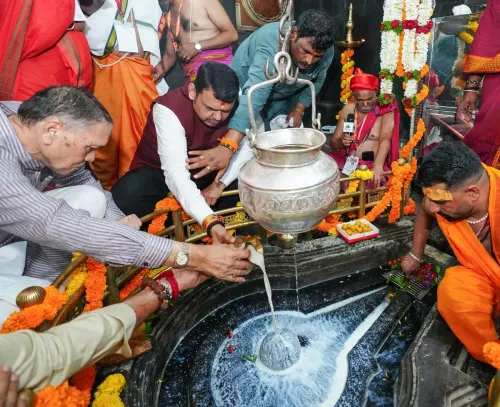
He offered prayers to Vitthal (Vithu Mauli) and Rukmini (Rakhumai), seeking blessings for the happiness and prosperity of all.
The visit was shared in three languages — English, Marathi, and Hindi — reflecting broad public outreach.
The temple is part of Maharashtra's Warkari Vaishnava tradition, associated with saints Dnyaneshwar and Tukaram .
The visit aligns with a broader pattern of Maharashtra's political leaders engaging with the state's devotional heritage.
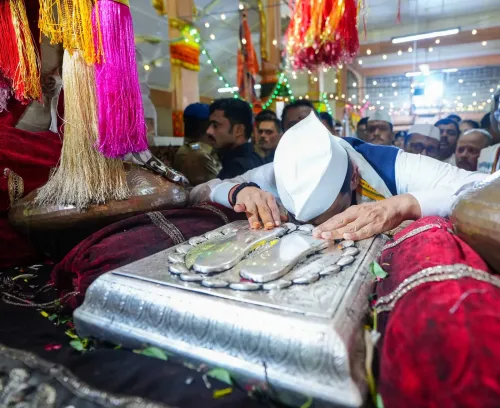
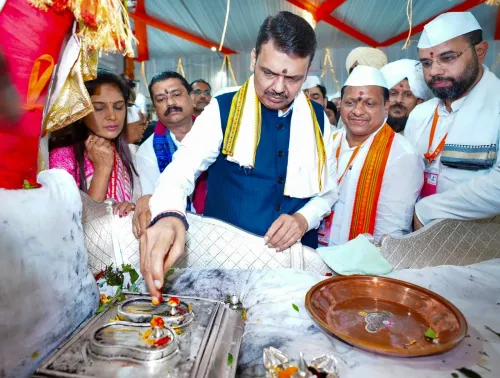
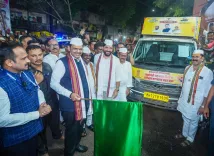
Maharashtra Chief Minister Devendra Fadnavis visited the Shri Vitthal-Rukmini Temple in Bhavani Peth, Pune, on the night of 10 July 2026, offering prayers to Vitthal (Vithu Mauli) and Rukmini (Rakhumai) and seeking their blessings for the happiness and prosperity of all.
Context
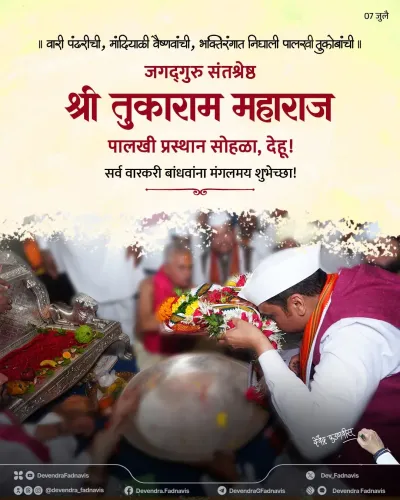
Posting at 10 pm on 10 July 2026, Fadnavis shared the visit across three languages — English, Marathi, and Hindi — reflecting the multilingual character of his public communication. His post opened with the devotional invocation 'Vitthal... Vitthal... Jai Hari Vitthal!' ('Victory to Lord Vitthal!'), a salutation deeply embedded in Maharashtra's Warkari tradition.
The Shri Vitthal-Rukmini Temple in Bhavani Peth is one of Pune's established Vaishnava shrines. Bhavani Peth is a historic locality in the heart of Pune city, home to several temples and religious sites that have served the city's residents for generations.
Policy Backdrop
Vitthal, a form of Lord Vishnu, is the presiding deity of the Warkari devotional movement — one of the most socially inclusive spiritual traditions in Maharashtra, associated with poet-saints such as Dnyaneshwar and Tukaram. The annual Pandharpur Wari pilgrimage, which draws millions of devotees to the main Vitthal temple in Pandharpur, is the movement's most visible expression.
Maharashtra governments across party lines have historically engaged with Warkari heritage, with periodic state announcements on pilgrim infrastructure, road connectivity to Pandharpur, and conservation of heritage temples. The current administration has continued this pattern, recognising the tradition's deep cultural and electoral resonance across the state.
Stakeholders and Impact
The visit carries symbolic weight for Maharashtra's large community of Vitthal devotees, who span caste and class lines and are particularly concentrated in Pune, Nashik, Solapur, and Marathwada. For Pune residents, a sitting Chief Minister's late-evening temple visit to a neighbourhood shrine underlines the city's continued religious and cultural prominence.
Indian political leaders across parties routinely undertake temple visits as expressions of personal faith and cultural participation. In Maharashtra's political context, alignment with Warkari devotional sentiment carries broad public resonance beyond any single community.
What's Next
Attention will turn to any state-level announcements tied to the Warkari calendar, including pilgrim infrastructure upgrades ahead of the annual Pandharpur Wari. Heritage temple conservation initiatives in Pune and across Maharashtra may also see fresh policy focus in the months ahead. Fadnavis's visible engagement with the state's devotional culture signals continued government attention to Maharashtra's religious heritage.
Point of View
Shared simultaneously in English, Marathi, and Hindi, is a deliberate act of cultural signalling that speaks to Maharashtra's multilingual electorate. The Warkari tradition — cutting across caste and region — represents one of the most politically significant devotional movements in the state, and a Chief Minister's visible alignment with it carries weight beyond personal piety. The trilingual post also reflects a studied effort to reach Marathi, Hindi-speaking, and English-reading audiences in a single communication. Taken together with the state's ongoing interest in pilgrim infrastructure and temple heritage, the visit fits a consistent pattern of the ruling dispensation anchoring governance optics in Maharashtra's deep cultural roots.
NationPress
11 Jul 2026
Frequently Asked Questions
Which temple did CM Devendra Fadnavis visit in Pune?
CM Devendra Fadnavis visited the Shri Vitthal-Rukmini Temple in Bhavani Peth, Pune on 10 July 2026, offering prayers to Vitthal and Rukmini.
Who are Vitthal and Rukmini in Maharashtra's religious tradition?
Vitthal (also called Vithoba or Vithu Mauli) is a form of Lord Vishnu worshipped widely in Maharashtra, and Rukmini (Rakhumai) is his consort. They are the presiding deities of the Warkari devotional movement centred at Pandharpur.
What is the Warkari tradition in Maharashtra?
The Warkari tradition is a Vaishnava devotional movement in Maharashtra associated with poet-saints such as Dnyaneshwar and Tukaram. Its followers undertake the annual Pandharpur Wari pilgrimage to the Vitthal temple, and the movement is known for its social inclusiveness across caste lines.
Where is Bhavani Peth in Pune?
Bhavani Peth is a historic locality in the heart of Pune city, Maharashtra, known for its temples and religious sites including the Vitthal-Rukmini Temple visited by CM Fadnavis.
Why do Maharashtra politicians visit Vitthal temples?
Vitthal worship and the Warkari tradition hold deep cultural and social significance across Maharashtra, cutting across caste and community lines. Political leaders across parties engage with this tradition as an expression of cultural participation and to connect with a large and diverse devotee base.