CM Fadnavis Spotlights Ambarnath Shiv Temple in Shravan Campaign

Synopsis
Maharashtra CM Devendra Fadnavis promoted the ancient Ambarnath Shiva temple in Thane — a Shilahara-era architectural gem — during Shravan 2026 under his Maharashtra chi Shivdhara cultural campaign, calling on youth to preserve the state's religious and historical heritage.
Key Takeaways
CM Devendra Fadnavis posted on 19 August 2026 spotlighting the Ambarnath Shiva temple in Thane district.
The temple was built during the Shilahara dynasty , a coastal ruling clan active between the 9th and 13th centuries .
The post is part of the Maharashtra chi Shivdhara campaign, timed to the sacred month of Shravan .
Fadnavis explicitly linked youth engagement to the long-term preservation of Maharashtra's religious and architectural heritage.
The campaign uses #MaharashtraTourism hashtags, signalling a state-level push to drive pilgrimage and heritage tourism to lesser-known Shiva temples.
Ambarnath is approximately 55 km east of Mumbai , making the temple an accessible destination for urban visitors.
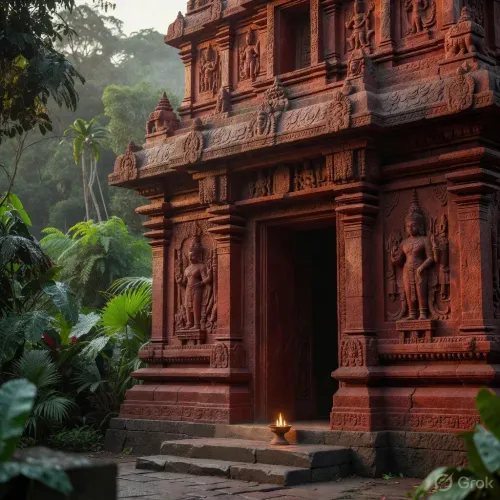
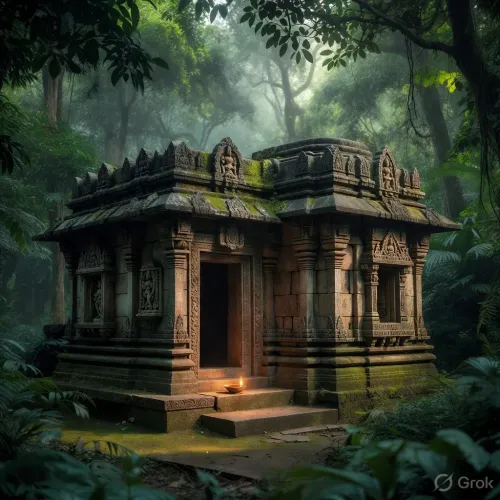
A thousand-year-old stone temple in Thane district is getting a fresh spotlight this monsoon season. Maharashtra Chief Minister Devendra Fadnavis on Wednesday, 19 August 2026, shared an image of the ancient Ambarnath Shiva temple — built during the Shilahara dynasty — as part of his Maharashtra chi Shivdhara (Maharashtra's Shiva Stream) cultural campaign, urging the state's youth to reconnect with their religious and architectural heritage during the sacred month of Shravan.
Posting in Marathi, the Chief Minister wrote: 'Our cultural and architectural glory — the ancient Ambarnath Shiva temple in Thane, built during the Shilahara dynasty! When the youth connect with our culture, this religious and historical heritage will be preserved!'
A Shilahara Gem Standing Since the 11th Century
The Ambarnath Shiva temple, located in Ambarnath, Thane district, is one of Maharashtra's finest examples of early medieval stone temple architecture. Built during the reign of the Shilahara dynasty — a coastal ruling clan that held sway over parts of the Konkan and western Deccan between roughly the 9th and 13th centuries — the temple is celebrated for its intricately carved black basalt facade and Hemadpanthi-influenced structural style. It predates many more famous heritage sites in the region and remains an active place of worship.
The Shravan month — the fifth month of the Hindu lunar calendar, falling across July–August — draws millions of Shiva devotees to temples across Maharashtra. The timing of Fadnavis's post squarely targets this peak pilgrimage window, linking cultural pride to active religious practice.
Maharashtra chi Shivdhara: Tourism Meets Heritage Revival
The hashtag #MaharashtrachiShivDhara and the accompanying #MaharashtraTourism tags suggest this is part of a coordinated state effort to profile lesser-known Shiva temples across Maharashtra during Shravan 2026 — drawing domestic pilgrims and heritage travellers toward sites beyond the well-worn Jyotirlinga circuit. By centering the campaign on youth engagement, the Chief Minister frames heritage preservation not as a government archival exercise but as a living cultural identity project.
For a state that hosts two of the twelve Jyotirlingas — Trimbakeshwar and Bhimashankar — and dozens of historically significant Shaivite shrines, a curated digital campaign during Shravan is a low-cost, high-visibility tool to drive footfall to underrepresented sites like Ambarnath.
The Ambarnath temple's relative proximity to Mumbai — roughly 55 kilometres east of the city — makes it an accessible weekend destination, and a social media push from the Chief Minister's verified handle is likely to translate directly into visitor interest.
Point of View
Electoral, and civilisational-pride narratives. By foregrounding the Shilahara dynasty, Fadnavis subtly underscores Maharashtra's pre-Mughal Hindu architectural continuity, a recurring motif in the party's cultural outreach. Targeting youth in the framing is politically astute: it positions heritage not as nostalgia but as identity — harder to dismiss and stickier as a message. The Shravan window amplifies organic reach without requiring advertising spend.
NationPress
19 Aug 2026
Frequently Asked Questions
Where is the Ambarnath Shiva temple located?
The Ambarnath Shiva temple is located in Ambarnath , Thane district , Maharashtra, approximately 55 kilometres east of Mumbai.
Who built the Ambarnath Shiva temple?
The temple was built during the Shilahara dynasty , a medieval ruling clan that governed parts of the Konkan coast and western Deccan between roughly the 9th and 13th centuries CE .
What is Maharashtra chi Shivdhara?
Maharashtra chi Shivdhara (Maharashtra's Shiva Stream) is a cultural campaign promoted by CM Devendra Fadnavis during Shravan 2026 to highlight Maharashtra's ancient Shiva temples and encourage youth to engage with the state's religious and architectural heritage.
Why is Shravan significant for Shiva temples in Maharashtra?
Shravan is the fifth month of the Hindu lunar calendar, falling in July–August, and is considered the most auspicious period for Shiva worship. It draws millions of devotees to temples across Maharashtra, making it the peak pilgrimage season.
Is the Ambarnath temple a protected heritage site?
The Ambarnath Shiva temple is recognised as a significant ancient monument in Maharashtra due to its Shilahara-era stone architecture and historical importance, though specific current protected status details were not confirmed in available information.