CM Fadnavis Visits Washim, Reviews Drought Relief and Water Plan
Synopsis
Maharashtra CM Devendra Fadnavis visited Jaulka in Washim, Vidarbha on September 24, 2026, to inspect drought-like conditions, review drinking water planning, and discuss relief measures — reinforcing the state's focus on farmer welfare in chronically water-stressed districts.
Key Takeaways
CM Devendra Fadnavis personally visited Jaulka, Washim district on September 24, 2026 to inspect drought-like conditions.
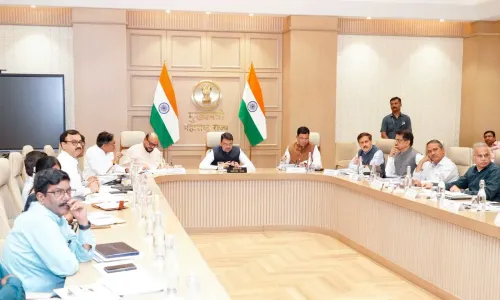
The visit covered drinking water supply planning and necessary relief interventions for affected areas.
Washim is located in the Vidarbha region, one of Maharashtra's most drought-prone belts.
The Jalyukt Shivar Abhiyan , launched in 2015 , remains the state's flagship scheme for village-level water conservation in drought-affected areas.
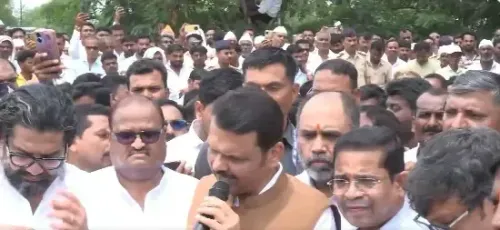
Fadnavis held a media interaction on site, signalling the administration's intent to treat the situation as a priority welfare issue.
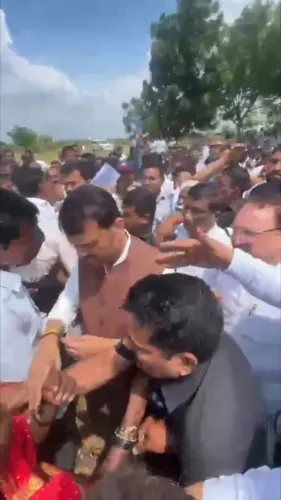
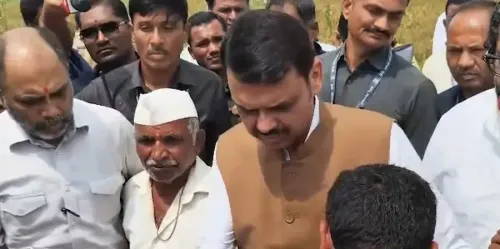
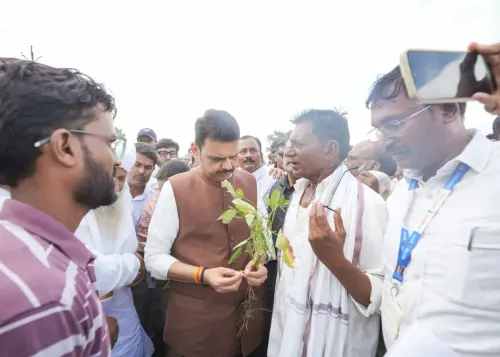
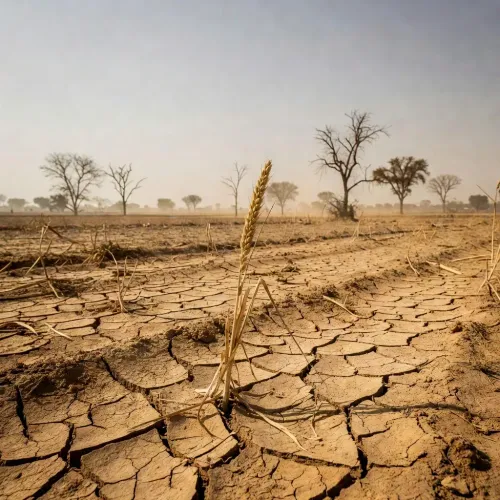
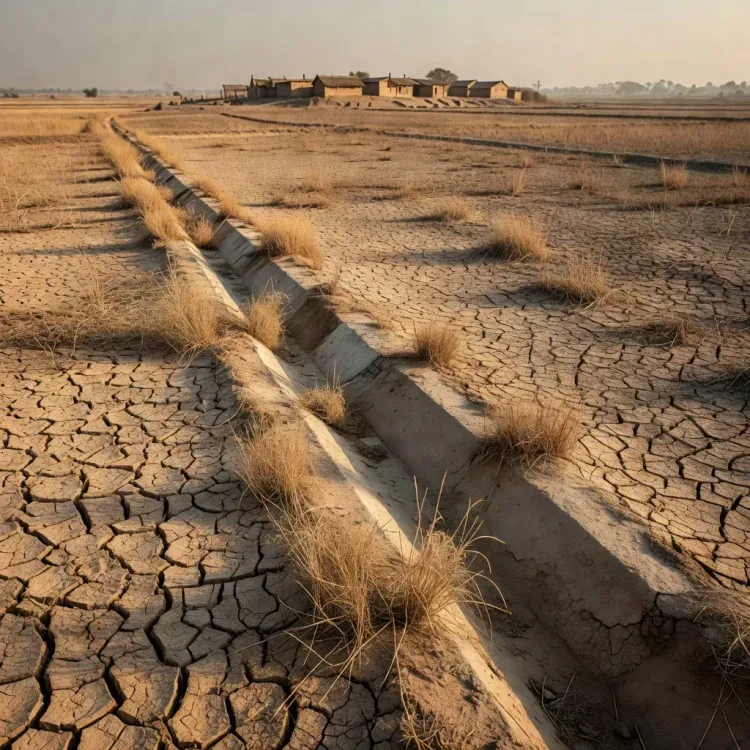
Cracked earth, anxious farmers, and a water crisis demanding urgent answers — Maharashtra Chief Minister Devendra Fadnavis travelled to Jaulka in Washim district on Thursday, September 24, 2026, to personally inspect drought-like conditions on the ground and hold a media interaction covering drinking water planning, relief measures, and farmer welfare.
What Fadnavis Saw on the Ground in Washim
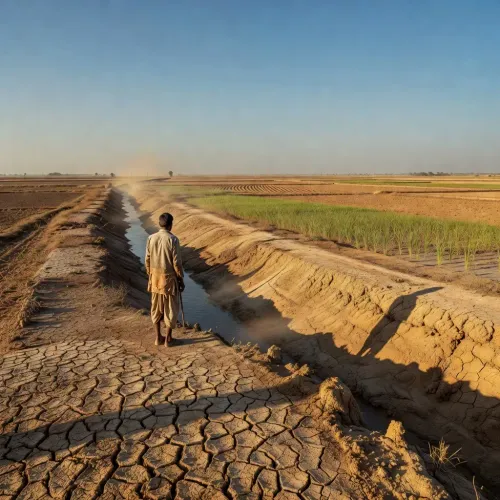
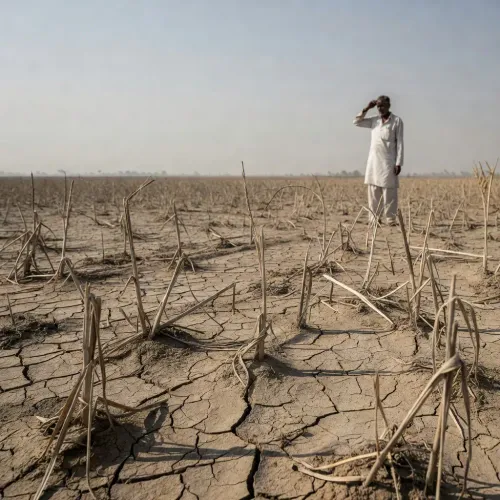
Washim, nestled in Maharashtra's chronically water-stressed Vidarbha region, is no stranger to drought. The district regularly bears the brunt of erratic monsoons, leaving farming households scrambling for drinking water well before summer even peaks. The Chief Minister's visit to Jaulka signals that this season's conditions have escalated to a point demanding top-level attention — a field inspection rather than a briefing room assessment.
Fadnavis interacted with the media on site, covering what the post described as 'दुष्काळसदृश परिस्थिती' — drought-like conditions — alongside drinking water supply planning and the suite of necessary relief interventions. The hashtags #FarmerWelfare and #Washim anchored the message squarely in rural distress territory.
Vidarbha's Drought Cycle and the Policy Response
Vidarbha and Marathwada together form Maharashtra's drought heartland — a belt where successive governments have cycled through relief packages, tank desilting drives, and water conservation schemes with mixed long-term results. The landmark Jalyukt Shivar Abhiyan, launched in 2015 under Fadnavis's first tenure as Chief Minister, was designed to break that cycle by creating permanent water conservation structures — stream deepening, bunding, check dams — to make villages drought-free over time.
That programme's legacy is now being tested again. Fadnavis-era governments have consistently paired field-level inspections with scheme-based interventions, a pattern this visit reinforces. The presence of the Chief Minister himself, rather than a district collector's report, is a signal that Washim's situation is being treated as a political and humanitarian priority, not just an administrative one.
Drinking Water Planning Takes Centre Stage
Beyond agricultural loss, the most immediate pressure in drought-like conditions is drinking water. Rural households — particularly women who bear the burden of water collection — feel the crisis before crop failure even registers. Fadnavis's stated focus on drinking water planning during the Jaulka visit points to a triage approach: stabilise households first, then address the wider agrarian distress.
The broader rollout of any relief package or water supply measures announced for Washim district will be the metric to watch in the coming weeks. Field visits by a Chief Minister tend to accelerate administrative action on the ground — the real question is whether the interventions are seasonal patches or longer-term investments in water security for Vidarbha's most vulnerable districts.
Point of View
The Chief Minister shows up in person — a visible counter to the region's long-standing perception of administrative neglect. The focus on drinking water, rather than only crop compensation, reflects a maturing of drought response policy that prioritises household survival over headline relief numbers. At the same time, the visit inevitably invites scrutiny of the Jalyukt Shivar Abhiyan's durability — a scheme Fadnavis championed in his first term and must now defend as a structural solution, not just a political legacy. How quickly concrete measures follow the inspection will determine whether this is policy leadership or optics management.
NationPress
24 Sept 2026
Frequently Asked Questions
Why did CM Devendra Fadnavis visit Washim in September 2026?
Fadnavis visited Jaulka in Washim district on September 24, 2026, to inspect drought-like conditions, review drinking water planning, and discuss relief measures for affected farmers and rural households.
Which region of Maharashtra is Washim located in?
Washim is located in the Vidarbha region of Maharashtra, one of the state's most drought-prone and agriculturally distressed areas.
What is Jalyukt Shivar Abhiyan?
Jalyukt Shivar Abhiyan is a Maharashtra government water conservation scheme launched in 2015 to create water structures like check dams and stream deepening works in villages, aimed at making them drought-free.
What relief measures are expected for Washim district?
While specific announcements are pending, the CM's visit focused on drinking water supply planning and necessary interventions for drought-like conditions — rollout details are expected from the state administration in coming weeks.
How often does Vidarbha face drought-like conditions?
Vidarbha faces recurrent drought episodes, driven by erratic monsoons, and has historically required repeated government interventions combining field inspections with scheme-based water conservation and farmer relief programmes.